
Original briefings. Zero spin.
Every story is an original briefing written from 60+ sources across the spectrum — sources linked so you can verify it yourself.
 finance
Notable (6/10)
June 18, 2026 at 10:52 PM
finance
Notable (6/10)
June 18, 2026 at 10:52 PM
Fed's Warsh Kills Forward Guidance, Splits Wall Street on Where Markets Go From Here
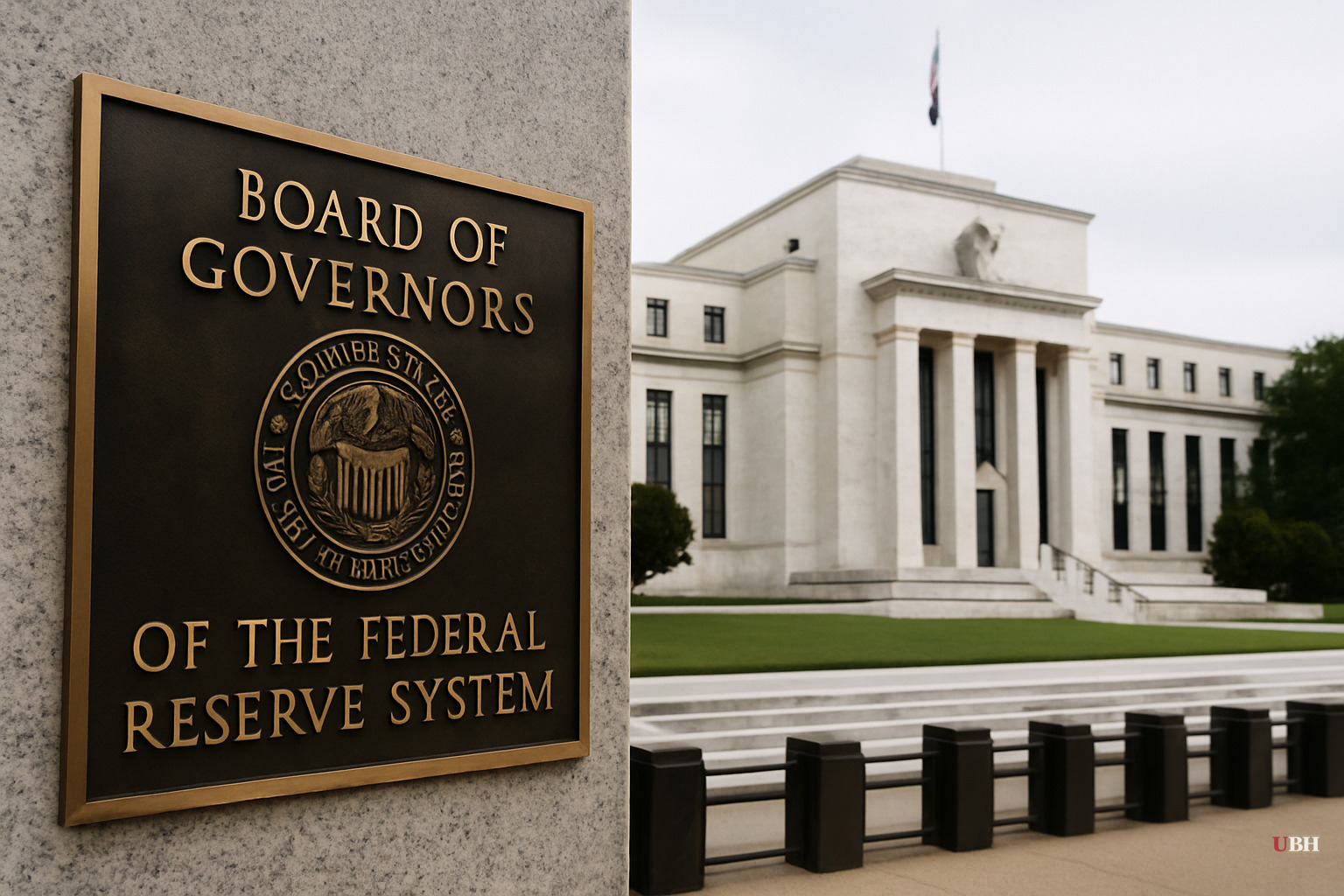
What the Fed Actually Did
The Federal Open Market Committee held the federal funds rate unchanged at 3-1/2 to 3-3/4 percent at its June meeting and dropped its easing bias, according to Rabobank senior U.S. strategist Philip Marey. The vote was 12-0, unanimous.
The statement was strikingly short. Marey, writing for ZeroHedge, reproduced it in full because it was brief enough to fit in a paragraph. It cited solid economic activity, strong productivity growth, stable job gains, and inflation that "remains elevated."
When new Chair Kevin Warsh took the podium, he made a structural break from the Bernanke-Yellen-Powell era: forward guidance is over. No more telegraphing future rate paths. No more conditional promises about what the Fed will do if X or Y happens. Warsh wants the market to trade on data, not on Fed promises.
Warsh also announced five new task forces covering Fed communications, the balance sheet, improving data, productivity and jobs, and inflation frameworks. Whether those produce anything substantive remains to be seen.
One notable detail: Warsh did not submit his own economic projections to the Summary of Economic Projections. That is unusual for a sitting Fed Chair. He gets to shape policy without putting his forecast on the record.
The Rate-Hike Threat Is Real
Bury the lede and you miss the most consequential line in Rabobank's analysis: 9 out of 18 forecasting participants expected to hike before the end of the year.
That is not a fringe view inside the committee. Marey notes that the previous dissenter, Miran, who repeatedly pushed for cuts, has been replaced by Warsh. The balance of the committee has clearly shifted toward caution, if not tightening.
Rabobank's base case is that the Fed stays on hold for the rest of 2026, citing ongoing uncertainty around disruption in the Strait of Hormuz. But "hold" is not "cut," and the hike faction inside the FOMC is not a rumor.
Bulls vs. Bears: Two Credible Cases
Against that Fed backdrop, two widely followed technical strategists are set to debate the year-end outlook tonight at 7 p.m. ET on Adam Taggart's Thoughtful Money program: Jonathan Krinsky, Chief Market Technician at BTIG, and Mark Newton, Head of Technical Strategy at Fundstrat.
The S&P 500 and Nasdaq remain near record highs, per the ZeroHedge report on the upcoming debate. A U.S.-Iran ceasefire has eased oil prices and lifted risk appetite. The question is whether that holds.
Newton's bull case is straightforward: AI infrastructure investment is real, not bubble-driven, and it supports continued gains in tech into 2027. Easing energy prices remove an inflation input. He called energy a potential "source of real underperformance" in the months ahead and named healthcare and financials as his top sector picks, flagging Nike as a stock showing early signs of a turnaround, according to FINTECH.TV coverage from June 15, 2026.
Krinsky's bear case is also grounded. Valuations in tech are stretched by historical measures. The Fed is hawkish, not neutral. And Krinsky has flagged an odd divergence: bond yields kept rising after the peace deal even as oil tanked, which does not fit the standard inflation-relief narrative. Yields should have come down with oil if the market was reading a clean disinflation story. That they did not suggests something else is going on, possibly Fed credibility concerns or fiscal pressure.
The Strongest Counter to the Bears
The fairest version of Newton's rebuttal to Krinsky deserves full treatment. AI infrastructure spending is not a repeat of the 1999 dot-com cycle in one important respect: the companies building it are profitable, cash-generative, and not relying on venture capital to survive a rate shock. If productivity gains from AI actually materialize at the macro level, the earnings base supporting current valuations could grow into those valuations rather than collapse. That is a legitimate scenario, not wishful thinking.
Krinsky is not arguing that crash is certain. He is arguing that the risk-reward at current levels is unfavorable, which is a different and more defensible claim.
The Unresolved Question
What neither camp can answer right now: What does Warsh do if inflation re-accelerates and the economy stays solid?
Without forward guidance, the market has no anchor. Warsh will not tell you in advance. Nine of his 18 forecasting committee members already want to hike. Oil may have retreated on the ceasefire, but the Strait of Hormuz is not fully normalized, and Rabobank explicitly cited continued uncertainty there as the reason the Fed stays on hold.
If that uncertainty resolves in the wrong direction, the hike faction inside the FOMC has a ready-made argument. And a Fed that hikes into a market sitting at record valuations, with stretched tech multiples and rising bond yields, is a different animal than the one markets priced in a year ago.
Krinsky's yield divergence signal is the specific data point worth watching. If the 10-year Treasury keeps climbing while oil stays low, that spread tells you the bond market is pricing Fed risk, not just energy relief.
Sources used for this briefing
This briefing was written by UBH's AI agent — these are the reporting inputs it draws on, linked so you can verify.