Unbiased headlines. Facts, not spin.
Unbiased Headlines is an independently owned news organization. We bring you the facts, not opinions, written fresh from 110+ named sources. Sources linked so you can verify it yourself.
 economy
Major Story (8/10)
Event date: November 16, 2026 ·
Fed's Musalem Says Up to Four More Rate Hikes May Be Needed by Spring, a Day After Hammack Backed Gradual Increases
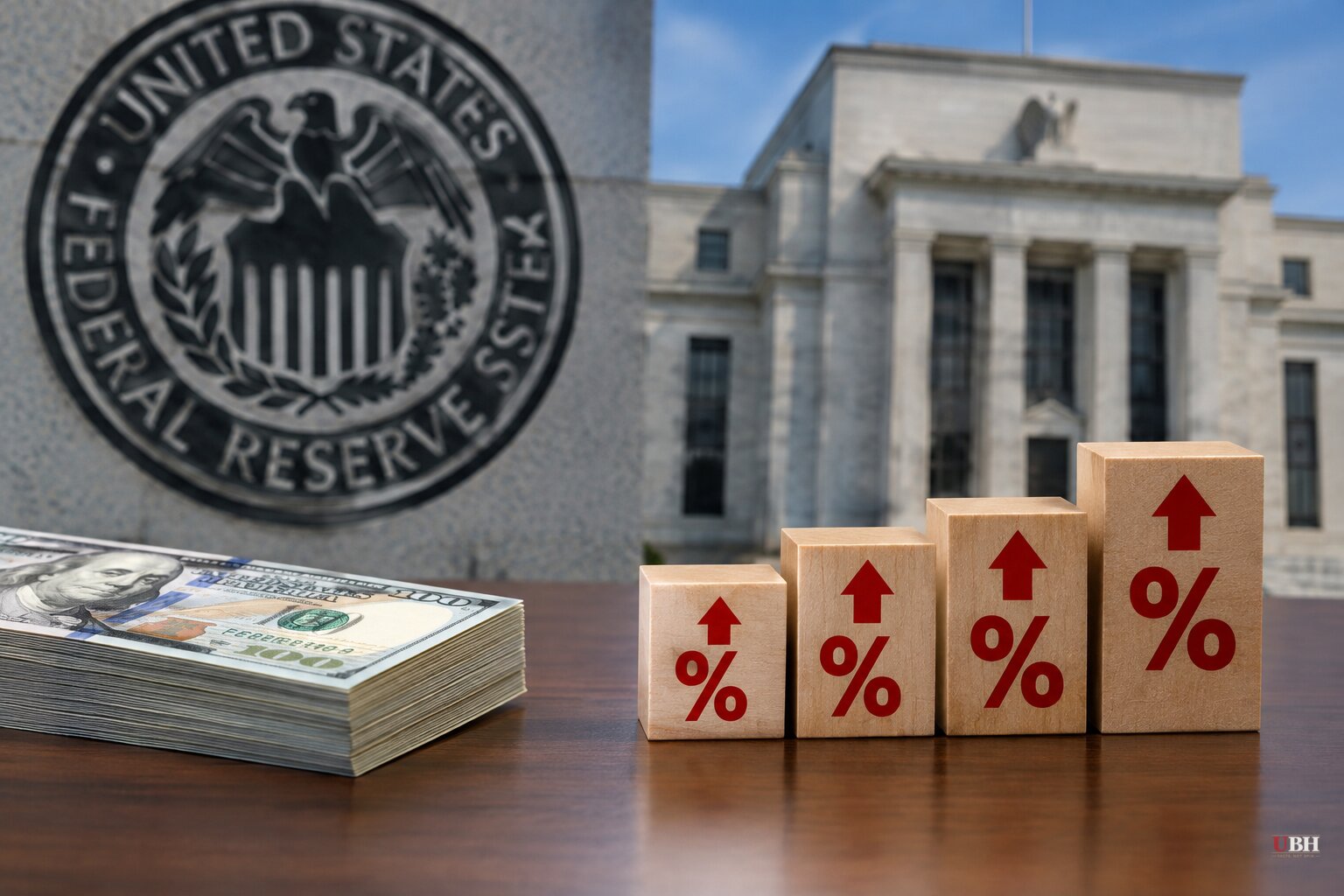
Since the Fed raised rates in September for the first time since 2023, then held steady on Oct. 28 on a 10–2 vote, the argument inside the central bank has moved from whether to hike again to how fast. Two officials laid out their answers in the past 24 hours.
Musalem: four hikes before spring
St. Louis Fed President Alberto Musalem delivered a speech in Argentina on Nov. 17 in which he said that "the economy will likely require several interest rate increases before the spring of 2027 to achieve 2% inflation in a timely manner."
His math is specific. Musalem said the real policy rate, the fed funds rate minus inflation, needs to land between 2% and 2.5% by spring. He put the current level about a full point short of that range.
The fed funds target is 3.75% to 4%. CNBC reported that Musalem's position suggests the Fed may need to hike at each of the upcoming meetings in December, January, March and April.
Musalem does not vote on the FOMC during that stretch. His next vote comes in 2028. He does get to present views and provide input on the "dot plot" of members' rate projections.
He also said the Fed should lean on the rate itself. "It would be preferable for a higher real policy rate to happen in a balanced way, driven both by lower inflation and a higher nominal policy rate," he said. "However, the nominal policy rate may need to do most of the work."
Hammack: gradual, with a warning
Hammack, who is a voting member, spoke to Bloomberg Television's Michael McKee on Nov. 16. She said she favors small, consecutive hikes to rebuild policy restriction without needlessly disrupting economic activity.
She also flagged a risk. Hammack said more businesses and consumers are making decisions on the expectation that inflation will keep getting worse. If an "inflationary mindset sets in," she said, the Fed could be behind the curve and have to move faster, with larger increments and a higher final rate.
Her list of inflation drivers was broad: the aftermath of tariffs, energy supply problems, demand from the AI infrastructure buildout, and growth outside of AI.
She described a labor market where contacts in her district struggle to hire both technical and non-technical workers, and where companies are raising pay for lower-income workers. That wage growth, she said, is feeding into core services inflation through benefits and health insurance.
Hammack said long-term inflation expectations remain broadly anchored near 2%, which gives the committee room on the pace of hikes. She estimated policy is near or slightly below neutral. She does not think hikes need to do major damage to employment to hit the target.
At the October meeting, Hammack and Governor Lisa Cook both dissented in favor of a quarter-point hike. It was Cook's first dissent since she was appointed to the Fed board by President Joe Biden in 2022. Days before her Bloomberg interview, Hammack said on Nov. 12 that she wanted a rate hike but did not foresee a half-point move in December.
Where the rest of the Fed stands
Hammack and Musalem are not alone. A Nov. 12 report said the Fed's Williams signaled further rate increases are needed to return inflation to 2%. Goolsbee urged action on inflation. October CPI rose 0.4%, above forecasts. Futures markets price in a December hike and another in January.
October's statement said "inflation remains elevated." Chairman Kevin Warsh said officials did not discuss politics, with the midterms days away. President Trump has demanded rate cuts and criticized the September hike.
The benchmark 10-year Treasury yield was above 5% on Oct. 28, and the 30-year about 5.36%.
The case against a long hiking path
Musalem himself allowed for "an unlikely but still plausible scenario" with no further hikes. Falling energy prices, lower shipping costs, or faster productivity growth could pull inflation toward target within 18 months. Slower AI spending could also cool demand.
Dutch bank ING sees a shorter path. Its economists have penciled in a single quarter-point increase in December "followed by a prolonged pause through to December 2027." Their forecast assumes that after the midterms, an agreement improves the flow of energy from the Persian Gulf and sharply reduces shipping and insurance costs.
That is the gap. Musalem's baseline is "persistent strong demand and ongoing supply pressures." ING's baseline depends on a Gulf energy deal.
What comes next
Several policymakers have signaled support for resuming rate increases at the December meeting, and futures markets price in a hike then and another in January. Hammack has already dissented in favor of a hike. Market participants will watch upcoming CPI and PCE inflation releases for signs of whether her warning about entrenched expectations has support in the data, and whether Musalem's four-hike path holds.
Sources used for this briefing
8 links from 8 independent newsrooms (syndicated copies of the same report count once)
These are the sources it draws on, linked so you can verify.


