
Unbiased headlines. Facts, not spin.
Unbiased Headlines is an independently owned news organization. We bring you the facts, not opinions, written fresh from 110+ named sources. Sources linked so you can verify it yourself.
 economy
Major Story (7/10)
Event date: November 13, 2026 ·
Fed's Williams Says Another Rate Hike Is Likely, Rejects 'Dramatic' Action Ahead of Dec. 8-9 Meeting
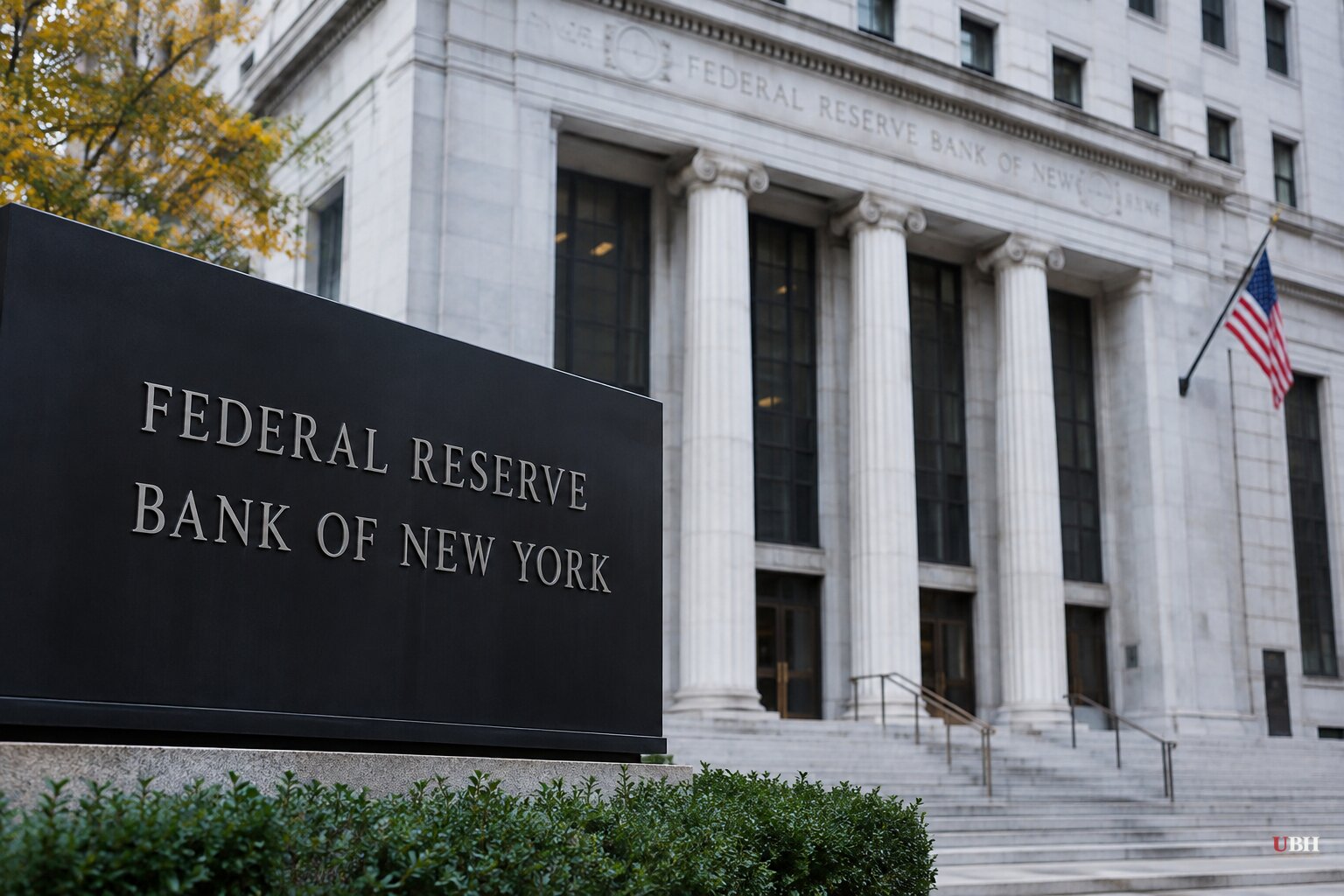
Since the Federal Open Market Committee held rates at 3.75% to 4.00% on Oct. 28 by a 10-2 vote, the debate inside the Fed has shifted from whether to hike again to how hard. New York Fed President John Williams weighed in today, Nov. 17.
Speaking at an Axios event in New York, Williams said inflation is "stubbornly high" and that the Fed will likely need to raise rates again. He did not say when or by how much.
"I don't think the situation calls for dramatic policy action," Williams said. "I think what we've been doing over the last, past few months ... is working well."
He described the economy as strong and the labor market as strengthening. "Financial conditions are still pretty supportive of growth," he said, adding that "financial markets are functioning very well."
Williams on what is driving prices
Williams said AI-related investment is an important driver of inflation and "more likely to be the persistent factor." He also said the Fed has "work to do" to bring inflation back to 2% "in a timely way and in a sustained manner."
He warned against trying to reverse the higher price level already in the system. Doing so, he said, would cause "huge distortions and damage to the economy."
Vice Chair Philip Jefferson also spoke. He said the inflation trajectory is the key signal for policy and gave no specific guidance on the next move.
A committee split on size, not direction
Governor Christopher Waller said at a London conference on Nov. 10 that a half-point increase "should be considered at the December meeting." He had earlier said a core inflation reading of 0.3% for a month would put a 50-basis-point move on the table. October core CPI rose 0.3%, and the headline index topped forecasts for a third straight month.
Others favor a slower pace. Cleveland Fed President Beth Hammack and St. Louis Fed President Alberto Musalem back a series of small hikes. Philadelphia Fed President Anna Paulson said "further gradual tightening seems appropriate."
Hammack was one of two dissenters in October. Governor Lisa Cook was the other. Both wanted an immediate quarter-point increase rather than a hold. The Fed had raised rates in September for the first time in three years.
Futures markets lean toward a quarter-point December hike. CME FedWatch pricing put the odds at 93% for December and 67% for a further increase in January 2027.
The October hold
Fed Chair Kevin Warsh explained the hold by saying the committee needed more information to "determine the policy stance appropriate to ensure a timely return of inflation to the two-percent goal." He said that while financial conditions are tighter than at the prior meeting, he is "unwilling and unable to call them tight."
Warsh also said "politics played no role" in the decision, which came six days before the Nov. 3 midterm elections.
National Review's critique is that the hold contradicted the Fed's own statement. That statement described activity as expanding at a "strong pace" and said inflation "remains elevated." The magazine noted that year-over-year PCE inflation was 3.4% in August and has not met the target since 2021. September CPI ran at 3.7%, and core PCE was up 3.0%. Its argument is that waiting costs ground because inflation compounds monthly.
Treasury Secretary Scott Bessent said after the October meeting that he and President Trump have "great confidence" in Warsh.
The backdrop
The labor market gives the committee room to tighten. Unemployment slipped to 4.1%, and private payrolls posted their strongest gain since March.
Energy is a major input. The Iran war, launched in late February, has pushed energy prices higher. Tariffs and the AI data-center build-out are also in the mix.
What it means for borrowers
Freddie Mac reported the 30-year fixed mortgage rate averaged 7.11% for the week ending Nov. 12, a fourth straight weekly decline and a seven-week low. The 10-year Treasury yield rose to 5.068% last Thursday as oil prices climbed.
Melissa Cohn of William Raveis Mortgage in New York said the path of mortgage rates will "largely depend on oil prices and the war in Iran." Yury Shraybman, a broker at Innovative Mortgage Brokers in Pennsylvania, said buyers already stretched on monthly payments have grown more cautious.
The FOMC meets Dec. 8-9. Whether it picks Waller's half-point option or the quarter-point path Williams appears to favor will turn on the November inflation data and on where oil prices go. Williams has not said which way he leans.
Sources used for this briefing
6 links from 6 independent newsrooms (syndicated copies of the same report count once)
These are the sources it draws on, linked so you can verify.


