
Unbiased headlines. Facts, not spin.
Unbiased Headlines is an independently owned news organization. We bring you the facts, not opinions, written fresh from 110+ named sources. Sources linked so you can verify it yourself.
 economy
Major Story (8/10)
Fed Governor Lisa Cook Declines to Attend Dec. 14 White House Hearing on Mortgage Fraud Allegations
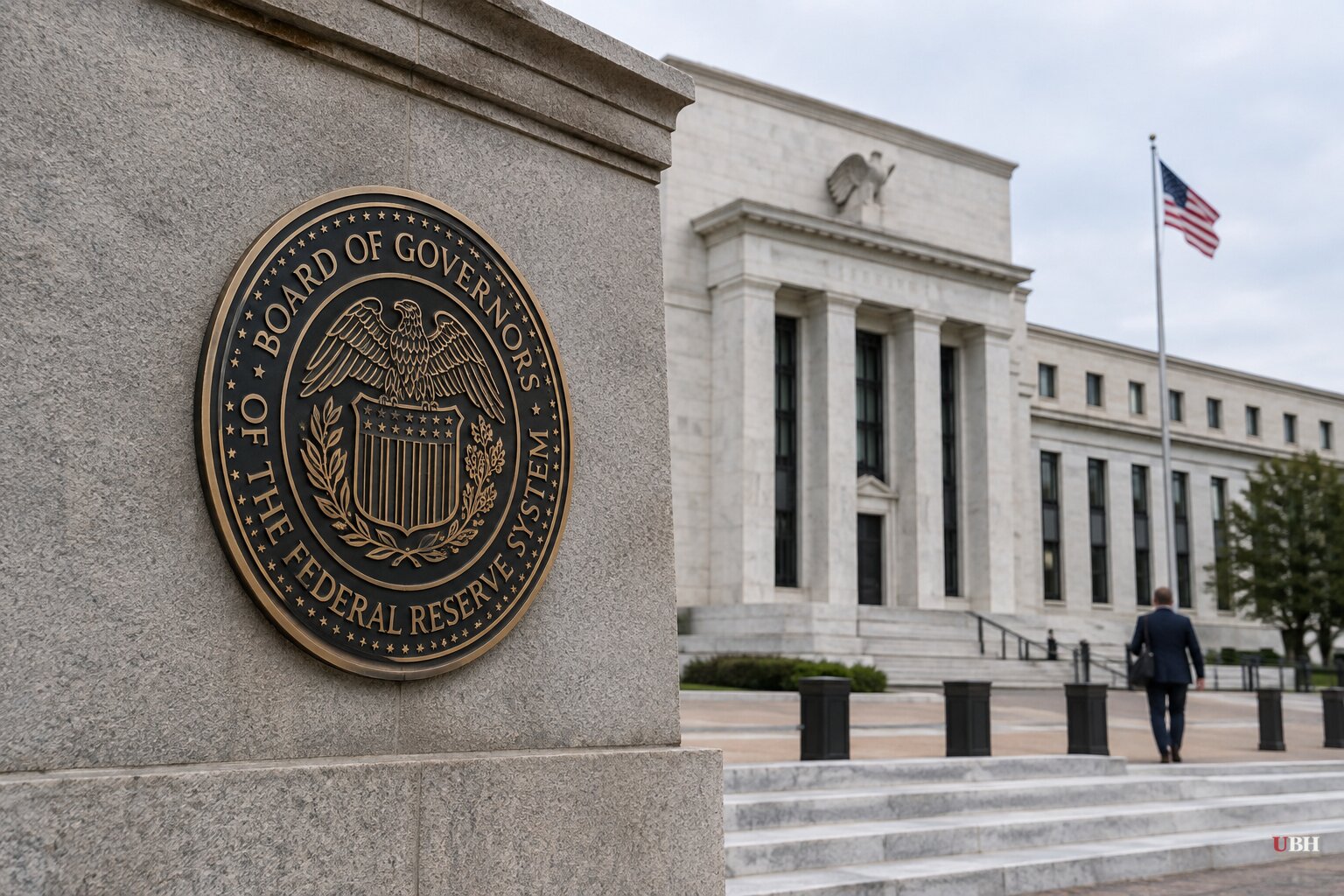
Federal Reserve Governor Lisa Cook will not show up for a Dec. 14 White House hearing on mortgage fraud allegations against her, her lawyer told the administration in a letter dated Nov. 16 and made public today, Nov. 17.
Abbe David Lowell wrote to White House counsel William Scharf that Cook "has no legal obligation to participate in an unfair hearing — and indeed, has a duty to the Federal Reserve to decline to participate in any proceeding that would undermine the institution's unique status and independence."
He called the three-member panel "a façade designed to obscure a predetermined decision to fire Governor Cook."
The allegations and the panel
The administration says Cook made false statements on mortgage documents in 2021, before she joined the Fed's board. She denies it. She has not been charged with a crime.
President Donald Trump has been trying to remove her since August 2025. Cook has sued to keep her seat and argues the push threatens the Fed's independence and reflects Trump's desire to force lower borrowing costs.
The "committee of inquiry" was set up by the White House in October. Its members are Kevin Hassett, Trump's top economic adviser; Andrea Lucas, whom Trump appointed to lead the Equal Employment Opportunity Commission; and Keith Sonderling, Trump's pick for Labor Secretary.
A White House memo said the hearing would be closed to the public but transcribed. The committee would then recommend whether cause exists to remove her.
What the Supreme Court did and did not decide
In June, the Supreme Court ruled 5-4 that Cook was entitled to notice and a chance to respond before any removal. It blocked Trump from removing her while litigation continues. The justices wrote that "the fact of independence but also the appearance of independence is key to the Federal Reserve's design."
A footnote said Trump could try again if the administration provided adequate notice and an opportunity to respond. The committee is the administration's effort to meet those conditions.
The Court did not decide whether Cook's alleged conduct amounts to "cause." Under the law governing the Fed, a president can fire a governor only for cause. That question is still open.
A fight over procedure
The hearing was originally demanded for the first week of November. Lowell then asked for a delay, citing what he called "demonstrably biased members" on the panel. He said Cook had official obligations in Europe and could not attend before the Fed's Dec. 8-9 policy meeting concluded.
The White House has not accepted her objections. In a Nov. 3 letter, administration officials said the committee "reserves the right to draw adverse inferences against you" if she does not participate. They have threatened to go ahead without her.
Lowell's letter did not slam the door entirely. He wrote that "if the White House establishes an unbiased panel and implements fair procedures that do not prejudge the outcome — such as providing the evidence it claims to have gathered with sufficient time for review and response — Governor Cook would be prepared to appear."
He added that the White House's earlier letter, with its ultimatums, fails to offer a workable path forward. The White House did not immediately respond to a request for comment on the new letter.
The two sides disagree on the basic purpose of the process. The administration says the panel exists to give Cook the notice and opportunity to respond the Court described. Cook's lawyer says the panel is a pretext for a decision already made. The Court's footnote required notice and a chance to respond, but did not spell out what procedure would satisfy that.
The Fed's position
Fed Chairman Kevin Warsh was asked at an Oct. 28 press conference whether he or the Fed would be involved in the hearing. He answered, "not to my knowledge."
That leaves the central bank formally outside a process that could change who sits at its table. Governors vote on interest rates, so the outcome bears directly on the Board's makeup.
What comes next
Cook's refusal sets up a Dec. 14 hearing that may proceed with an empty chair, five days after the Fed's Dec. 8-9 meeting ends. If the committee goes ahead, it can recommend whether cause exists and may draw the adverse inferences the White House has warned about. Any removal that follows would almost certainly return to the courts, where the lawsuit over the attempted firing is still pending and the meaning of "cause" remains unanswered.
Sources used for this briefing
7 links from 7 independent newsrooms (syndicated copies of the same report count once)
These are the sources it draws on, linked so you can verify.


