
Original briefings. Zero spin.
Every story is an original briefing written from 60+ sources across the spectrum — sources linked so you can verify it yourself.
 finance
Notable (6/10)
June 20, 2026 at 03:21 PM
finance
Notable (6/10)
June 20, 2026 at 03:21 PM
Fed Vice Chair Bowman Attended Bank of America Private Dinner the Night Her Colleagues Held Rates Steady
What Happened
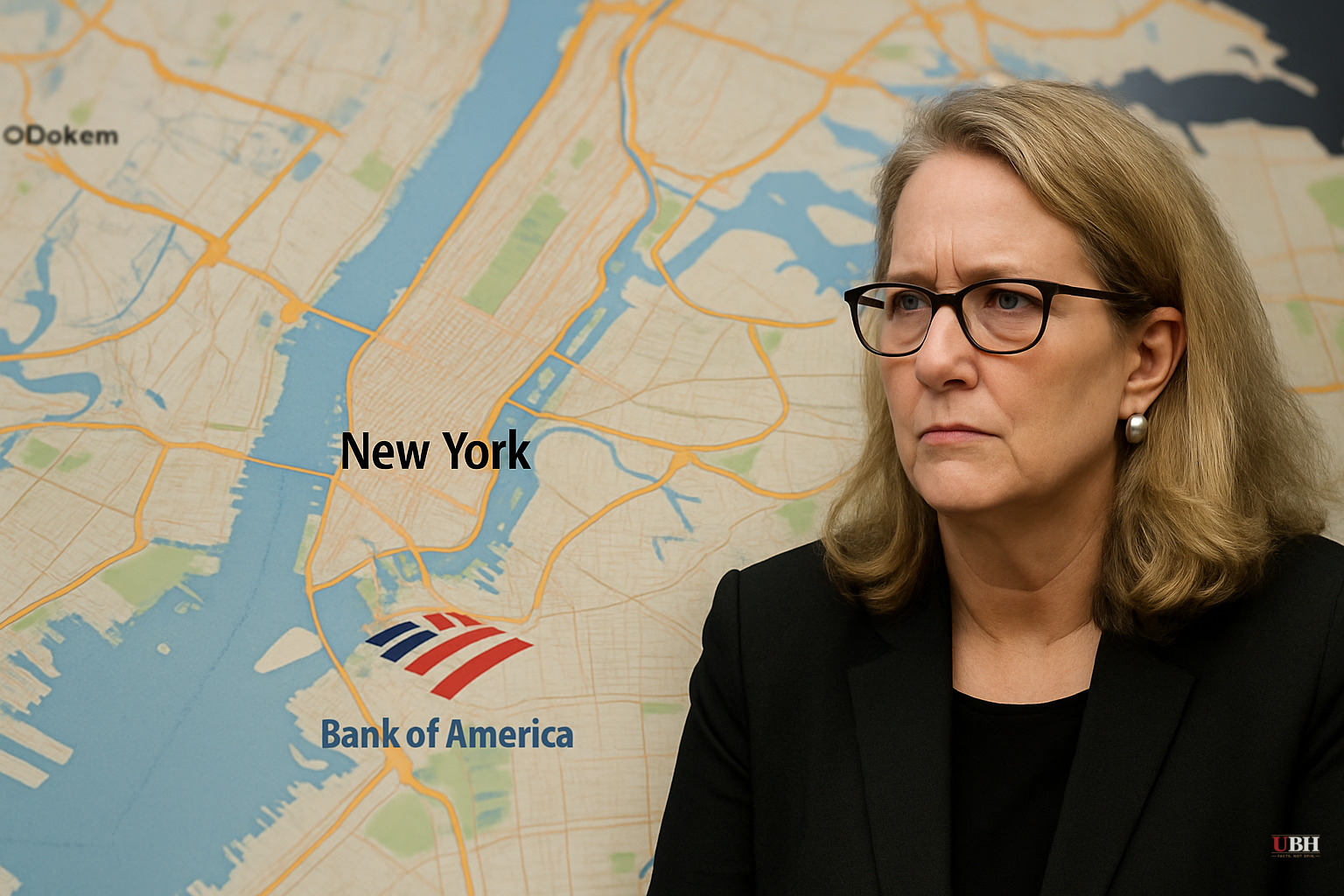
On the evening of June 17, Michelle Bowman attended a private, invitation-only dinner in New York hosted by Bank of America for its clients. That morning, the Federal Open Market Committee had wrapped up a two-day meeting under Fed Chairman Kevin Warsh, voting to hold interest rates unchanged in a range of 3.5% to 3.75% while signaling growing support for hikes later this year, according to Bloomberg.
The Wall Street Journal first reported the dinner. The event placed Bowman, the Fed's top banking regulator, inside the Fed's formal blackout window. The blackout is the period when FOMC officials are barred from public comment on monetary policy. She was at a private gathering hosted by one of the largest banks she oversees.
What the Rules Say
The Fed's blackout period runs from two Saturdays before each regularly scheduled FOMC session through the close of the Thursday following the meeting, according to Yahoo Finance. The June 16-17 meeting ended Wednesday; the blackout did not lift until Thursday, June 19.
The rules are specific about what is prohibited and what is gray area. Bitget News, citing its source reporting on the Fed's communications policy, lays out the framework this way: officials cannot share personal policy views with anyone who might financially benefit from that information, cannot confer a reputational advantage on one company over its competitors, and are advised to exercise "caution and strict adherence" when accepting invitations from for-profit organizations or attending events not open to the press or public.
Closed-door meetings are not explicitly banned. But the guidance stacks up quickly when the host is a major bank under Fed supervision, attendance is by invitation only, and the conversation happens the same evening the FOMC signals its rate path.
Bowman's Defense
Bowman did not stay quiet after the story broke. In a direct statement reported by both Bloomberg and IndexBox, she said: "I did not share my views on monetary policy. I have consistently complied with all applicable FOMC and ethics rules and remain firmly committed to doing so."
Fed officials routinely meet with bank executives and clients in contexts that do not involve disclosing rate decisions or personal policy views. Bowman is the vice chair for supervision. Her job literally involves engagement with the financial industry. Attending a Bank of America dinner as the Fed's chief bank regulator is not inherently improper. The Wall Street Journal's own reporting, as relayed by Bloomberg, does not assert that she disclosed anything confidential.
No investigation has been announced. No complaint has been filed. No named regulator or ethics official has alleged a violation.
The Legitimate Concern
The arrangement raises a question that Bowman's statement does not fully resolve: what did she say?
A private dinner hosted by a regulated institution, with invitation-only attendees who presumably have financial interests tied to interest rate decisions, on the night of a major Fed policy announcement. That combination is precisely the scenario the Fed's own communications policy flags as requiring heightened caution. The rules warn against conferring a reputational advantage on one company over its competitors. Bank of America's clients getting face time with the Fed's vice chair for supervision on that particular evening is, at minimum, an access privilege no other bank's clients had that night.
Bitget News notes that whether Bowman's attendance constituted a violation "remains unclear." The rules are written with enough ambiguity that internal compliance review, not public assertion, is what actually determines the outcome.
Context: Warsh and Fed Communications
The timing matters for another reason. At his debut press conference following the June 17 meeting, Kevin Warsh announced a task force to review how the Fed communicates with investors and the public, according to IndexBox and Yahoo Finance. The stated goal is more transparency, not less.
Bowman's dinner, whatever was or was not said there, fits awkwardly into that framing. If Warsh's Fed is serious about rebuilding trust in the central bank's communication practices, having a senior official speaking at a private bank client event hours after a rate decision is exactly the kind of optics the task force will have to reckon with.
Background on Bowman
Bowman took over as the Fed's top banking regulator approximately one year ago. Her predecessor, Michael Barr, stepped down from the supervision role to avoid a potential removal fight with President Trump, according to Bloomberg. Bowman was nominated for the position by Trump.
Her tenure has been watched closely by both financial industry observers and Fed critics who worry about regulatory capture, the idea that the regulator becomes too close to the institutions it oversees. The dinner, regardless of what was discussed, will fuel that debate.
The Open Question
The Wall Street Journal's reporting, as summarized by multiple outlets, does not include any account of what was said at the dinner, who else attended, or whether the conversation touched on bank regulation rather than monetary policy. Bowman's blackout period technically expired Thursday, June 19, meaning she has been free to speak publicly since then. As of June 20, no additional statement or detailed accounting of the evening's discussion has been reported by any source in this story.
Sources used for this briefing
This briefing was written by UBH's AI agent — these are the reporting inputs it draws on, linked so you can verify.