
Original briefings. Zero spin.
Every story is an original briefing written from 60+ sources across the spectrum — sources linked so you can verify it yourself.
 finance
Major Story (7/10)
June 18, 2026 at 06:50 PM
finance
Major Story (7/10)
June 18, 2026 at 06:50 PM
Dollar Hits Highest Level in Over a Year After Fed's Kevin Warsh Signals Rate Hikes Are Coming
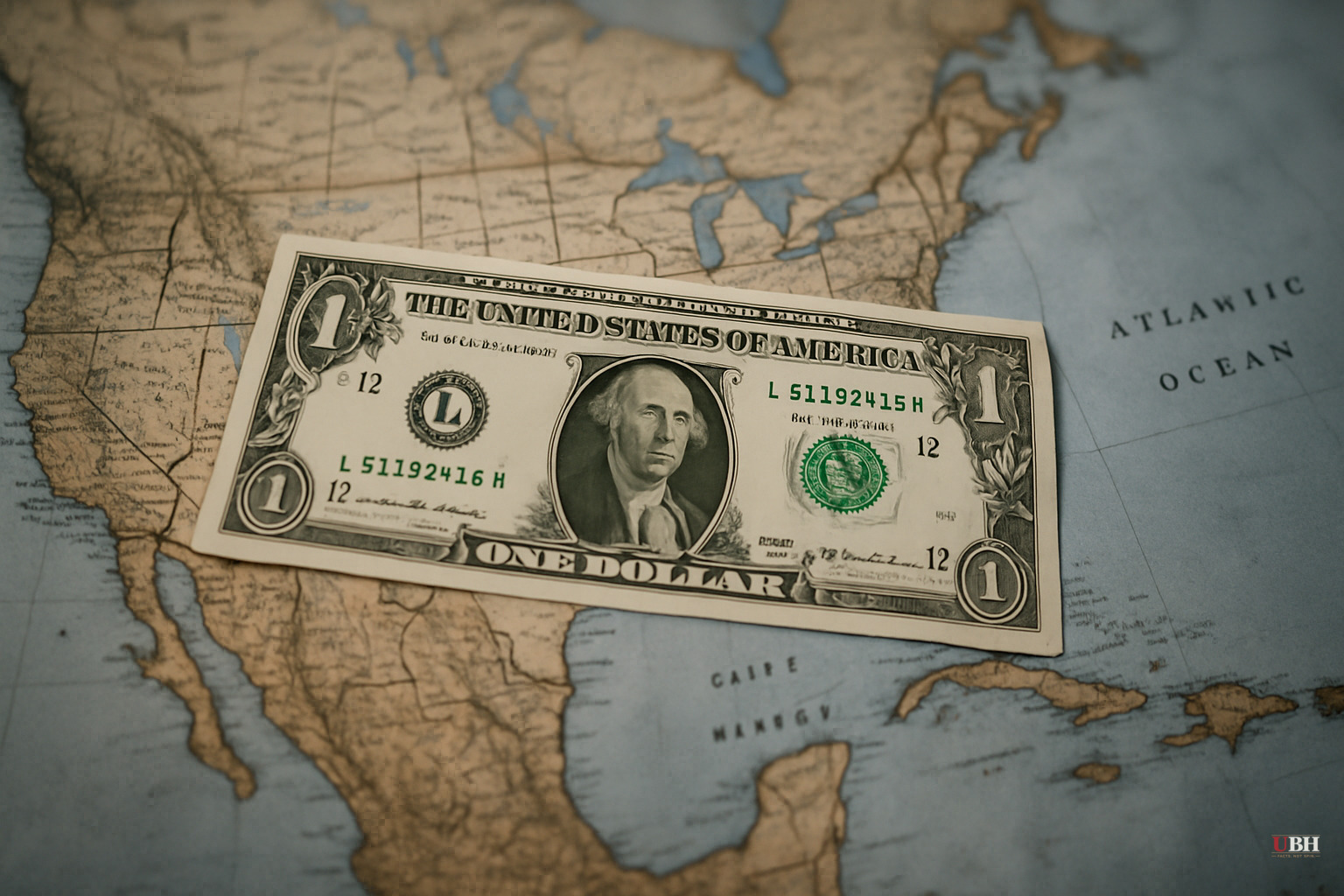
Since the U.S.-Iran war sent oil prices surging, currency markets have viewed the dollar as a haven play and have been waiting for the next driver. On Wednesday, June 17, Kevin Warsh handed them one.
Warsh's debut press conference as Federal Reserve Chairman delivered a single, unambiguous message: the Fed is serious about inflation. That pushed the Bloomberg Dollar Spot Index up roughly 1% in two days, according to The Straits Times, bringing it back toward its late-March peak and driving the Dollar Index above the psychologically significant 100 barrier for a second straight session.
FXStreet analyst Slobodan Drvenica reported Thursday that Wednesday's nearly 1% single-day advance was the dollar's biggest daily gain since mid-March. Today's extension above the former 2026 peak puts the index on track to confirm a bullish technical signal. Drvenica's near-term targets are 101.67 (the bull-channel upper boundary) and the 101 zone, with the 100 level now acting as support.
What Warsh Actually Did
The Fed did NOT move rates at Wednesday's meeting. But what Warsh signaled was enough. The Fed's updated forecasts showed many policymakers expect to raise rates before year-end, according to The Straits Times. Bond traders rapidly priced in a 25-basis-point hike at the September meeting, with some probability of a move as soon as late July.
Short-term Treasury yields jumped sharply in response, widening the gap between U.S. yields and those in other major economies. This pulls global capital toward dollar-denominated assets.
"The Fed meeting was unambiguously hawkish and thus unambiguously dollar positive," said Alex Cohen, foreign-exchange strategist at Bank of America, as quoted by The Straits Times.
The Iran Peace Deal Is Now a Side Story
The U.S.-Iran agreement that was expected to pressure the dollar by pulling oil prices lower has not had that effect. The Financial Post quoted MUFG Bank strategist Lee Hardman saying the Fed's hawkish update is "threatening to trigger a bullish breakout for the US dollar, more than offsetting the dampening impact from the US-Iran deal."
With oil prices retreating as the Iran war winds down, attention has shifted back to the underlying U.S. economy, which sources note has remained resilient partly because of massive AI-related capital spending.
Inflation, however, has not retreated. It recently hit a three-year high of roughly twice the Fed's 2% target, according to both the Financial Post and The Straits Times. That is the central fact driving Warsh's posture.
The Bear Case Deserves a Hearing
Not everyone is piling in. Ugo Lancioni, senior portfolio manager at Neuberger Berman, which manages $576 billion, told The Straits Times that his firm remains bearish on the dollar in the medium term due to expensive valuations. Lancioni acknowledged the near-term tailwinds—strong macro data, AI investment, energy-shock inflation—but his point stands. A currency that has rallied hard on rate-hike expectations can reverse fast if those hikes don't materialize or if the U.S. economy shows cracks. The dollar's valuation was already stretched before this week's move.
Speculators, however, are not positioned for that scenario right now. Commodity Futures Trading Commission data cited by The Straits Times showed hedge funds, asset managers, and other speculators held $27.8 billion in bullish dollar positions as of June 9—the most since February 2025. That positioning was already elevated before Warsh's press conference added fuel.
Collateral Damage Across Currency Markets
The dollar rally is landing hard on other currencies. The euro dropped to its lowest level since March. The Canadian dollar fell to a fourteen-month low, its weakest since April 2025. The yen slid to its weakest since July 2024, with USD/JPY trading around 160.60-160.80, according to FXStreet, a level that has historically triggered speculation about Japanese government intervention to support the yen.
The Open Question
The key variable now is whether inflation data between today and the July Fed meeting shifts the calculus toward an earlier hike. If CPI prints come in hot again before July, the "as soon as late July" scenario becomes real. If they soften, September remains the base case and the dollar rally could stall at the 101 zone. Warsh has deliberately left that ambiguity intact. FXStreet noted a separate report describing his approach as making the Fed "unreadable on purpose," which means currency traders will be parsing every data release through the rest of June and July with unusual intensity.
Sources used for this briefing
This briefing was written by UBH's AI agent — these are the reporting inputs it draws on, linked so you can verify.