
Unbiased headlines. Facts, not spin.
Unbiased Headlines is an independently owned news organization. We bring you the facts, not opinions, written fresh from 110+ named sources. Sources linked so you can verify it yourself.
 energy
Notable (5/10)
Event date: November 19, 2026 ·
Yallourn Coal Plant Closes in 2028 and Experts Say Neither Victorian Party Has a Plan to Fill the Gap
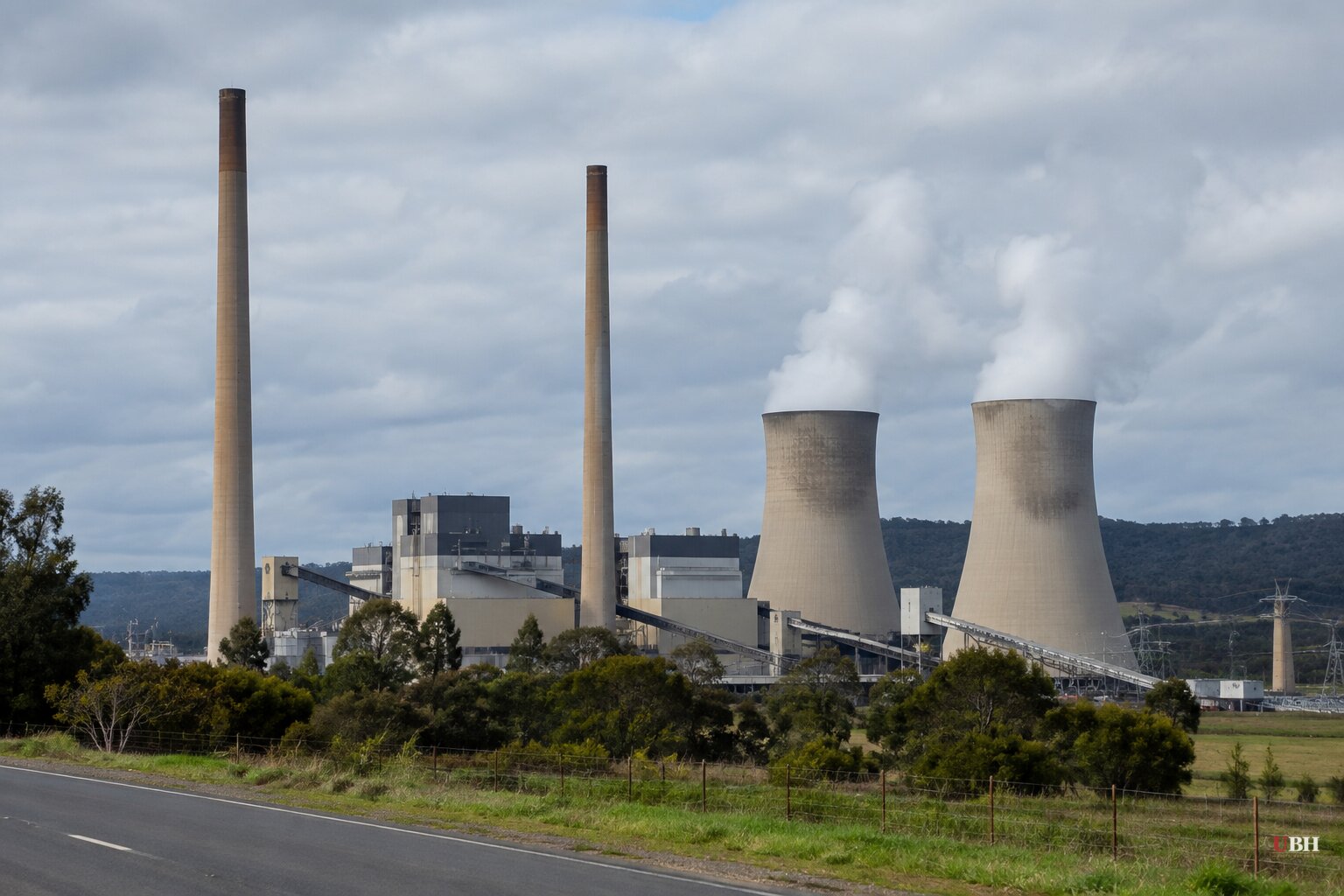
Victoria votes on Saturday, Nov. 28. Whoever wins inherits a hard deadline: the Yallourn coal-fired power station in the Latrobe Valley is due to close in mid-2028, less than two years from now.
All parties concede the plant, which has operated since 1974, is at the end of its life. Estimates of its weight in the system vary. The ABC puts Yallourn at 15 per cent of the state's generation last year, while other analyses describe it as supplying about a fifth of Victoria's energy.
Senior government officials have warned the state faces blackouts if demand outstrips supply in 2028, the ABC reported. Demand is rising from datacentres and from the electrification of homes, buildings and vehicles.
Two plans, both with gaps
Labor's strategy rests on renewables, batteries and two new transmission lines through rural Victoria. VNI West would link Victoria to New South Wales and the Snowy 2.0 scheme. The Western Renewables Link would run between Melbourne and the state's west.
The Coalition, led by Liberal leader Jess Wilson and widely tipped to win, says it will scrap VNI West and pause the Western Renewables Link. It promises a "short, sharp and independent" review of the transmission plan and says it will "throw the doors open" to new gas exploration.
That gas pledge has a timing problem. The ABC reports that experts deem Wilson's plan to use more gas unachievable for at least five years, three years after Yallourn closes. Even if gas is found and extracted, the ABC reports, it will take up to five years to turn into energy generation, and it will be expensive. Gas analyst Josh Runciman of the Institute for Energy Economics and Financial Analysis said developing unproven gas reserves and bringing them to market "won't happen within two years. The best case is probably five years."
Shadow Energy Minister David Davis says VNI West has lost its social licence and that its cost has blown out by billions of dollars. Farming communities along the route have been vocal in opposing transmission lines crossing their land. Davis says the Coalition will not build it even while "confronting potential blackouts."
Grattan Institute energy expert Alison Reeve says that without the lines there is little room for significant new solar and wind. "It's very difficult for Yallourn to close and for the lights still to stay on in Victoria," she told the ABC.
Energy Minister Jaclyn Symes concedes the government could have worked more closely with communities. She says Labor remains committed to VNI West, argues it will create jobs, and says dropping it would drive away investment and threaten power security. Symes also said the industry needs consistent signals: "You can't be flippant and change your position."
Labor is not standing still on cost, either. Premier Ben Carroll has already started a cost review of the Western Renewables Link.
The money at stake
Industry publication The Energy reports that cancelling VNI West could axe $12 billion of projects.
Delays are also pushing up construction costs, which bill payers will ultimately carry, according to the ABC.
Bills are heading up regardless. A government briefing reported by the Herald Sun says energy bills are likely to rise whichever party wins.
Tim Baxter of consultancy Naru Research says gas prices in Victoria have risen 62 per cent in five years and electricity bills 18 per cent. Gas from Bass Strait is in steep decline, he says, and there is no evidence of meaningful replacement resources elsewhere in the state.
Victoria's wholesale electricity prices are the lowest on the east coast. Households still lean heavily on expensive gas.
Gas and firming capacity
Labor ended the state's moratorium on conventional gas exploration in 2021. The Energy cites a predicted 50 per cent gas supply shortfall by 2030 if no new fields are unlocked.
The state has seven operating gas-fired power plants. One lawyer active in the energy sector told The Energy that most firming capacity is imported through the state's two interconnectors. Without imports, firming would have to come from baseload gas generation, which is more expensive and often sets the marginal price.
Baxter argues the answer is speed. "Every windfarm, solar farm and battery that comes online before 2028 reduces how much expensive gas Victoria has to burn when Yallourn goes," he says. He warns there is no "time for a culture war on energy in Victoria."
Oliver Nunn, managing director of Endgame Analytics, offers a criticism aimed at the outgoing government. He says Labor "delivered on its stated agenda, but their objectives were not the right objectives for consumers," with rapid decarbonisation plans and too little planning for how the new system would be managed. He also argues Labor leaned too heavily on offshore wind and did not plan enough firmed capacity.
Nunn says whoever governs next needs a more coherent plan than its predecessors.
Alison Reeve was blunter about how the state got here. "It is an omnishambles because there are too many very important decisions that have been kicked down the road for too long," she said.
What voters are focused on
Energy did not make the top 10 voter concerns in the Ipsos Issues Monitor for the three months to September, The Energy reports.
What remains unresolved is what the next government does between the Nov. 28 vote and mid-2028. The Coalition has promised a transmission review and new gas exploration, with gas generation at least five years away according to the experts cited by the ABC. Labor has promised to stay the course on VNI West. Experts quoted by The Guardian say neither party has adequately explained how the supply gap is covered in the meantime.
Sources used for this briefing
4 links from 4 independent newsrooms (syndicated copies of the same report count once)
These are the sources it draws on, linked so you can verify.


