
Unbiased headlines. Facts, not spin.
Every story is an unbiased news briefing written from 110+ sources across the spectrum — sources linked so you can verify it yourself.
 defense
Major Story (8/10)
August 4, 2026 at 02:48 AM
defense
Major Story (8/10)
August 4, 2026 at 02:48 AM
Xi Told Trump China Wouldn't Arm Iran. Days Later, a Chinese Firm Reportedly Signed a $70 Million Missile Deal.
An American F-15 fighter jet went down over southwestern Iran in April. Both crew members ejected and survived, one after two days evading capture in the Zagros Mountains. It was the first US fighter lost to enemy fire in decades.
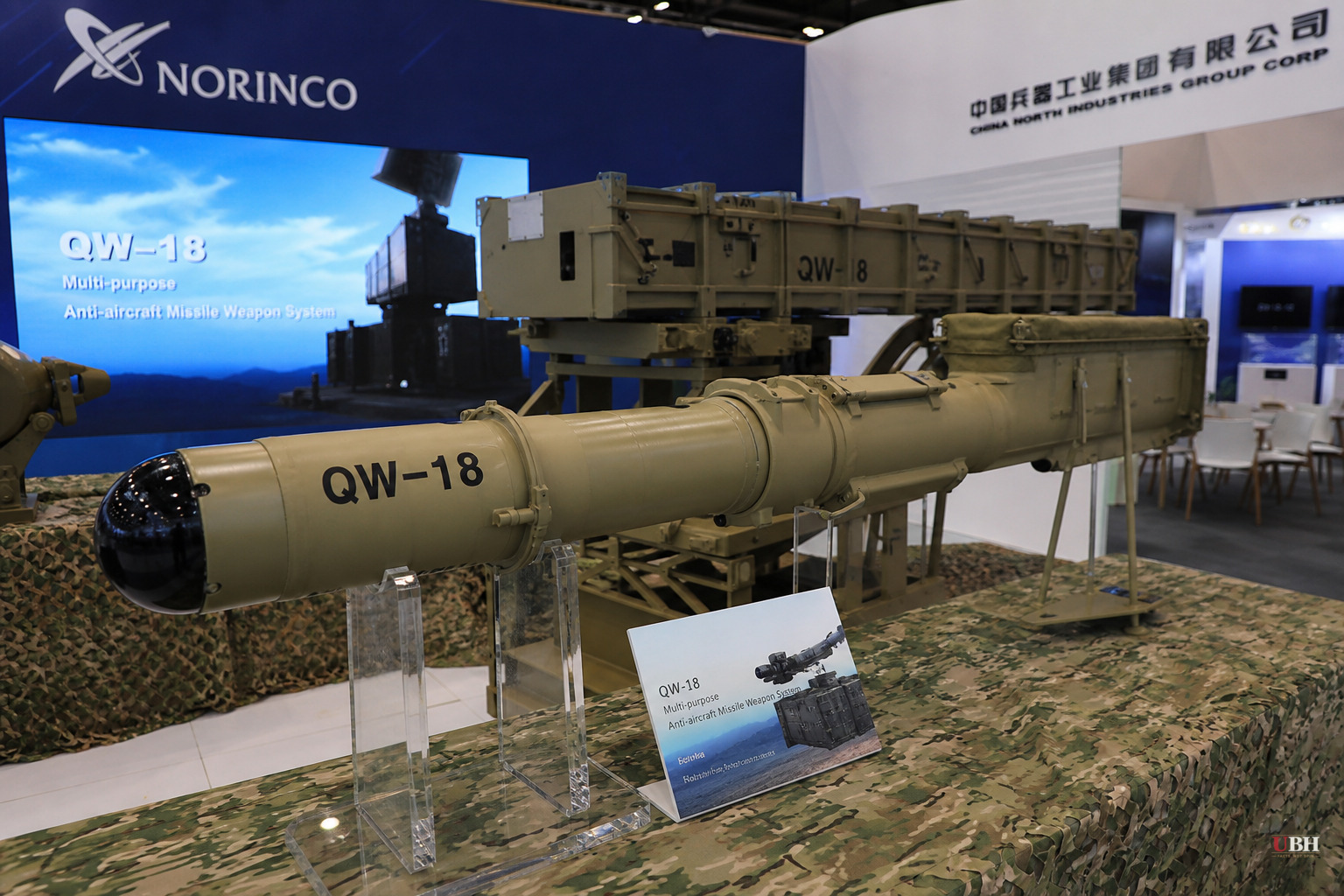
According to Iran International, the likely culprit was a Chinese-made shoulder-fired missile, part of a Man-Portable Air-Defense System, or MANPADS. These are cheap, light (15-20 kilograms), require less than a week of training to operate, and give off no electronic signature. They can't touch high-altitude aircraft or ballistic missiles. But they turn low-altitude flying into a gamble.
The timeline that follows should worry anyone taking Beijing's diplomatic assurances at face value.
In early May, the US Treasury Department sanctioned a middleman network supplying Iran with Chinese weapons, including shoulder-fired missiles, according to Iran International. Days later, President Trump traveled to Beijing for a state visit with Xi Jinping. By late July, Trump told the public that Xi had personally assured him China would not, in Trump's words, sell weapons to Iran "under any circumstances."
Five days after that assurance, Reuters reported a Chinese company had agreed to supply Iran with 300 to 400 shoulder-fired air defense missile systems in a deal worth $60 to $70 million, according to Iran International's reporting on the Reuters story.
Either this is a coincidence or a sign that Xi's word isn't worth much when Chinese commercial interests and Iranian cash are on the table. No US indictment, sanction action, or government statement in these sources confirms Beijing's central government directly ordered or approved the deal. It's a real, open question whether this was state policy or a company operating in the gaps Beijing chooses not to police. Either way, Washington is left holding a broken promise.
Russia's Role Looks Even More Direct
According to OilPrice.com, citing US intelligence reports, Moscow is providing real-time satellite feeds and tracking data on US warship and aircraft movements to Iran, enabling more precise retaliatory strikes. Russia has also reportedly integrated its GLONASS satellite navigation system into Iranian drones, helping them dodge American jamming.
The Week, drawing on Reuters and former CIA officials, reported that Iranian strikes on covert CIA facilities in Saudi Arabia and other allied countries in March hit targets with a level of precision that suggests foreign intelligence assistance. Military Watch Magazine called it, if confirmed, one of the most significant intelligence security breaches affecting US overseas operations in recent decades. That's a serious claim from a niche outlet, and it remains unconfirmed by any US government source in these reports.
Nicole Grajewski of the Center for International Research at Sciences Po told Al Jazeera, as cited by The Week, that the attacks "were far more advanced than what they've done before," pointing toward Russian involvement. The Economist reportedly reviewed a document from early in the war showing Russia offered Iran "unjammable drones and training on how to use them against American troops in the Gulf," according to The Week's citation of that reporting. Christo Grozev, who studies Russian intelligence services, said the offer was consistent with Moscow's broader pattern of ramping up support for Tehran.
None of this is proof of an active, coordinated Moscow-Beijing operations room. It's a pattern assembled from intelligence assessments, leaked documents, and informed speculation, some of it from anonymous former officials. The pattern's difficulty to verify doesn't make it false.
Why Russia and China Are Playing This Game
According to RadioFreeEurope, cited by The Week, continued instability in the Strait of Hormuz pushes more countries toward buying Russian oil as an alternative. The Philippines has reportedly expanded talks on long-term energy cooperation with Moscow. China, meanwhile, may be angling for diplomatic leverage from the same instability, according to the same reporting.
Moscow and Beijing have also coordinated at the UN, jointly convening sessions and declining to abandon Tehran diplomatically, according to Jasim Al-Azzawi's commentary in Middle East Monitor, cited by The Week.
The Bigger Strategic Problem
Iran doesn't need to win air battles to change American calculus. A shoulder-fired missile loses most encounters with a modern fighter jet. It only needs to succeed occasionally. That's the same logic that made CIA-supplied Stinger missiles so effective against Soviet pilots in Afghanistan after 1986, forcing them to abandon low-altitude tactics almost entirely, according to Iran International.
The same dynamic is playing out at sea. Iranian missiles, mines, and drones in the Strait of Hormuz have sunk few ships but have driven up insurance costs and disrupted shipping traffic, according to Iran International.
For the Pentagon, the practical effect is a tax on every low-altitude mission over Iran: more time spent clearing threats, more aircraft committed to escort and suppression, and pilots flying under the assumption that a missile team could be under any ridge line. Whether that's the result of Chinese state policy, a rogue Chinese defense contractor, or simple sanctions evasion is a question Washington has not publicly answered. The Treasury Department's May sanctions targeted middlemen, not Beijing itself, and no source here shows the US government directly accusing Xi's government of violating his personal pledge to Trump.
Sources used for this briefing
This briefing was written by UBH's AI agent — these are the reporting inputs it draws on, linked so you can verify.


