
Unbiased headlines. Facts, not spin.
Unbiased Headlines is an independently owned news organization. We bring you the facts, not opinions, written fresh from 110+ named sources. Sources linked so you can verify it yourself.
 defense
Major Story (8/10)
Israel Warns U.S. That Iran May Use Chemical Weapons, and American Officials Are Split on Whether to Believe It
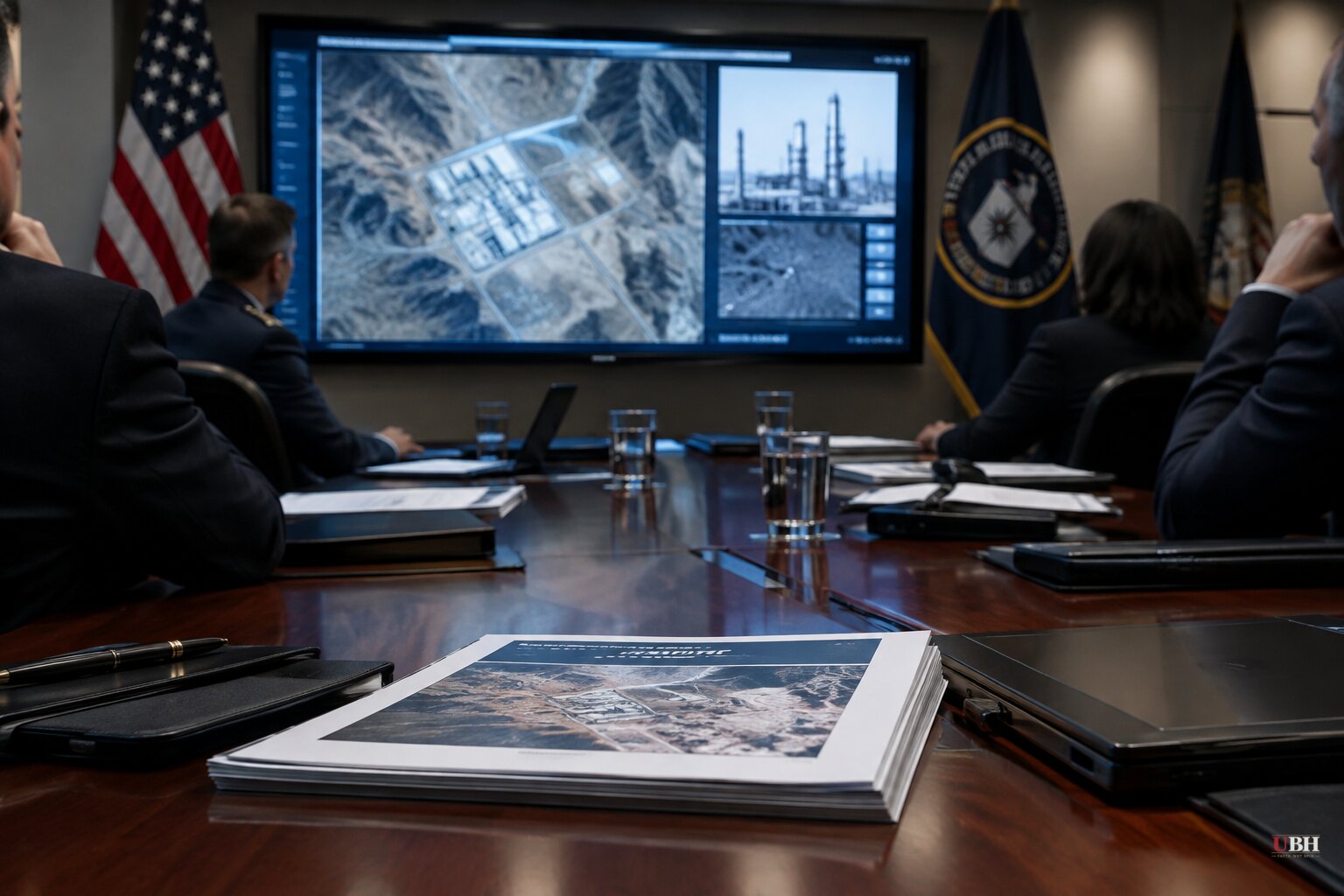
Israel has told Washington that Iran may be preparing to use chemical weapons against its adversaries. The warning landed the day of the U.S. midterms, with U.S. forces massing in the region and a strike plan on the shelf.
The New York Times reported Tuesday, Nov. 3, citing American and regional officials, that Israeli intelligence officials have briefed U.S. agencies over the past two weeks. They described the chemical threat as more urgent than Iran's nuclear program.
What Israel is claiming
Israeli officials told their American counterparts that Iran is moving quickly to build the means to put chemical agents on ballistic missiles. They also said Tehran could smuggle chemical weapons into Israel or another country. Drones were named as a third possible delivery method.
Israel shared the same assessments with Gulf governments. A regional official told the Times that Israeli representatives offered no supporting evidence in those briefings. Several Gulf officials doubted Iran was planning to use chemical weapons.
The Prime Minister's Office responded in a statement: "Israel closely tracks every threat posed by the Iranian terror regime and is prepared to deal with it."
Washington is divided
There is little disagreement inside the U.S. intelligence community that Iran is developing chemical weapons capabilities. A 2024 assessment from the Office of the Director of National Intelligence said Iran "probably aims to continue research and development of chemical and biological agents for offensive purposes."
The fight is over whether Tehran would actually use them, especially if it is not attacked again.
Some American officials took the Israeli material seriously. They pointed to a recent run of warnings about Iranian preparations to hit U.S. interests.
Others were deeply skeptical. According to the Times, some officials see the briefings as a pressure campaign by Prime Minister Benjamin Netanyahu's government to push the Trump administration back into major combat operations against Iran.
For some of those officials, the episode recalls 2002, when U.S. intelligence told the White House with confidence that Iraq had weapons of mass destruction. Iraq had largely abandoned or suspended its programs.
The Times also pointed to Netanyahu's political position after Israel's Oct. 27 election, which left him without a clear path to a government. Some analysts suggested a security emergency could give him leverage with opposition leaders. Those are analysts' assessments, not established facts, and the Prime Minister's Office has not addressed them.
The technical question
Even officials who accept the intelligence disagree on how fast Iran could field these weapons. Weapons experts and American officials told the Times that fitting a chemical warhead to a ballistic missile is relatively simple. Getting the agent to disperse effectively is much harder. Smuggling a device across a border brings its own difficulties.
Iran has denied having chemical weapons. It acknowledged building a chemical capability during the Iran-Iraq War in the 1980s but says it was dismantled afterward. Tehran has called the current allegations an Israeli psychological warfare campaign.
The strike plan
The intelligence dispute comes as the military clock runs. U.S. officials told the Times that Central Command has a plan to strike Iran as early as Wednesday, following the Nov. 3 midterms. Three aircraft carriers are in the region, and one is due to head home to port after early November.
Trump has not approved military action, and any strike requires his authorization. The proposed plan is a roughly three-day campaign against Iranian missile and drone arsenals, Revolutionary Guard command centers and energy infrastructure, according to The Media Line's account of the reporting.
A person briefed on U.S. and Israeli war planning told NPR last week that Israel had wanted to strike in mid-October, before its own election, but Trump objected. That person, who spoke anonymously, said U.S. forces were being positioned to attack by early November. The person also said the buildup could double as leverage to get Iran to a diplomatic deal.
The Times reported that Trump's Cabinet is split. Some members want to give economic pressure more time. Others believe the Iranian government will not fall without new military attacks.
Where the war stands
The U.S. and Israel launched the war on Feb. 28, killing Iran's supreme leader and a number of senior officials. The ceasefire has not held. The two sides have traded strikes over the Strait of Hormuz, which Iran has blocked since the war began while targeting commercial ships. The U.S. has answered with a blockade of Iranian ports and oil shipments.
Iran's Foreign Minister Abbas Araghchi said last week: "We are just as prepared for diplomacy as we are for war." Iranian state media quoted a security source saying Iran would hit U.S. interests in the region, plus infrastructure of countries participating in the war, if its officials or civilian infrastructure were attacked.
Revolutionary Guard political deputy Yadollah Javani said Iran was prepared to destroy internet cables under the Strait of Hormuz. The Guard has also threatened Gulf data centers.
What comes next sits with one man. Trump has not said whether he will authorize the strike, and the carrier schedule means any window for the current plan is short.
The Gulf states Israel briefed would be among the first targets of Iranian retaliation. They have so far been unconvinced by the chemical weapons case.
Sources used for this briefing
8 links from 8 independent newsrooms (syndicated copies of the same report count once)
These are the sources it draws on, linked so you can verify.


