
Unbiased headlines. Facts, not spin.
Unbiased Headlines is an independently owned news organization. We bring you the facts, not opinions, written fresh from 110+ named sources. Sources linked so you can verify it yourself.
 defense
Major Story (7/10)
Event date: October 26, 2026 ·
Iran Is Hitting Hormuz Shipping With Limpet Mines and Drones, Officials Say, as U.S. Prepares Strike Options
Since the U.S.-Israel war with Iran began on Feb. 28, the Strait of Hormuz has swung between closure, partial reopening and a U.S. blockade of Iran. The latest development is a shift in how Tehran is fighting for it.
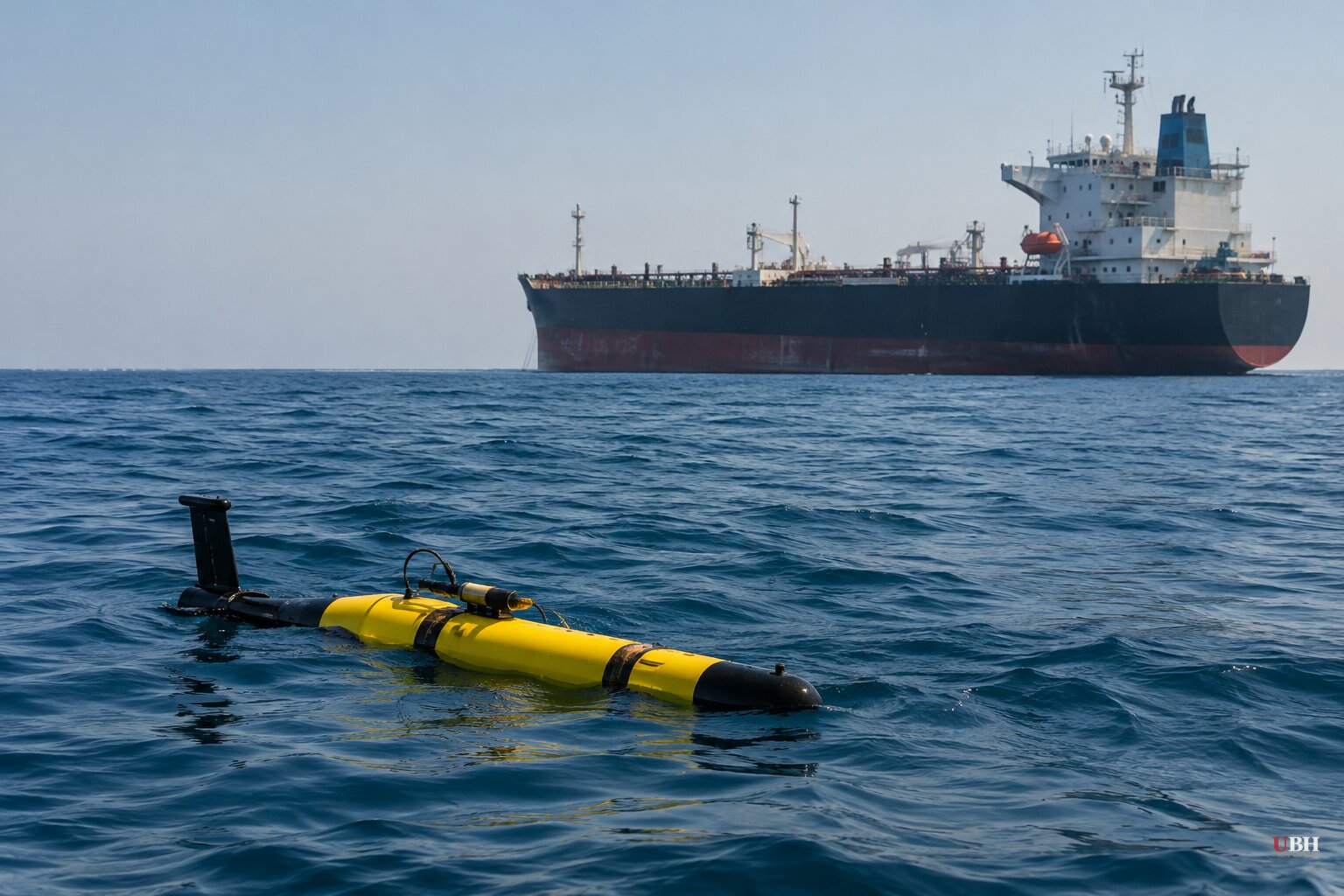
Iran has launched bomb-laden undersea drones, fired rocket-propelled grenades and sent crews to attach limpet mines to ships in recent weeks, according to regional officials, security firms and analysts. The target is the traffic that shuttles oil out of the Persian Gulf to waiting tankers. An Iranian foreign ministry spokesman did not respond to a request for comment.
The campaign comes after U.S. operations pushed flows through the strait back to prewar levels. The U.S. military runs near-daily operations to escort ships and oil out while keeping its blockade on Iran. It is an expensive effort.
Attacks at a record pace
The UK Maritime Trade Operations center, which is affiliated with the Royal Navy, logged more than 35 incidents in the strait in October. That is the highest monthly total since the war began. At least five vessels have been struck so far in November, according to the center.
In mid-October, two senior Iranian officials said Iran was using "new tactics" against civilian vessels. Around the same time, Singapore's Maritime and Port Authority said the container ship GFS Pride, which caught fire in the strait, had sunk. All 21 crew were evacuated safely. The authority called such attacks "unprovoked, unjustifiable, and a breach of international law." Iran's Revolutionary Guard said a cargo ship hit a naval mine on an "unauthorized route."
Gregory Brew, Eurasia Group's senior Iran and energy analyst, described what Tehran is trying to do: "They can keep it violent, they can keep risks to shipping high, they can keep costs high, they can keep oil prices high." Analysts say the attacks are meant to bring back the climate of fear that froze shipping at the start of the war, and to add pressure on the Trump administration in deadlocked negotiations.
Washington says it holds the strait
The Trump administration insists it controls the waterway, and the U.S. military says the strait is clear of Iranian mines. After flying over the strait last week, Adm. Brad Cooper, head of U.S. Central Command, said: "I didn't see the IRGC out there, at all."
That account sits awkwardly beside the UKMTO count of ships struck. Limpet mines and small-boat attacks do not require an Iranian presence visible from the air.
On Monday, the U.S. struck Iran's Qeshm Island as part of a series of small, unannounced strikes aimed at stopping Iranian attacks on American assets and passing ships. Trump has played down the chance of a return to full war after Tuesday's midterm elections.
Pentagon options after the vote
Two U.S. officials told CNN that forces in the region could launch new, potentially major operations against Iran within 96 hours of receiving an order from Trump. They said enough forces are already deployed. The scope would likely go well beyond the "mow the lawn" strikes on radars and launchers that have been the pattern since Trump halted full combat operations earlier this year.
A target list developed by Central Command and the Pentagon reportedly includes Iranian energy infrastructure, military sites and nuclear facilities. Some current and former officials told CNN it is a question of when, not if, with an order most likely after the midterms and before year-end. Those officials also said Trump has not made up his mind. They noted he has leaned toward action before and backed off at the last moment.
A senior Pentagon official said only that the department "is a planning organization." The White House declined to comment.
An unclassified Oct. 23 memo from Director of National Intelligence Jay Clayton to Secretary of State Marco Rubio says Iran has "substantially increased efforts to target US personnel," with plots at "advanced stages" in the Middle East and other countries. Sources familiar with U.S. intelligence assessments told CNN that Iran and the Houthis would likely retaliate immediately against American personnel and facilities if struck first. They said both are unlikely to launch preemptive attacks.
Markets
Brent traded around $102 a barrel on Tuesday, against just over $70 before the war. Gasoline averaged about $4.15 a gallon as voters cast ballots. Oil futures settled lower in a choppy session, with fears over U.S. strikes offset by hope for a diplomatic settlement.
The June deal between Iran and the U.S. reopened the strait only briefly before Trump reinstated the blockade. Separately, the International Energy Agency says the war is pushing global liquefied natural gas output toward its steepest annual decline on record.
Washington has not answered whether the administration treats the shadow war in the strait as manageable under the current blockade, or as the trigger for the larger operation its planners have prepared.
Sources used for this briefing
6 links from 6 independent newsrooms (syndicated copies of the same report count once)
These are the sources it draws on, linked so you can verify.


