
Unbiased headlines. Facts, not spin.
Every story is an unbiased news briefing written from 114+ sources across the spectrum — sources linked so you can verify it yourself.
 energy
Notable (6/10)
Event date: October 9, 2026
energy
Notable (6/10)
Event date: October 9, 2026
USDA Rule Taking Effect Oct. 16 Bars Farmers From Applying for Rural Energy Grants Until Projects Are Built and Proven
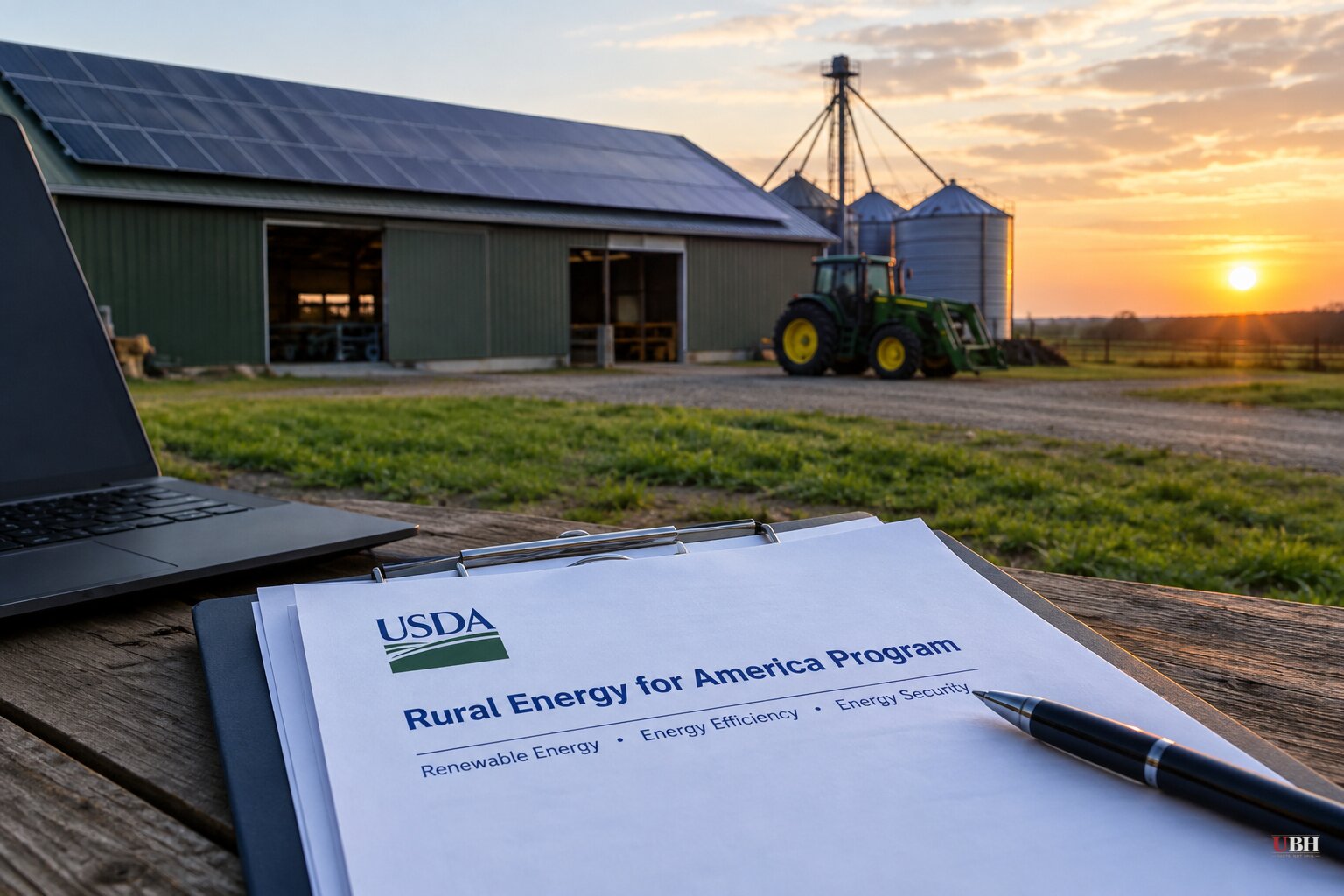
The Department of Agriculture is changing how farmers get federal money for on-farm energy projects. The new rules for the Rural Energy for America Program, known as REAP, take effect Friday, Oct. 16.
Under the old system, a farmer or rural small business could apply for a grant covering up to 50% of a project's cost before breaking ground. Under the new one, the project has to be finished first. Applicants must then show a full year of energy savings before they can ask for a dime.
What changes on Oct. 16
USDA says the goal is to pay for what actually happened, not what was promised. A USDA spokesperson said the changes "are intended to help the program pay for actual production and results of projects, not just projections."
Agriculture Secretary Brooke Rollins was more pointed. "For too long many applicants have prioritized unreliable energy sources and have not fully delivered on their stated goals, as of today that ends," she said.
Under Secretary for Rural Development Glen Smith said the rules protect "productive American farmland from oversized solar developments" and keep components from foreign adversaries off American farms. "REAP should work for rural America, not foreign supply chains or projects that take good farmland out of production," he said.
The rules also carry Rollins' direction "to disincentivize solar photovoltaic and wind energy systems on cropland."
There is no money moving in the meantime. USDA halted REAP applications this year while it rewrote the regulations, so no REAP funding has gone out in 2026.
The scale of the program
REAP has been around since Congress authorized it in 2008. The National Sustainable Agriculture Coalition (NSAC) analyzed USDA data and found the program put more than $4.8 billion into grants and loan guarantees between 2014 and 2025. Over the past decade it helped fund more than 19,000 projects, including solar and wind installations, manure biodigesters and efficiency upgrades.
Solar dominates. USDA figures show nearly 64% of REAP projects since 2017 were solar arrays. The Environmental Law & Policy Center, using a different date range, put solar at nearly 70% of awards from 2011 through the first quarter of 2025.
Iowa is among the biggest recipients, with $74.6 million between 2014 and 2025, according to federal data.
Who pays up front now
The objection comes down to cash flow. Richa Patel, a policy specialist at NSAC, said REAP projects can cost from several thousand dollars to hundreds of thousands, and most farmers will struggle to use the program under the new setup.
"For a lot of farmers, that just simply won't be possible, especially with these times already being so financially uncertain," Patel said.
Farmers are already dealing with higher fuel and fertilizer costs and the effects of the administration's tariff policies, according to Patel and other critics. Under the new rule, a farmer who wants a grant has to secure the full financing on their own first.
The political geography is not what you might expect. A Brookings Institution analysis published last year found more than two-thirds of REAP grants went to districts now represented by Republicans, concentrated in the Midwest.
The lawsuit
The fight is also in court. The Environmental Law & Policy Center and Earthjustice have sued USDA on behalf of the Iowa Farmers Union and other groups over the agency's new eligibility requirements.
The plaintiffs allege USDA has effectively made all solar projects ineligible, which they argue defeats congressional intent. They also allege the agency applied the changes retroactively, leaving participants on the hook for tens of thousands of dollars or more.
"They build these systems, and then suddenly they're being told by USDA, 'Oh sorry, just kidding. You're [going to] be denied because you didn't follow rules that did not exist when you applied,'" said Chad Hughes, an ELPC attorney.
Aaron Lehman, president of the Iowa Farmers Union, called the agency's actions "a total betrayal" of farmers.
The suit asks the court to throw out the new eligibility criteria and order USDA to process applications under the rules in place when they were filed. These are allegations, and USDA has not conceded them.
Rollins laid out the administration's case when she announced the policy shift in August 2025. "We are no longer allowing businesses to use your taxpayer dollars to fund solar projects on prime American farmland, and we will no longer allow solar panels manufactured by foreign adversaries to be used in our USDA-funded projects," she said. USDA's press release said solar panels on farmland had increased by nearly 50%.
A 2024 USDA report found 43% of solar farms and 56% of wind turbines in rural areas were installed on land that had been cropland before development.
What comes next
The rule goes live in four days. A pay-for-proven-results standard is a defensible way to treat taxpayer money. But it also moves all the financing risk onto the farmer, and any applicant who can't carry a project for a year without a federal match is out. How many farmers that covers is the open question.
The lawsuit will test whether a judge agrees with the plaintiffs that USDA overreached on solar eligibility and retroactivity. No ruling has been issued.
Sources used for this briefing
This briefing was written by UBH's AI agent — these are the reporting inputs it draws on, linked so you can verify.


