
Unbiased headlines. Facts, not spin.
Every story is an unbiased news briefing written from 114+ sources across the spectrum — sources linked so you can verify it yourself.
 energy
Major Story (8/10)
October 13, 2026 at 12:38 AM
energy
Major Story (8/10)
October 13, 2026 at 12:38 AM
Analysts Say Europe's Gas Storage Will Reach Only 75-78% by Nov. 1, Keeping Prices High Into 2027
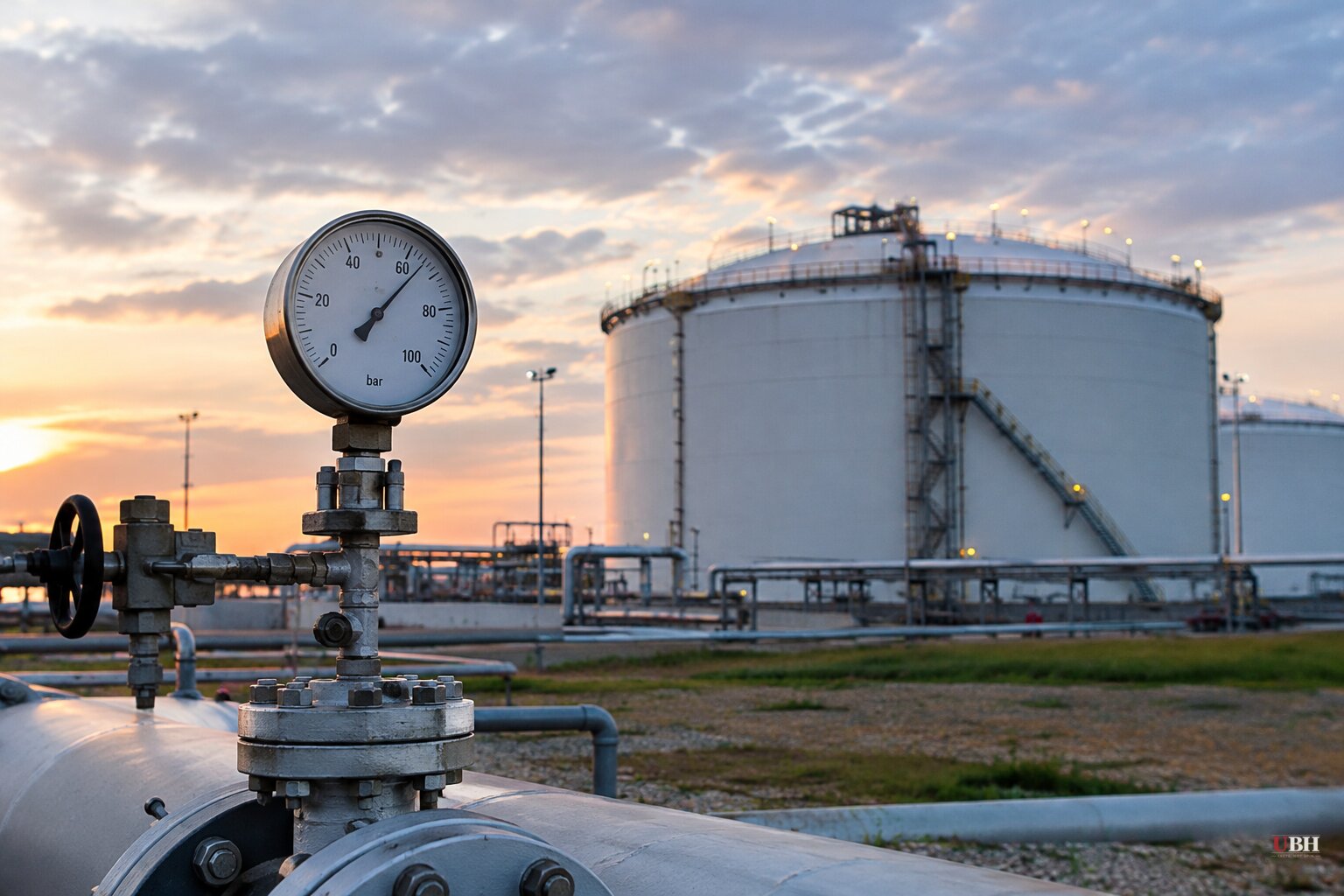
Europe's benchmark gas price has jumped more than 150% this year, and analysts now say the damage will not end with this winter. Even if the Iran war is resolved and the weather is mild, the continent has to refill storage that has been drained to record lows.
The cause is physical. Shipping disruptions through the Strait of Hormuz have trapped almost 20% of global liquefied natural gas exports from Qatar and the United Arab Emirates, most of it bound for Asia. Buyers there are now competing with Europe for spot cargoes.
The US, Canada and Nigeria have increased exports. That has not been enough to close the gap.
Storage is the problem
Analysts and industry forecasters expect European storage to be 75-78% full by Nov. 1, the usual end of the restocking season. That is about 10 percentage points below the five-year average, and it starts from a lower base.
LSEG analyst Yuriy Onyshkiv says that with average winter weather, northwest European reserves could fall to around 20% by the start of April. If Hormuz stays closed, that raises the pressure to restock in 2027.
"It's not just this coming winter that we are tight, but we risk being tight the next summer," Onyshkiv said.
ABN Amro's senior energy economist, Moutaz Altaghlibi, says Europe is not facing an outright supply shortage. What it lacks is an operational buffer. Storage normally supplies 25-30% of the gas the EU burns in winter, which leaves the bloc leaning on pipeline gas and LNG, especially from Norway and the US.
ABN Amro says a cold winter could push storage down to 10-15%. Altaghlibi called that level "very critical and challenging" for the following refill season.
How high could prices go
The 2022 crisis, when the loss of Russian pipeline gas sent prices above €350 per megawatt-hour, is the reference point. Most energy analysts do not expect a return to that. They do consider a spike above €100/MWh feasible, about 25% above current levels.
Altaghlibi said any supply disruption could drive further spikes, and that continued competition from Asia is likely to keep prices elevated.
Households pay later
The retail bill lags the wholesale market. Because household contracts are usually fixed for a set period, consumers are likely to feel the full effect of this year's rally in 2027.
In Germany, the price comparison site Verivox says gas tariffs for new customers have already risen 55% this year, from 8 euro cents to 12.4 euro cents per kilowatt-hour. Existing customers are expected to see increases as their contracts expire. "Given current market prices, increases of 10-20% are realistic," a Verivox spokesperson said.
The G7 turns to oil and diesel
On the oil side, the G7 agreed on Friday to a coordinated release through the International Energy Agency of 100 million barrels of crude and diesel. The release is to begin immediately and run over four months. It includes what the leaders' statement called a "frontloaded substantial diesel release within the first 20 days."
The leaders also pledged to refrain from export restrictions on energy products among G7 countries. Their statement called on all producers to do the same.
The deal followed days of pressure from Washington. Treasury Secretary Scott Bessent said "American farmers, truckers, and businesses should not be left carrying the burden of a global diesel shortage." Energy Secretary Chris Wright told Fox News on Thursday that it was time for "a coordinated release of diesel stores as we go into harvest season, and we go into winter heating oil season."
Trump had floated a ban on US diesel exports. The US is the world's largest diesel exporter, and Europe is a net importer. The EU pushed back hard against the threat, and French President Emmanuel Macron, who chaired the G7 video conference, also warned Trump against it.
After the deal, Trump said Europe had agreed to release a large amount of diesel and that the US would not impose the export ban.
The release carries a cost for Europe. CNN reports that tapping emergency stocks could leave the continent exposed if supply disruptions from the Middle East war and the war in Ukraine continue. Europe is not currently facing outright shortages, but global supplies are tight.
Fuel prices have become a political problem at home for the president, with midterm elections about a month away. British dairy farmer Keith Blackshaw, 69, of Newhaven in Derbyshire, said high fuel costs get passed down the chain to customers. "I'd like to see Mr Trump support us a little bit more," he said.
The next markers are the 20-day window for the frontloaded diesel release and the Nov. 1 storage reading. If European gas storage lands near the low end of the 75-78% range, forecasters expect the refill squeeze to extend into next summer.
Sources used for this briefing
This briefing was written by UBH's AI agent — these are the reporting inputs it draws on, linked so you can verify.


