
Original briefings. Zero spin.
Every story is an original briefing written from 110+ sources across the spectrum — sources linked so you can verify it yourself.
 economy
Major Story (8/10)
Event date: August 7, 2026
economy
Major Story (8/10)
Event date: August 7, 2026
US Bans Tungsten Scrap and Battery Waste Exports Starting Thursday, August 27
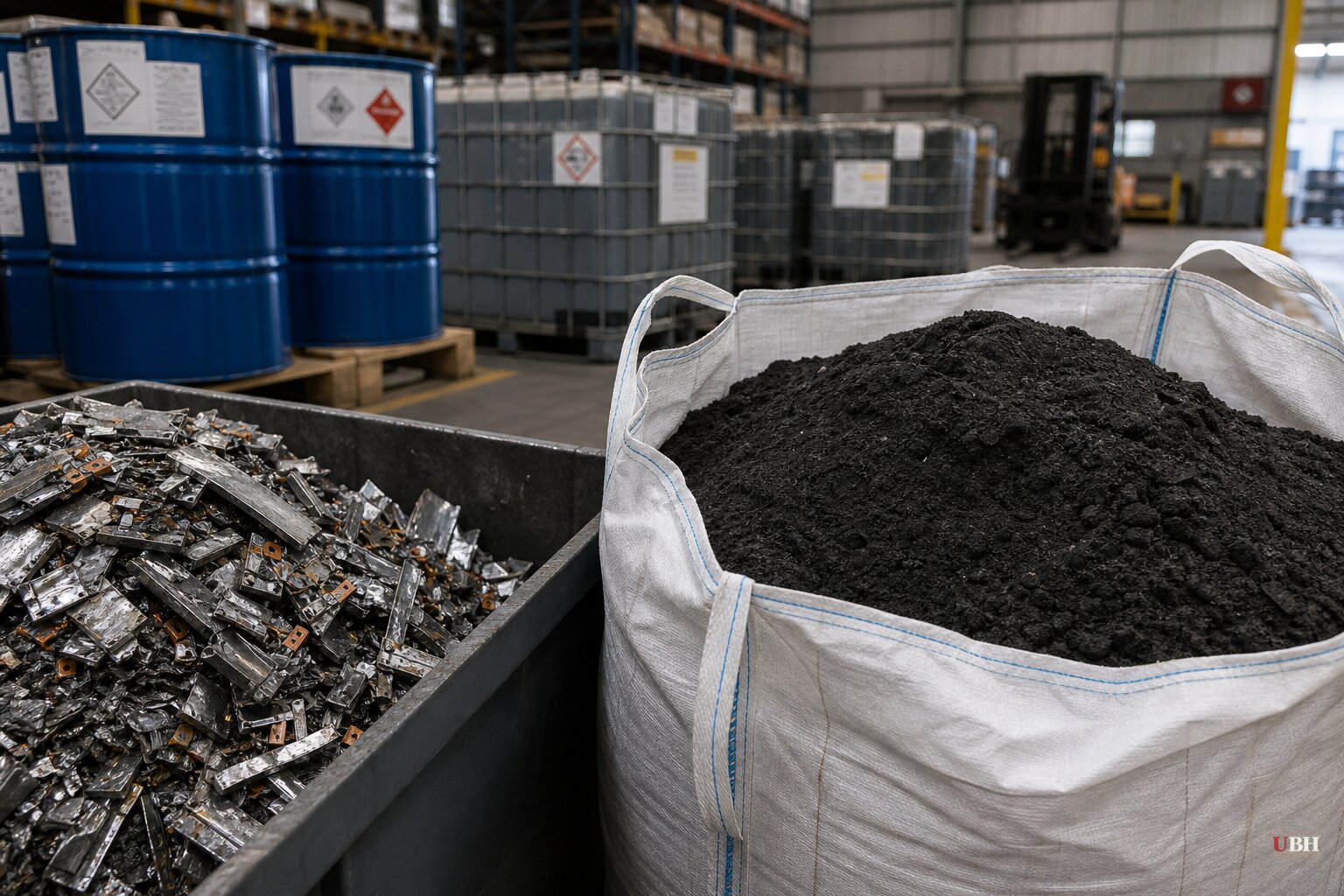
The US Commerce Department's ban on exporting tungsten scrap and battery black mass took effect Thursday, August 27, locking down materials the Pentagon considers essential to national defense for the next year.
The rule, issued through the Bureau of Industry and Security under the Defense Production Act, requires US companies selling covered tungsten waste and shredded lithium-ion battery material to direct 100% of monthly sales to domestic buyers. Customs officials can detain shipments while BIS determines whether material falls under the restriction, according to The Oregon Group. Exemptions are possible but narrow: companies must prove undue hardship, irreparable harm, or that material sent overseas for processing will return to the US.
President Trump signed the underlying executive order the week before the rule took effect, according to Mining.com, which reported the move had been expected. The Commerce Department framed it bluntly. "The president stated that the inadequate supply of [critical minerals and materials] poses an increasing risk to our national defense and security, and it is imperative that the United States take immediate action to secure the supply of recoverable CMMs," the department said in an August 5 statement, as quoted by NTD.
Why Tungsten, Why Now
The numbers explain the urgency. The US has recorded zero domestic tungsten mine production since 2015, according to The Oregon Group. China, meanwhile, produced roughly 67,000 tons in 2025, about 79% of global mined output, and controls an estimated 70% to 85% of downstream processing, per figures cited by ZeroHedge and The Oregon Group.
China imposed export controls on select tungsten products in February 2025. Since then, prices have moved dramatically. ZeroHedge reported Rotterdam tungsten prices jumped nearly 800% following China's curbs. NTD cited a more conservative figure, over 600% since January 2025, still far outpacing other critical minerals like tantalum (196%) and cobalt (134%). Either way, tungsten is now, by Oregon Group's account, rising faster than gold or oil.
Tungsten hardens steel and shows up in armor-piercing ammunition, missile components, and aerospace parts. But Lewis Black, CEO of Almonty Industries, which controls the largest high-grade tungsten reserves outside China, has pointed out the metal's reach extends well beyond weapons, into medical devices, automotive parts, and the data centers powering the AI buildout, according to ZeroHedge.
The Oregon Group also flagged a hard deadline driving the urgency: starting January 1, 2027, US defense procurement rules will restrict tungsten sourced from China, Russia, Iran, and North Korea in key military applications. New mines can't come online that fast. Scrap is one of the only levers Washington can pull immediately.
The Capacity Problem Nobody's Solved
The US doesn't yet have the recycling infrastructure to process what it's now forcing to stay home.
Ryan McAdams, CEO of tungsten recycler Amermin, told Mining.com the ban is "a band-aid." "It's going to buy us more time, but we've got to start building up the infrastructure here stateside," he said. Amermin received an $11.5 million Energy Department grant last year but, according to McAdams, still hasn't received the funds. He said the company's commercial recycling facility would have opened at least six months ago with that money.
That's not a small gap. The US exports an estimated 33,000 metric tons per month of electronic waste and scrap, according to data from the Basel Action Network cited by Mining.com and The Oregon Group. Much of that material is now supposed to stay in the country, but Mining.com noted the US "does not have enough capacity to recycle all the scrap it produces." Two major recyclers, Li-Cycle and Ascend Elements, filed for bankruptcy within the past 18 months.
Zubeyde Oysul, a critical minerals policy manager at the Washington-based think tank SAFE, praised the move to Mining.com: "It's great to see the administration recognize the importance of recycling recoverable critical materials from scrap." The policy's intent is clear, but intent and capacity are different things, and nobody in these reports claims the capacity problem is solved.
The Trade-Off
This rule squeezes non-US buyers who were already competing for scarce non-Chinese tungsten. The Oregon Group noted that overseas consumers now lose another potential secondary source, tightening a market that's already spiking in price. Euroz Hartleys, an Australian financial firm, was cited in Gate News coverage warning the ban will tighten supply specifically for non-US buyers. That's a real cost, even if it's one the administration considers acceptable given the defense stakes.
One development worth watching: 3 Proton Lithium announced it discovered what it describes as the largest inferred tungsten resource in the US, roughly 1.78 million tons in Nevada's Great Basin Desert, more than five times the country's previous largest listed reserve, according to NTD. If that resource proves out and gets permitted, it could eventually reduce US dependence on both Chinese imports and scrap hoarding. But mine permitting in the US typically takes years, not months, and nothing in these reports suggests that timeline has changed.
For now, the rule runs one year. Whether America's recycling capacity catches up to the mandate, or whether $11.5 million grants like Amermin's keep sitting unspent while material piles up domestically, is the question that determines whether this policy actually strengthens the supply chain or just freezes scrap in place.
Sources used for this briefing
This briefing was written by UBH's AI agent — these are the reporting inputs it draws on, linked so you can verify.


