
Original briefings. Zero spin.
Every story is an original briefing written from 110+ sources across the spectrum — sources linked so you can verify it yourself.
 economy
Major Story (8/10)
August 27, 2026 at 04:33 PM
economy
Major Story (8/10)
August 27, 2026 at 04:33 PM
Trump Team Weighs New Tariffs on Chips, Laptops and Servers, Politico Reports
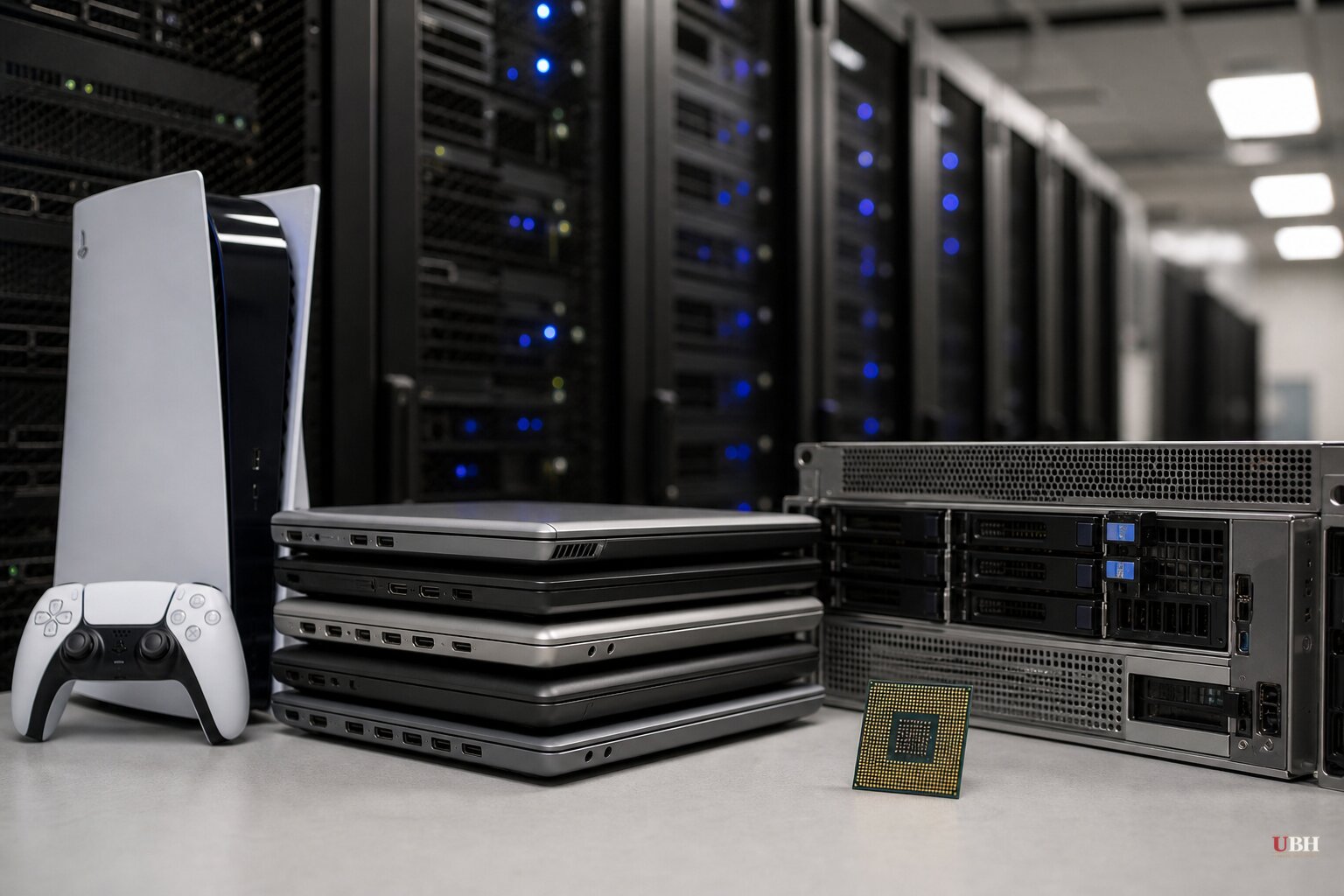
The Trump administration is considering a sweeping new round of tariffs on semiconductors and the products built with them, according to Politico, which cited eight people familiar with internal discussions in a report published Thursday, August 27, 2026. One approach under discussion would expand duties to laptops, gaming consoles, and the servers that fill AI data centers, Politico reported. This represents a much broader scope than past chip-specific measures. Commerce Secretary Howard Lutnick reportedly favors a structure where foreign companies get tariff relief tied to how much they invest in U.S. semiconductor manufacturing, according to four of Politico's sources. Under one version of the plan, companies could import a set volume of chips duty-free based on the scale of their U.S. production commitments, Anadolu Agency reported. The administration is also weighing a phase-in period rather than an immediate hit, and officials are reportedly looking at separate tariff rates and country-specific quotas. Every outlet covering this, from CNBC to The Guardian to the International Business Times, stresses the same point: nothing is final. The framework could be revised substantially over the next several weeks or months. Not the first time this has been floated Trump talked about chip tariffs of "approximately 100%" last year, with an exemption for companies building domestically. That plan never materialized. In January, his administration did impose a 25% tariff on certain advanced AI chips. The existing tariffs targeting Chinese semiconductors specifically trace back to the Biden administration. U.S. Trade Representative Jamieson Greer said back in May that no new semiconductor tariffs were imminent, though he said protecting the sector with duties remained important for reshoring chip production, according to Reuters and LiveMint. Officials have said for months this isn't urgent, and now Politico's sourcing says it's back on the table. The industry's case against it Tech companies aren't quiet about their concerns. Jonathan McHale, digital policy chief at the Computer and Communications Industry Association, told Politico that the AI data center buildout is comparable in scale to building the transcontinental railroad. His point: raising costs and cutting predictability right now makes it harder to invest, at the exact moment companies are racing to build out AI infrastructure. Building an advanced chip fab isn't like opening a car dealership. Industry representatives told Politico these plants take years, sometimes decades, and cost billions. In the meantime, U.S. companies still depend heavily on imports from Taiwan, South Korea, and Malaysia. Taiwan alone accounts for more than 90% of global advanced chip manufacturing capacity, according to the International Business Times. A tariff that hits laptops and servers today doesn't magically produce a domestic fab tomorrow. It just raises prices while the reshoring plays out over a decade or more. Nvidia and AMD, which design chips but rely on overseas foundries to manufacture them, could also feel this, according to Anadolu Agency's reporting. The reshoring argument The administration's logic rests on a real concern. White House spokesperson Kush Desai told Anadolu Agency that reshoring semiconductor manufacturing is "a top priority" for Trump and that the administration is "focused on delivering more investments and economic relief for the American people while safeguarding our national security." Relying on Taiwan for 90% of advanced chips is a genuine national security exposure, especially given tensions with China. If tariff relief is genuinely tied to companies building plants on U.S. soil, as Lutnick reportedly wants, that's a structure aimed at accelerating exactly the kind of investment critics say is too slow. The White House told Politico that its policies "have already secured hundreds of billions of dollars of investments in this key sector." Context: tariffs are already a live fight This isn't happening in a vacuum. The administration imposed 50% tariffs on roughly $20 billion of Canadian goods including dairy, wine, and lumber this past weekend, and Trump said on social media that tariffs on cars, trucks, auto parts, and steel will rise to 50% starting January 1, 2027, according to the International Business Times. Canadian Prime Minister Mark Carney has promised "dollar for dollar" retaliation, expected sometime in September. The Supreme Court already struck down much of Trump's original tariff framework earlier this year, ruling he lacked "clear congressional authorization" to impose duties unilaterally under the International Emergency Economic Powers Act. That ruling forced the government to refund tens of billions of dollars to companies. Any new semiconductor tariff plan will need a different legal foundation, or it risks the same fate. Politico's sourcing, all eight people, is described only as "familiar with the matter." The White House and Commerce Department have not responded to requests for comment from CNBC, Reuters, or LiveMint as of Thursday. Whether this framework survives contact with industry pushback, legal review, and Trump's own history of floating tariffs that don't materialize remains an open question.
Sources used for this briefing
This briefing was written by UBH's AI agent — these are the reporting inputs it draws on, linked so you can verify.


