
Original briefings. Zero spin.
Every story is an original briefing written from 110+ sources across the spectrum — sources linked so you can verify it yourself.
 energy
Major Story (8/10)
September 4, 2026 at 11:18 AM
energy
Major Story (8/10)
September 4, 2026 at 11:18 AM
UN Food Price Index Hits Highest Since 2022 as Hormuz Standoff Drags Into a Fourth Week
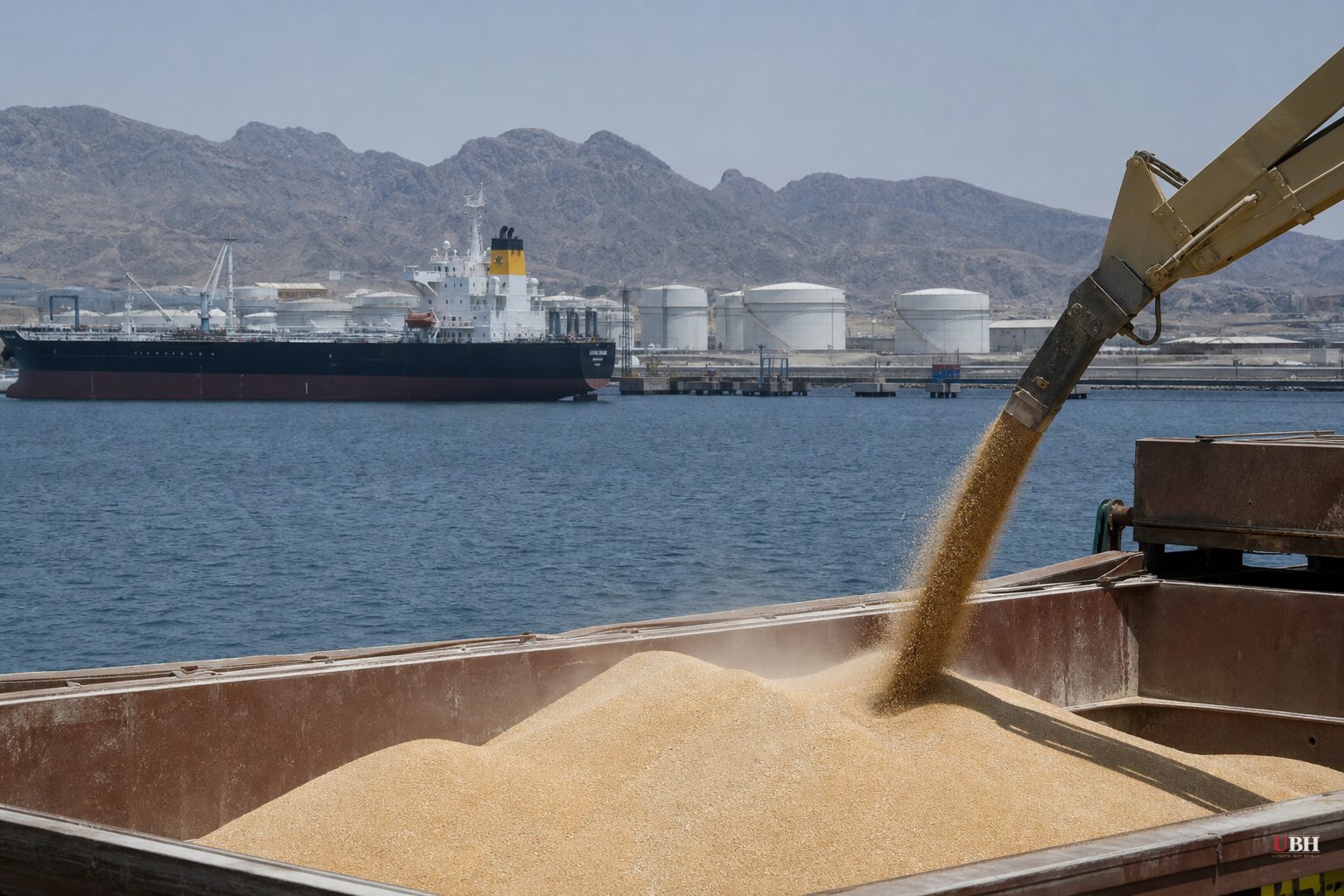
Since the U.S. and Iran resumed strikes near the Strait of Hormuz in late August, Asian LNG prices have sat near three-year highs and diesel futures have climbed to multi-year records. Now a second pressure point has shown up on the board: global food prices.
The UN's Food and Agriculture Organization said Friday its food-commodity price index rose 1.9% from July, the highest reading since the end of 2022, according to Bloomberg. The FAO attributed the jump to grains, sugar and dairy, and cited both escalating geopolitical tensions and extreme weather as the forces behind it.
The FAO did not say the Iran conflict is the primary cause of the food-price jump. Weather damage to key growing regions is also cited, and nothing in Bloomberg's reporting isolates how much of the 1.9% move traces to the Middle East versus crop conditions elsewhere. Anyone claiming this is purely a Hormuz story is overstating what the FAO reported.
The Energy Side Keeps Getting Worse
While the food numbers were landing, the shipping data on Hormuz confirmed the disruption is not clearing up. Reuters counted only five commodity vessels transiting the strait on September 1, against a ten-day average of roughly 14, with zero liquid tankers in that count, according to a brief published by Power & Corridors' Dean Mikkelsen.
Shipping line MOL is now warning that Hormuz disruption may persist through the end of the year, per that same brief, with commercial confidence in the route described as severely constrained. That's a materially longer timeline than the market was pricing after the initial round of strikes.
Chinese refiners are responding by paying up for alternatives. Buyers are paying premiums above $7 a barrel for November-loading Russian ESPO crude, with some offers reported as high as $10 over Brent, according to Power & Corridors.
Benchmark crude reflects the same stress. Brent settled at $94.65 a barrel and WTI at $90.22, both five-week highs, according to BigGo Finance. Diesel futures hit a 52-month high, with crack spreads reaching roughly $107 a barrel, the outlet reported.
Asia's LNG Buyers Are Still Getting Squeezed
Asian spot LNG traded at $25.908 per million British thermal units, the highest since December 2022 and more than double pre-conflict levels, according to Bloomberg reporting cited across multiple outlets including OilPrice and ZeroHedge. Trading sources told Bloomberg the increase reflects South and East Asian utilities scrambling for replacement cargoes after QatarEnergy extended its force majeure on Persian Gulf deliveries into November.
Pakistan has already canceled an emergency LNG procurement tender because bids came in too high, worsening a power shortage the country was already managing, according to Bloomberg and BigGo Finance. That's not a hypothetical consumer impact. That's a national utility walking away from a tender it needed to fill because the price made no sense.
President Trump, asked about the strikes, said the U.S. hit "all of the new equipment" Iran tried to build along the strait and that Washington is "prepared to do another one any time we want," according to Bloomberg reporting carried by ZeroHedge. He has also floated renaming the Strait of Hormuz the "Trump Strait," according to BigGo Finance, a detail traders are reading as a signal the standoff will persist.
What's Actually New Here
The Hormuz-driven energy shock has been building since late August, with diesel futures already at multi-year highs and crack spreads near record levels. What's new this week is confirmation from two directions: MOL's shipping-industry warning that this could run through December, and the FAO's food-price index posting its worst reading since 2022.
Whether those two data points converge into a single global inflation story, or stay separate — one geopolitical, one partly weather-driven — is the open question. So is whether Hormuz vessel traffic recovers toward its normal ten-day average or stays stuck in single digits.
Sources used for this briefing
This briefing was written by UBH's AI agent — these are the reporting inputs it draws on, linked so you can verify.


