
Original briefings. Zero spin.
Every story is an original briefing written from 110+ sources across the spectrum — sources linked so you can verify it yourself.
 energy
Breaking / Critical (9/10)
September 4, 2026 at 07:04 AM
energy
Breaking / Critical (9/10)
September 4, 2026 at 07:04 AM
Oil Posts Biggest Weekly Gain Since July as Hormuz Traffic Drops and EU Joins Iran Sanctions Push
Since U.S.-Israeli strikes on Iran began at the end of February, the conflict has now stretched into its seventh month, with this week's escalation visible in oil markets and shipping data.
Brent crude was trading near $95.67 to $96.06 a barrel on Friday morning, depending on the reporting window, while U.S. West Texas Intermediate sat between $91.56 and $92.10, according to Reuters figures carried by the Times of India, Business Recorder, Euronext and Asharq Al-Awsat. On the week, Brent gained between 7.1% and 7.6%, and WTI rose between 9.8% and 10.4%, the strongest weekly advances for both benchmarks since the week ended July 20.
The driver is what Reuters described as the fiercest U.S.-Iran clashes since July, with American strikes this week killing and wounding dozens of people, including Iranian civilians. Israeli Defense Minister Israel Katz repeated his warning that Israel would "cripple" Iran's military and civilian infrastructure, explicitly including energy facilities. That statement keeps traders pricing in the risk of a direct hit to Iranian oil output or export terminals.
Hormuz traffic thins out
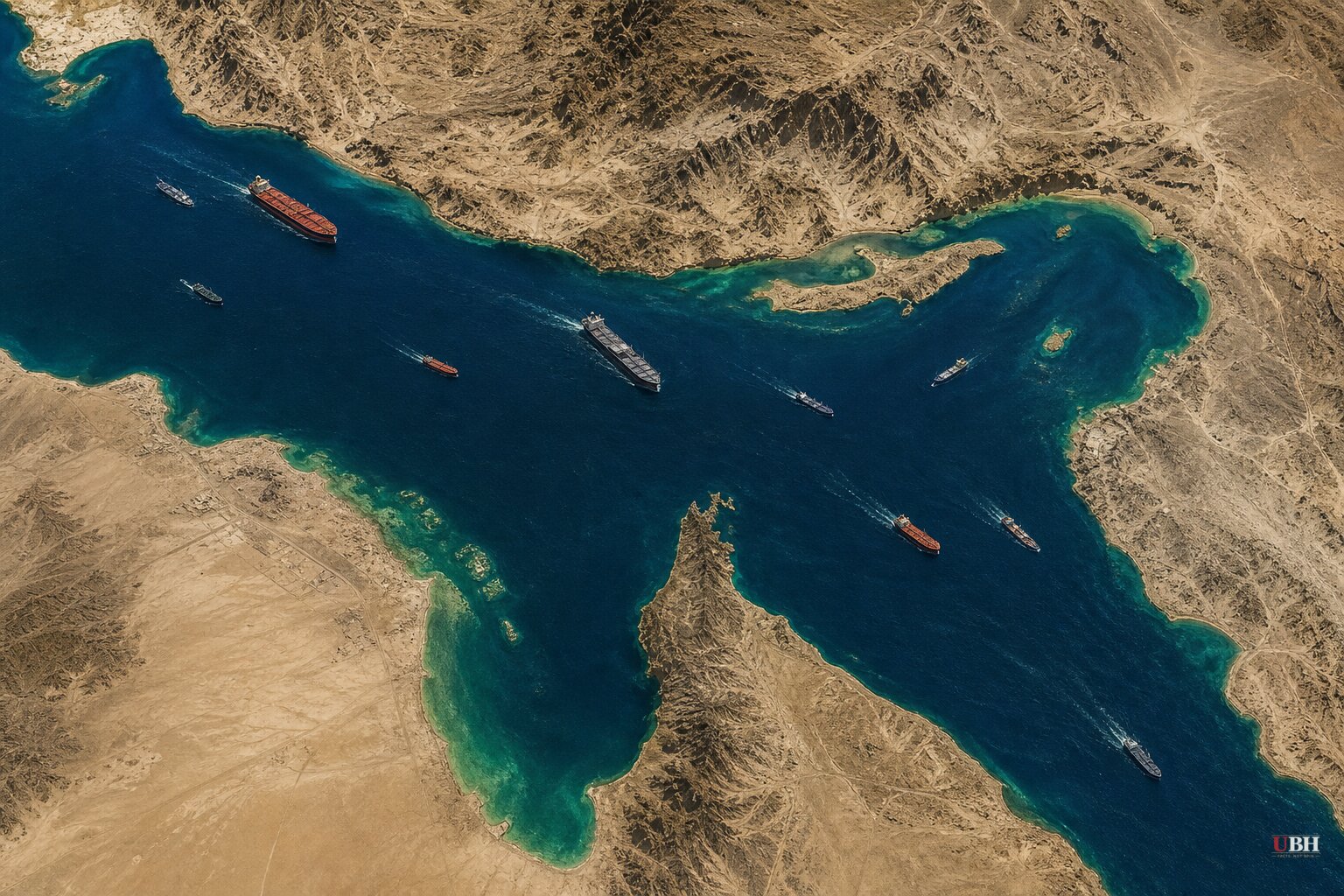
Shipping data from Kpler cited by Dawn showed only four commodity vessels transited the Strait of Hormuz on Thursday, down from nine the day before and well below the 10-day average of about 15. Only two very large crude carriers have crossed the strait so far this week, per the same data. That figure excludes vessels that may have switched off their Automatic Identification System transponders to avoid detection, so actual traffic could be somewhat higher.
Iran has widened its list of vessels it considers non-compliant, threatening fines, confiscation or detention for ships attempting to pass through. Iraqi tankers remain among the few Tehran has cleared to transit, and Iraq has responded by ramping up exports elsewhere in the system. From roughly 1.35 million barrels per day in July to about 2.34 million bpd in August, according to two Iraqi energy officials cited by Reuters, with September volumes expected to climb further as discounts and Iranian approvals draw buyers.
New economic pressure, and new civilian costs
The European Union has formally joined Washington's sanctions effort, dubbed "Operation Economic Outcast," according to U.S. Treasury Secretary Scott Bessent. Bessent wrote on X that the goal is ensuring Iran "cannot exploit the global financial system to fund its nuclear ambitions, weapons programs, and terror proxies," adding that "we will not stop until every remaining financial lifeline has been severed."
The disruption is also reaching commercial aviation. Cathay Pacific has canceled all flights to Dubai and Riyadh through December 1 because of the conflict, according to Anadolu. South Korea, meanwhile, said it is reviewing whether it could contribute to U.S. security efforts in the strait, with a presidential official telling AFP any contribution would have to stay "within limits that do not compromise military readiness."
The human cost of the strikes drew fresh scrutiny this week. An explosion tore through a wedding celebration in Kuhestak, in southern Iran, killing four people and injuring at least 68, according to eyewitness accounts gathered by Reuters. Four military weapons experts who reviewed verified photos and video for Reuters said the damage pattern was consistent with a direct hit by a U.S. munition, not debris or a ricochet from a separate target. Available reporting does not include a U.S. government response to that specific analysis.
Supporters of the U.S. and Israeli campaign argue the strikes are aimed at degrading Iran's nuclear and weapons infrastructure and its capacity to threaten shipping lanes, and that military pressure combined with financial sanctions is the leverage needed to force Tehran back to the table. Critics point to incidents like the Kuhestak wedding strike as evidence that civilians are bearing a direct cost of the campaign. That concern is fair on its face and unresolved by anything in current reporting. No independent investigation or official accounting of the strike has been announced.
Vice President JD Vance said Thursday that Washington will not hold talks with Iran unless Tehran halts attacks on commercial shipping in the strait. Russian President Vladimir Putin, by contrast, said there remains a path to end the war in Ukraine, with both the U.S. and China prepared to back a settlement there. That separate diplomatic track is helping cap, but not reverse, oil's climb, Reuters noted.
ANZ analysts raised their short-term Brent forecast to $95 a barrel on Friday, warning of more upside "if the Middle East conflict intensifies." They added that elevated inventories cushioned the initial supply shock, but that buffer is shrinking as the conflict drags on. Whether Iraq's export surge and Iranian-approved tanker traffic can keep absorbing that shock through a seventh month of fighting is the open question the market is now pricing by the week.
Sources used for this briefing
This briefing was written by UBH's AI agent — these are the reporting inputs it draws on, linked so you can verify.


