
Unbiased headlines. Facts, not spin.
Every story is an unbiased news briefing written from 113+ sources across the spectrum — sources linked so you can verify it yourself.
 energy
Notable (6/10)
September 30, 2026 at 05:29 AM
energy
Notable (6/10)
September 30, 2026 at 05:29 AM
UK Energy Bills Set to Jump Up to 25% in January, Piling Pressure on Bank of England to Raise Rates
The cap just rose. The bigger shock is coming in January.
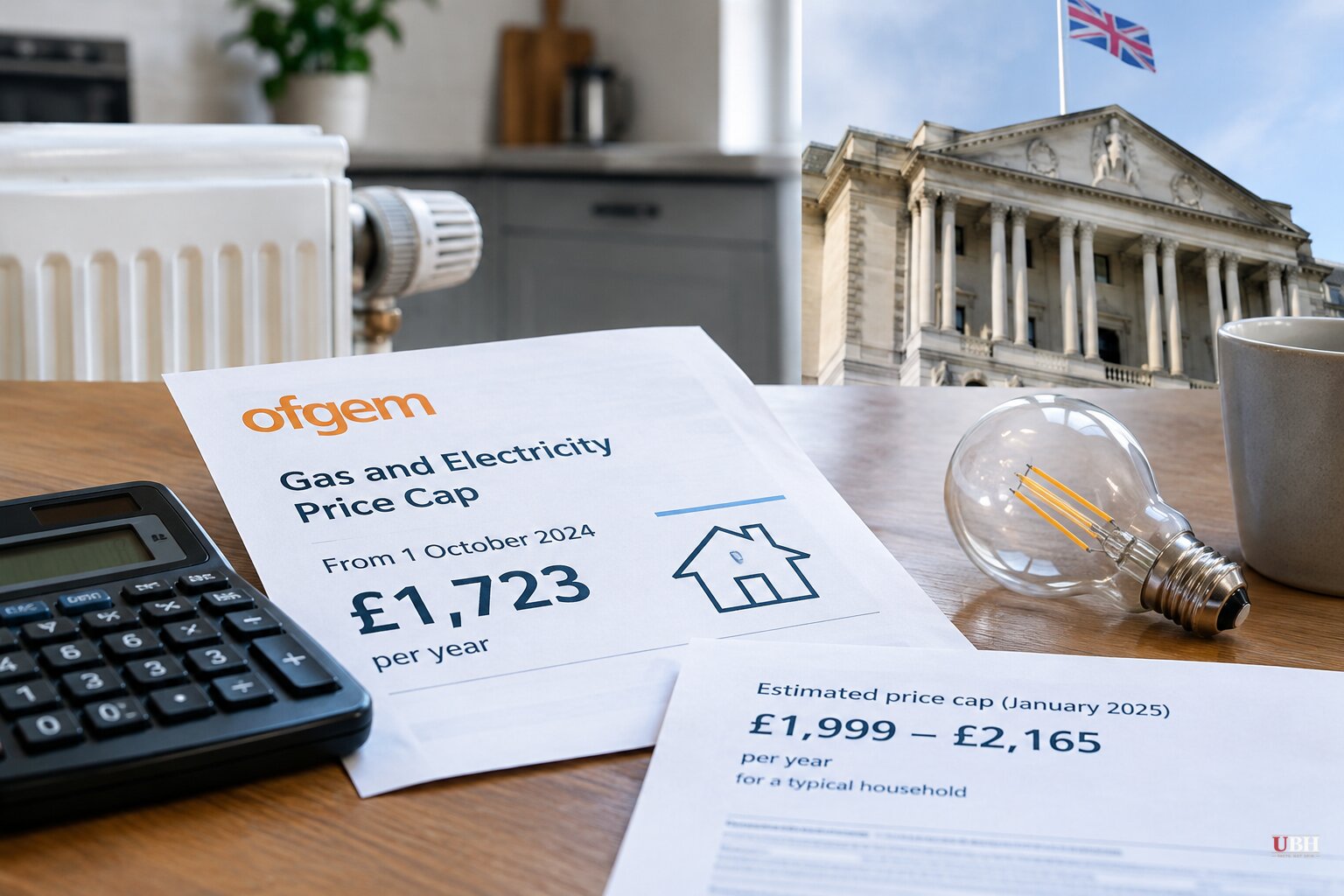
Ofgem's energy price cap increased 4% on Wednesday, October 1, pushing the typical annual dual-fuel bill for a household paying by direct debit to £1,723. That's roughly £60 more per year, or £5 a month, according to figures reported by the BBC.
The increase would have been steeper without a government VAT cut on electricity that also took effect Wednesday, which knocks about £45 a year off the typical bill.
That's the easy part. What's coming in January looks worse.
The forecasts don't agree, but they all point up
Consultancy Cornwall Insight forecasts the January-to-March cap will hit £1,999, a 16% jump of £276 from October's level, according to figures shared with the BBC. Principal consultant Craig Lowrey called the timing brutal: "January is already a difficult month for many, with cold weather and bank balances still recovering from Christmas." He said the rise is "all but certain."
Other forecasters see it worse. Uswitch, averaging estimates from British Gas, EDF and E.ON Next, put the January cap around £2,117, about £394 higher, or a 23% increase, according to the International Business Times UK, which cited Uswitch energy expert Ben Gallizzi. EDF's own forecast, reported by The Independent on September 17, put the figure even higher at £2,165, a £442 jump.
Bloomberg Economics has projected a roughly 25% rise, according to time.news, which would push national inflation above 4% next year.
The gap between the low and high estimates, roughly £245, comes down to differing assumptions about where wholesale gas prices go between now and Ofgem's assessment window, which runs into November, according to the International Business Times UK. None of these numbers are official. Ofgem will not confirm the actual January-March cap until around November 25.
Why: gas supply disruption tied to Middle East conflict
Forecasters attribute the spike to disrupted gas supplies linked to conflict in the Middle East and depleted gas storage across Europe, according to Cornwall Insight. Time.news reported that Bloomberg Economics ties the surge specifically to fighting disrupting Persian Gulf oil and gas exports. UK month-ahead gas futures have climbed 150% and equivalent power contracts have more than doubled since the conflict began. Cornwall Insight warned that rebuilding depleted storage could keep bills elevated "well beyond the winter."
EDF chief executive Simone Rossi told the BBC the UK is "walking into a second significant energy crisis" and is pushing for the government to extend the VAT cut on electricity beyond its current scope.
The Bank of England's dilemma
UK inflation hit 3.1% last month, its highest in five months, and the Bank of England expects it to climb to roughly 3.7% in the fourth quarter and 4.2% in the first quarter of 2027, according to comments from deputy governor Clare Lombardelli reported by London Loves Business. The Bank held its benchmark rate at 3.75% earlier this month on a 6-3 vote.
Lombardelli, speaking in Warsaw, said a rate increase is "increasingly likely" if elevated energy prices persist without clear signs of falling inflation or a weakening economy. "The longer higher energy prices persist, the greater the risk that indirect effects build," she said, warning that wage bargaining and pricing behavior could shift in response.
Governor Andrew Bailey, speaking separately in Oxford, said pass-through from the energy shock has so far been "quite subdued" but cautioned that policymakers "can't wait to get the full evidence on the second-round effects to make that call because it's going to be too late," according to Briefs. Food inflation, which recently eased to a two-year low of 1.3%, is expected to climb toward 4% in early 2027 as manufacturers absorb higher input costs, Lombardelli said.
The political response
The rising bills are landing squarely on Prime Minister Keir Starmer's government. Ministers are weighing whether to extend the £150 Warm Home Discount to a wider pool of carers, disabled people and pensioners ahead of winter, according to time.news.
Households facing a near-25% bill spike in the dead of winter need a bridge, and pensioners on fixed incomes have no way to absorb it through overtime or budgeting, unlike younger workers. Aaron Richards, a Maidenhead resident cited by the BBC, said he's already cutting takeaways and working extra hours just to keep up. "We shouldn't have to," he said.
But extending subsidies treats the symptom, not the disease. Every pound spent on the Warm Home Discount or a VAT holiday is a pound of taxpayer money papering over Britain's continued dependence on volatile international gas markets. Nothing in these forecasts suggests that exposure is going away, only that it's currently being driven by a Middle East conflict nobody in London controls.
The one hard date on the calendar is November 25, when Ofgem confirms the real number. Until then, the £276 to £442 range is the best guess anyone has.
Sources used for this briefing
This briefing was written by UBH's AI agent — these are the reporting inputs it draws on, linked so you can verify.


