
Unbiased headlines. Facts, not spin.
Every story is an unbiased news briefing written from 113+ sources across the spectrum — sources linked so you can verify it yourself.
 energy
Major Story (7/10)
September 29, 2026 at 06:19 PM
energy
Major Story (7/10)
September 29, 2026 at 06:19 PM
EU Considers Delaying Methane Import Rules to 2028 as Winter Energy Fears Grow
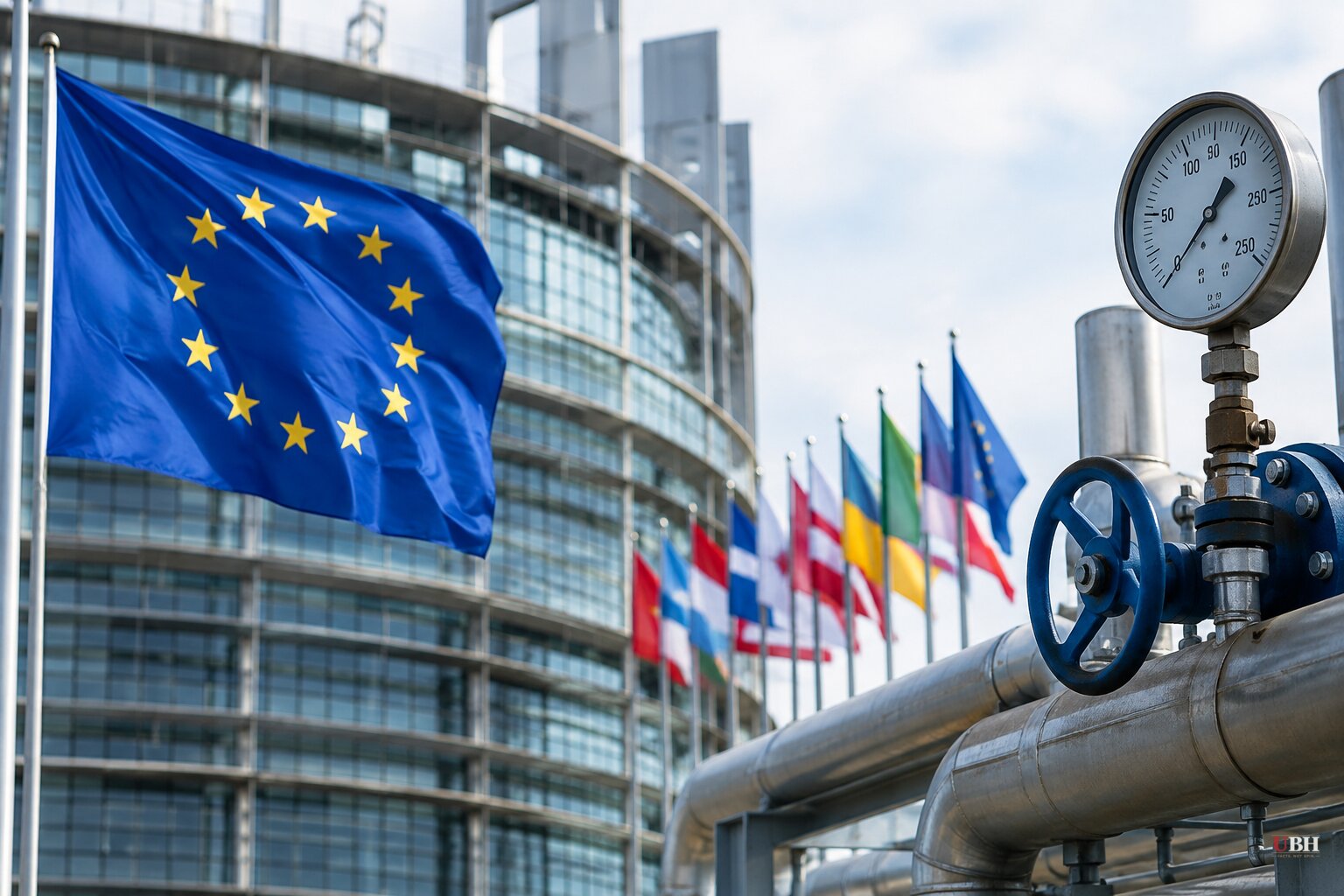
The European Union is weighing a one-year delay to methane emissions rules for oil and gas imports, according to Reuters. EU Energy Commissioner Dan Jorgensen made the announcement at a meeting of EU energy ministers in Dublin on Tuesday, September 29.
"I have instructed my services to look into possibilities of postponing the part that has to do with imports," Jorgensen told reporters, according to Reuters. He said he's looking at delaying the rules, not loosening them, and any delay should come with conditions requiring member states to use the extra time to get ready.
The rules, part of the EU's Methane Regulation, are set to take effect January 1, 2027. They require foreign oil and gas producers supplying the EU to monitor and report their methane emissions. Companies that don't comply face fines of up to 20% of annual turnover, according to ESG News and Modern Diplomacy. A separate methane intensity limit on imports is scheduled to kick in from 2030.
Pushing back the import requirement by a year would move the start date to January 2028, per ESG News. Any change still needs sign-off from EU governments and the European Parliament.
Who's Behind the Push
French President Emmanuel Macron requested the one-year delay last week, arguing the current timeline creates legal risk for importers just as energy supplies are tightening, according to Reuters. More than a dozen EU countries, including Germany, Europe's largest gas market, asked back in June for the rules to be delayed or suspended, per Modern Diplomacy. Italy and the Czech Republic wanted an even longer, three-year postponement.
The United States, now Europe's top LNG supplier, has also warned the rules could disrupt fuel deliveries to the continent, according to ESG News.
Brussels already tried to defuse the fight in July by telling countries they could waive fines for companies that breach the rules through 2029, according to the Briefs newsletter. That didn't settle things. Industry group IOGP sent a letter and position paper to the Commission on September 1, 2026, calling for the import obligations to be delayed a full three years, arguing there's no workable compliance pathway yet and that companies remain exposed to reputational risk even if fines are waived.
Clean Air Task Force, a group that tracks methane policy, published a point-by-point rebuttal of those industry claims. CATF argues a verification and reporting protocol already exists, pointing to a University of Texas at Austin framework published in 2026, and says cost estimates from EDF and Carbon Limits show compliance is more manageable than IOGP suggests. IOGP's own position paper acknowledges industry isn't asking for weaker rules, just more time and legal certainty, a distinction CATF says the Commission's July guidance already addresses.
The disagreement boils down to a real, unresolved question: is a one-year delay with a fines pause enough certainty for LNG and oil suppliers to keep shipping to Europe without legal exposure, or does it take three years to build a workable system, as IOGP argues. The sources here don't settle that question. It's a dispute between an industry trade group and a climate advocacy group, and neither side's compliance-cost numbers have been independently verified in these reports.
The Bigger Backdrop: IEA and Oil Reserves
The methane fight is unfolding alongside broader anxiety over winter fuel supplies. International Energy Agency Executive Director Fatih Birol, who joined the Dublin meeting, said IEA member states may discuss releasing more strategic oil reserves if needed, though he called that "not the number one agenda for the IEA" right now, according to Reuters.
The IEA's 32 members agreed in March to release 400 million barrels of strategic reserves, the largest coordinated release in the agency's history. Birol said only 20% of that total has been released so far, leaving 80% still in reserve if conditions worsen.
Asked whether he'd advise the United States against a diesel export ban, an idea President Donald Trump said last week he supports, Birol sidestepped a direct answer, saying the IEA offers member countries guidance on what's "good for the countries themselves, but also their allies and their partners around the world," per Reuters.
None of this is finalized. Jorgensen's team is still studying the delay option, and any change to the methane rules requires approval from both the European Council and Parliament. No vote has been scheduled, and the Commission hasn't said when it expects to make a formal proposal.
Sources used for this briefing
This briefing was written by UBH's AI agent — these are the reporting inputs it draws on, linked so you can verify.


