
Unbiased headlines. Facts, not spin.
Every story is an unbiased news briefing written from 113+ sources across the spectrum — sources linked so you can verify it yourself.
 energy
Major Story (8/10)
September 29, 2026 at 11:38 PM
energy
Major Story (8/10)
September 29, 2026 at 11:38 PM
US Offers 40 Million More SPR Barrels as IEA Chief Says Agency Is 'Ready to Act' on Another Emergency Release
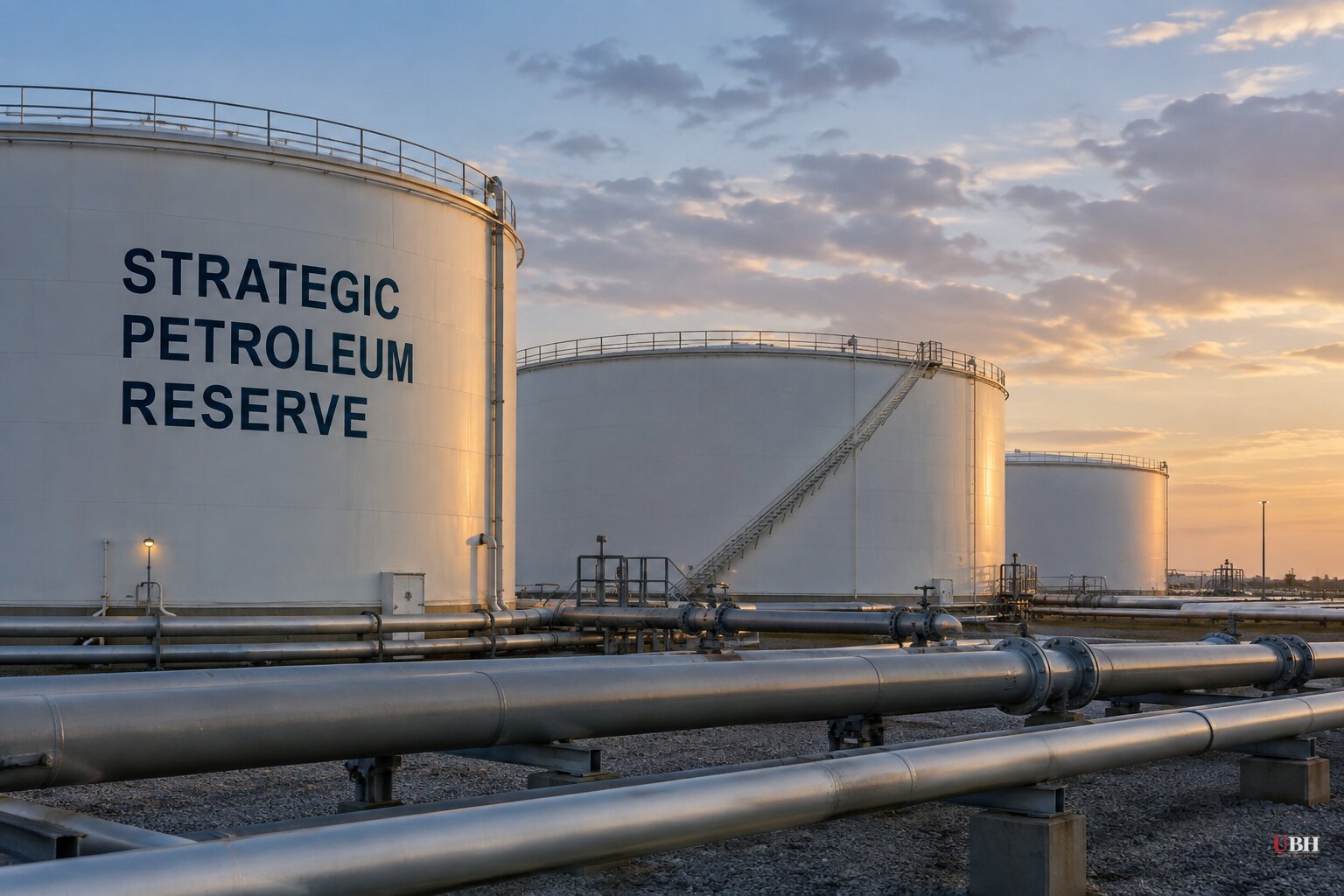
The Strategic Petroleum Reserve is about to get a lot smaller.
Speaking Tuesday at an EU energy ministers meeting in Dublin, International Energy Agency Executive Director Fatih Birol said the agency has already released 400 million barrels of crude from strategic reserves since March, when the U.S.-Iran conflict erupted. One-third of that release has yet to actually reach the market, according to Birol. He said 80% of overall IEA member stocks remain untouched.
"If there is a need, and if our member countries do agree with it, we are ready to act in order to address current and future market challenges," Birol told reporters. He added that another emergency release is "not the number one agenda for the IEA" right now, but the door is open.
While Birol was talking contingency plans, the U.S. Department of Energy was already moving. Bloomberg News reported, as cited by ZeroHedge, that the department requested an exchange of up to 40 million barrels from the SPR. That's a slice of a much bigger plan: a total of 172 million barrels the U.S. is looking to dump onto the market to keep crude prices in check as Hormuz-related supply disruptions drag on.
Do the math and that drawdown would push the SPR to roughly levels not seen since the early 1980s. Current reserves sit around 285 million barrels, according to DoE figures ZeroHedge cited. Draining the reserve to a four-decade low leaves less cushion if a genuine future emergency hits, whether that's another Middle East flare-up, a hurricane season disruption, or a geopolitical shock nobody's forecasting yet. A reserve that's been tapped this hard has less left to tap.
On the price side, there's some relief. Brent crude eased to $103.90 a barrel, helped by continued diplomatic efforts and the resumption of flows through Saudi Arabia's East-West pipeline, according to Commodity Context data cited by ZeroHedge. Kpler data showed weekend oil flows through the Strait of Hormuz reached 13 million barrels a day, about two-thirds of prewar levels.
Diesel is where the real pain sits. Euronews reported the EU's average diesel price hit a record €2.23 per litre last week, with France at €2.40 and Denmark at €2.56 per litre. The U.S. supplied around half of the EU's diesel imports in August, according to Euronews, which means any American export restriction lands hard on European consumers.
Euronews reported the European Commission has already called a potential U.S. diesel export ban "a bad idea" that would hurt both economies. Oxford Economics estimates a full ban could push European wholesale diesel prices up 40% to 50%, adding €0.50 to €0.60 per litre at the pump once VAT is included, and shaving a few tenths of a point onto inflation. Those are estimates for a full ban scenario, not a done deal, and no U.S. export restriction has been announced.
EU Energy Commissioner Dan Jørgensen used the Dublin meeting to hammer home the cost of the standoff. Europe has spent more than €100 billion ($113.5 billion) extra on energy imports since the Iran war began, he said, for "not one extra molecule of gas or oil." Jørgensen called for faster investment in electricity and power infrastructure to cut the bloc's reliance on imported fossil fuels, a reliance that grew after the EU cut off Russian energy following the 2022 invasion of Ukraine and leaned harder on U.S. diesel once EU sanctions on Russian oil products took effect in 2023.
ZeroHedge also reported the EU is considering delaying methane emissions requirements on imported oil and gas to shore up supply ahead of winter, a retreat that hasn't been confirmed in Euronews or other coverage of the Dublin meeting.
Goldman Sachs energy analyst Nikhil Bhandari warned last week, per ZeroHedge, that an ongoing global refining crunch could strain fuel markets well into 2027. If that holds, the question isn't whether the IEA and DoE will need to tap reserves again. It's how much will be left to tap when they do.
Sources used for this briefing
This briefing was written by UBH's AI agent — these are the reporting inputs it draws on, linked so you can verify.


