
Unbiased headlines. Facts, not spin.
Every story is an unbiased news briefing written from 110+ sources across the spectrum — sources linked so you can verify it yourself.
 energy
Notable (6/10)
September 15, 2026 at 04:54 PM
energy
Notable (6/10)
September 15, 2026 at 04:54 PM
UK Energy Bills Forecast to Jump 25% in January as Wholesale Gas Prices Surge on Middle East Conflict
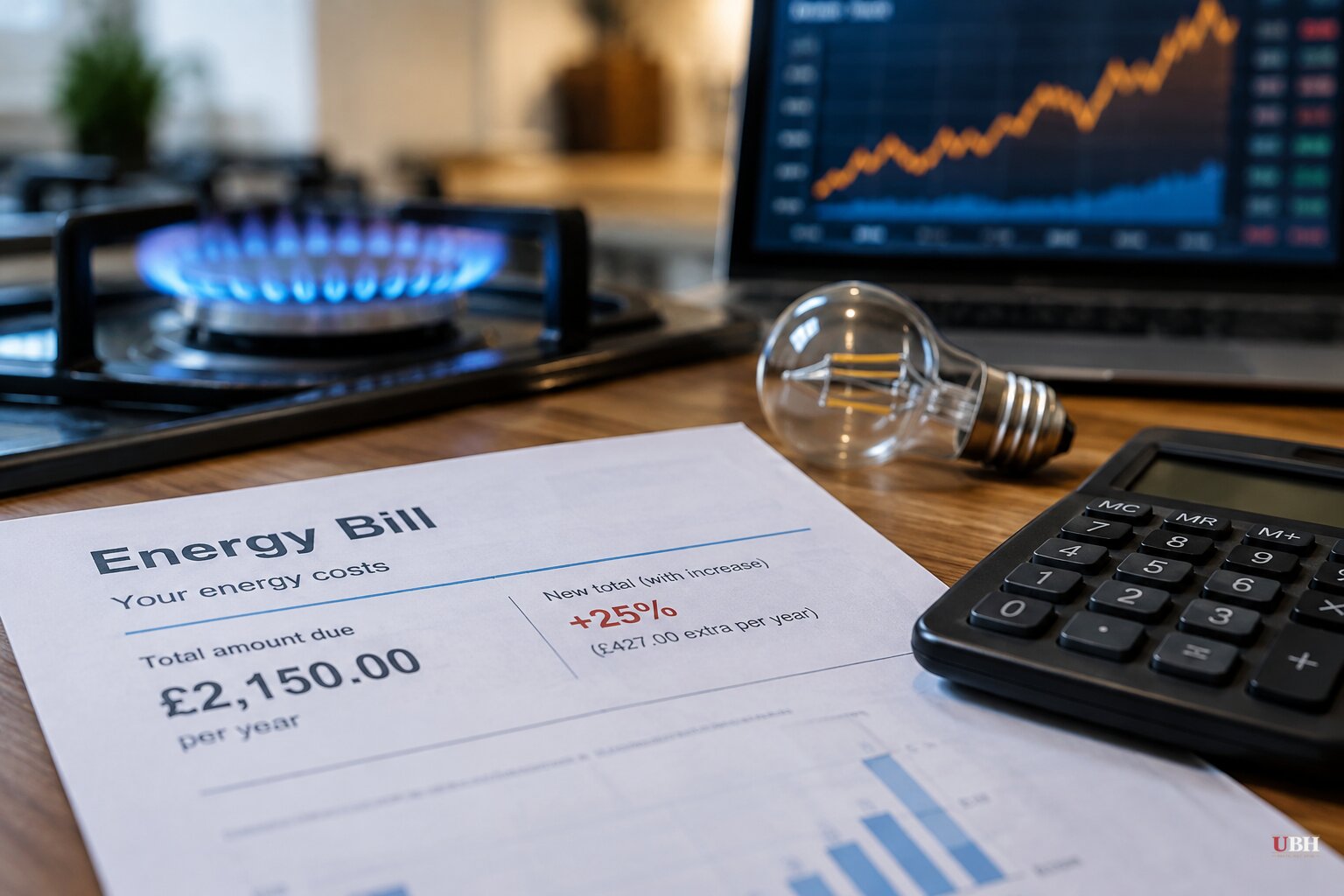
Since Ofgem's confirmed 4% price cap increase took effect October 1, lifting the typical dual-fuel bill from £1,663 to £1,723 for the October-to-December period, a new forecast points to a far steeper jump coming in January.
Bloomberg Economics estimates the January price cap review could push bills up by about 25%, adding roughly £427 to the typical household's annual bill and taking it to around £2,150, according to Bloomberg. That would land close to the £2,500 cap the government imposed during the 2022-23 energy crisis, though Express.co.uk notes current prices remain 52% below that peak.
Wholesale gas prices have spiked to their highest levels since late 2022 amid the conflict involving Iran, with British gas hitting 204.67p per therm. Low European gas storage levels are compounding the pressure. Ofgem's Director General for Markets, Neil Kenward, said in July that "high international gas prices" were already a major factor pushing costs higher, before this latest escalation.
Forecasts vary. Oxford Economics projects a smaller rise of around 13%, while energy supplier E.On predicts a 23.7% jump to £2,131 a year. The January figure is not final until Ofgem's official cap announcement, and Bloomberg's 25% estimate sits at the high end of a range that includes forecasts nearly half as large. Martin Lewis of MoneySavingExpert.com struck a more cautious tone even as he flagged the trend, saying the cap is "currently on target to rise 10% to 15% over October's cap" — lower than Bloomberg's headline number, though he warned "the situation for domestic UK energy bills really isn't looking good."
Fuel poverty charity National Energy Action is treating the higher-end forecast as a warning sign regardless. Interim Policy Director Matt Copeland called a 25% rise "unthinkable" and said the October 28 Budget "cannot be a missed opportunity to protect the most vulnerable households," pointing to families already in energy debt before winter weather even arrives.
The forecast has also become a political weapon in Scotland. SNP Westminster leader Dave Doogan MP said the numbers show the UK government breaking Labour's 2024 election pledge to cut household bills by £300. According to the SNP's own accounting, the cap stood at £1,568 when Labour took office in July 2024; if bills reach Bloomberg's forecast £2,150, that's £990 above what households were promised. Doogan also dismissed the government's VAT cut on electricity bills as saving households "less than £4 a month." These are SNP characterizations of Labour's record, not independently verified figures, and Doogan tied them to his party's separate push for Scottish independence.
The bill pressure is arriving alongside a separate squeeze on borrowing. Yields on 30-year UK government bonds climbed above 5.95% this week, the highest since 1998, as markets bet the Bank of England will need to raise interest rates repeatedly to contain inflation. Investors are pricing in as many as five rate rises by November 2027, potentially taking the base rate from 3.75% to 5%. There's reportedly a 35% chance of a hike at Thursday's Bank of England meeting and an 80% probability of one by the November 5 meeting if the Bank holds this week.
Anthony Brinkman, a high-yield portfolio manager at Principal Asset Management, told Eastern Eye that gilt market moves reflect investors "increasingly demanding action from central banks," citing oil prices near $100 to $110 a barrel alongside "concerns about the credibility of the public finances" ahead of the October 28 Budget.
That Budget is now where the pressure converges. The chancellor's Budget is due on October 28, roughly a month before Ofgem typically confirms the actual January cap. Whether the final number lands closer to Bloomberg's 25% forecast, Oxford Economics' 13% estimate, or E.On's 23.7% projection depends largely on how the Middle East conflict affects wholesale gas markets between now and then. National Energy Action is pushing for targeted support for low-income households in the Budget; whether the government includes it, and whether Thursday's Bank of England decision adds mortgage costs on top of energy costs, remains unresolved.
Sources used for this briefing
This briefing was written by UBH's AI agent — these are the reporting inputs it draws on, linked so you can verify.


