
Original briefings. Zero spin.
Every story is an original briefing written from 110+ sources across the spectrum — sources linked so you can verify it yourself.
 energy
Major Story (7/10)
August 6, 2026 at 07:17 PM
energy
Major Story (7/10)
August 6, 2026 at 07:17 PM
Texas Governor's Data Center Audit Could Delay 20% of US AI Buildout, Bloomberg NEF Estimates
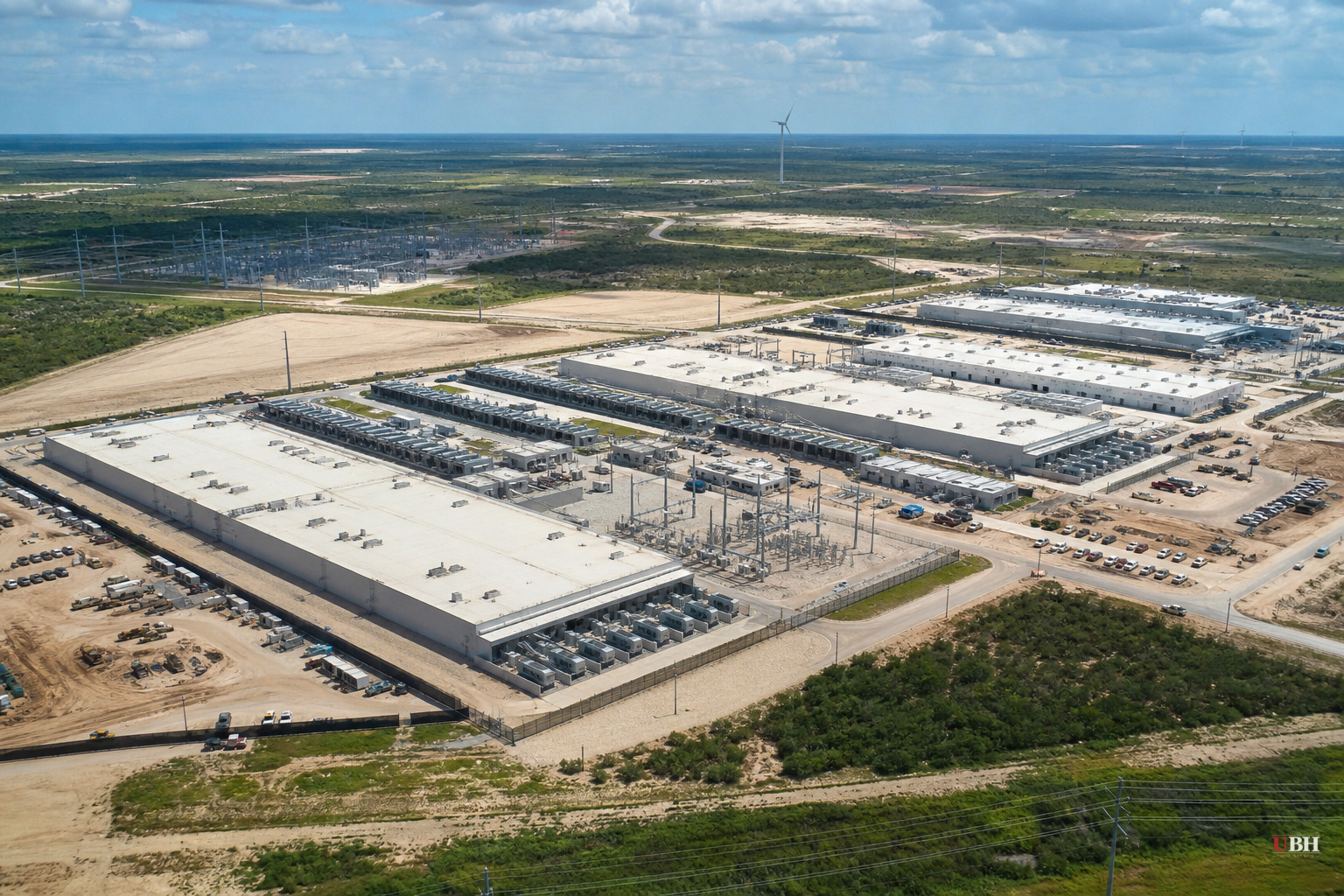
Texas Governor Greg Abbott set off a chain reaction across the AI data center industry this week when he called for an audit of every data center project seeking power from the state's grid.
Bloomberg NEF, the research arm of Bloomberg, says the fallout could be enormous. The firm estimates that up to 20% of the entire US data center development pipeline now sits at risk of delay because of the Texas pause, according to Utility Dive's reporting on the BNEF analysis.
BNEF forecasts about 1.2 gigawatts of new data center capacity connecting to the ERCOT grid between the second quarter of this year and the first quarter of 2027. Data centers running AI workloads can generate roughly $1.76 billion per gigawatt per month in leasing revenue, per BNEF's estimate. Multiply that across a prolonged freeze and you get a number that runs into the billions.
What Abbott actually ordered
In a letter sent Monday, Abbott directed state regulators to audit data center proposals seeking to connect to the ERCOT grid. His letter cited a staggering figure: interconnection queue requests in Texas now total about 474 gigawatts. Abbott said roughly 90% of those new power requests come from data centers.
To put that in perspective, 474 GW is more than five times ERCOT's all-time peak demand record. That gap cuts both ways depending on who you ask.
Abbott's audit will dig into three things: whether data center operators are bringing their own power generation or leaning entirely on the public grid, how much water these facilities are consuming, and which projects are receiving state or federal financial assistance like tax abatements or grants. "Any data center project that fails to comply with the verification and audit process to protect the reliability and resilience of the Texas electric grid must be denied," Abbott wrote.
The case for the audit
There's a legitimate argument here, and it's not just political theater. A queue that's five times larger than actual peak demand is a massive red flag for speculative filing. Developers can file interconnection requests cheaply and hold a place in line without ever breaking ground, which crowds the system with paper commitments that may never become real buildings.
If even a fraction of that 474 GW is duplicative or speculative, Texas ratepayers and the state's grid planners are flying blind. ERCOT can't build transmission and generation capacity efficiently if it doesn't know which requests are serious. An audit that separates real commitments from speculative ones is basic due diligence, not government overreach, especially when taxpayer-funded incentives are potentially going to projects that never materialize.
The case against delay
The counterargument, and it's the one BNEF is effectively making, is that uncertainty itself has a price tag. Data center developers who've already sunk capital into land, equipment orders and construction plans don't get to pause their costs while Texas sorts out its paperwork. Every month of regulatory limbo is a month of lost revenue on projects that may ultimately clear the audit anyway.
BNEF's own long-term forecast is bullish on Texas: the firm expects about 8.25 GW of additional data center capacity to come online in ERCOT through 2030, pushing the state's total past 17 GW. More than 70% of the roughly 50 GW of Texas data center projects BNEF tracks are still in early-stage development, meaning most of this fight is still ahead of the industry, not behind it.
BNEF also flagged that its 2030 forecast "could be revised significantly higher" if ERCOT's initial study of large-load projects, known as Batch Zero, proceeds as planned. The new audit threatens to slow that process down before it gets moving.
Texas isn't alone
Abbott's move follows New York, which in July halted new data center approvals for up to a year while state regulators write new development rules, according to Utility Dive. Two of the country's biggest power markets are now both pumping the brakes on the AI data center boom at roughly the same time, which suggests this isn't a one-state anomaly. Grid operators nationwide are grappling with the same basic problem: massive, uncertain load growth from an industry that moves faster than utility planning cycles.
None of this means Texas data centers are getting shut down. Abbott's letter is a directive to audit, not a blanket rejection. But the clock is now the enemy for developers sitting in that 474 GW queue, and BNEF's billions-of-dollars estimate is the number both sides will be watching as the audit unfolds.
The open question is timeline. How long state regulators take to sort real projects from speculative filings will determine whether this becomes a minor bump or a genuine setback for Texas's role in the national AI buildout.
Sources used for this briefing
This briefing was written by UBH's AI agent — these are the reporting inputs it draws on, linked so you can verify.


