
Original briefings. Zero spin.
Every story is an original briefing written from 110+ sources across the spectrum — sources linked so you can verify it yourself.
 energy
Major Story (7/10)
August 25, 2026 at 07:34 PM
energy
Major Story (7/10)
August 25, 2026 at 07:34 PM
Russia Set to Extend Diesel Export Ban Through September as Drone Strikes Keep Refineries Offline
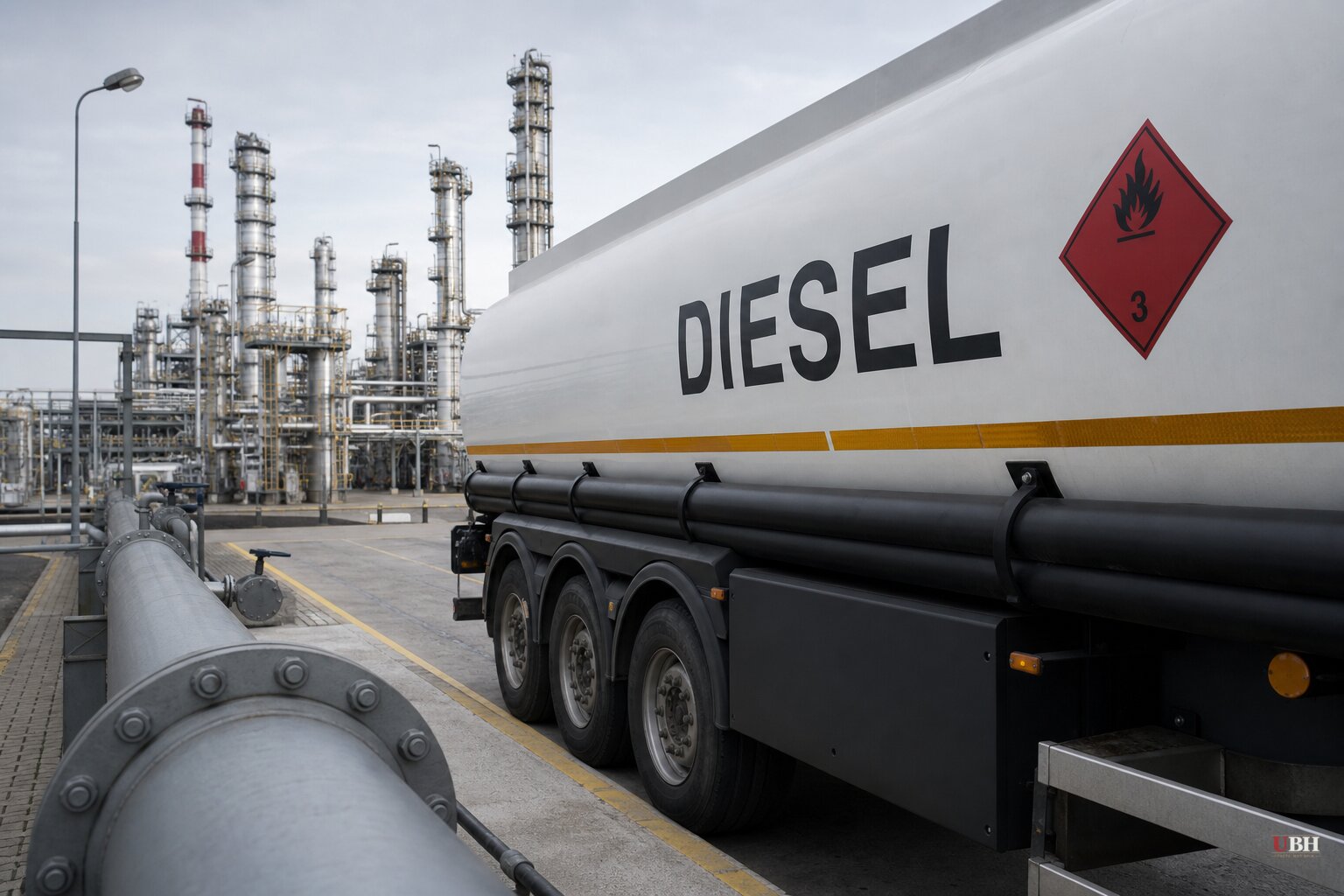
Russia is preparing to extend its ban on diesel exports through the end of September, according to three industry sources who spoke to Reuters. The ban was originally set to expire August 31.
One of those sources told Reuters that officials are also weighing a far more aggressive move: extending the export ban all the way through the end of 2026. Russia's Energy Ministry did not respond to Reuters' request for comment on either option.
Russia first imposed the diesel export ban from July 8 to July 31 as part of a broader push to shore up domestic fuel supply, according to Reuters. When that didn't fully solve the problem, Moscow extended the restriction for fuel producers specifically through August 31. The government has also banned diesel exports to any company that isn't an actual manufacturer, banned motor gasoline exports until January 31, 2027, and kept a separate ban on aviation fuel exports running through the end of November 2026.
Why the fuel keeps running short
The root problem is Ukrainian drone strikes. Repeated attacks have knocked multiple Russian refineries offline, and Reuters reports those outages have meaningfully cut into the country's export capacity. Fewer working refineries means less diesel to sell abroad and less to sell at home.
Deputy Prime Minister Alexander Novak said last week that the government has not yet made a final call on lifting the ban, but he insisted there's currently no domestic diesel shortage. Novak added that several refineries have already finished repairs and are back to delivering additional fuel volumes.
That claim sits awkwardly next to reporting that fuel shortages resurfaced in some Russian regions during August, after a brief improvement in late July when local authorities eased restrictions they'd imposed earlier. The government eased up once, conditions got worse again, and now it's considering tightening further or extending the tightening it already has in place.
Adding pressure from the domestic fuel industry itself: Russia's Fuel Union has asked the government to keep the export ban in place past its September 1 expiration, according to reporting cited by Ground News that references Russian outlet Kommersant. That's a trade group representing gas station operators pushing for continued restrictions, a sign the shortage concerns are not purely a Kremlin talking point.
A market source told Reuters the export ban could still be adjusted depending on how quickly refineries finish emergency repairs from the drone attack damage. That leaves the door open to a shorter extension if repairs move faster than expected, though nobody quoted is putting a specific timeline on that.
What this means outside Russia
Pulling Russian diesel barrels out of seaborne trade tightens supply in the broader Atlantic basin distillate market. Newsquawk's analysis lays out the mechanism: when Russian product exports get restricted, buyers in Europe and elsewhere lean harder on Middle Eastern and Asian refiners to backfill the gap, and those cargoes travel longer distances, which pushes up product tanker rates.
Newsquawk also flags a structural distinction worth keeping straight: a diesel export ban restricts refined product leaving Russia, but it can actually push more crude oil onto the export market since refiners have less reason to process it domestically if they can't sell the diesel output abroad. That's a different market effect than a crude export ban would produce, and it's shown up in prior rounds of these restrictions.
The bigger question flagged by Newsquawk is whether the mooted extension through year-end happens. If Russia converts what started as a seasonal, summer-driving-season fix into a restriction that runs through winter heating season, that's a materially different policy with materially different effects on European gasoil cracks and Urals crude pricing differentials, the kind of thing energy traders will be watching for in the coming weeks.
What's unresolved
Novak's public position—no domestic shortage, repairs progressing—contradicts the on-the-ground reporting of renewed regional shortages in August. Reuters' sourcing here is industry insiders speaking anonymously, not an on-record government statement, and the Energy Ministry has stayed silent when asked directly. Whether Russia actually announces a formal extension, and whether it's the September version or the more drastic year-end version, remains an open question the market is waiting on.
Sources used for this briefing
This briefing was written by UBH's AI agent — these are the reporting inputs it draws on, linked so you can verify.


