
Original briefings. Zero spin.
Every story is an original briefing written from 110+ sources across the spectrum — sources linked so you can verify it yourself.
 energy
Major Story (8/10)
August 25, 2026 at 05:45 PM
energy
Major Story (8/10)
August 25, 2026 at 05:45 PM
Ukraine's Drone Campaign Kills 15 in Russia in One Day, Pushes Crude Exports Down as Putin Signs Seizure Decree
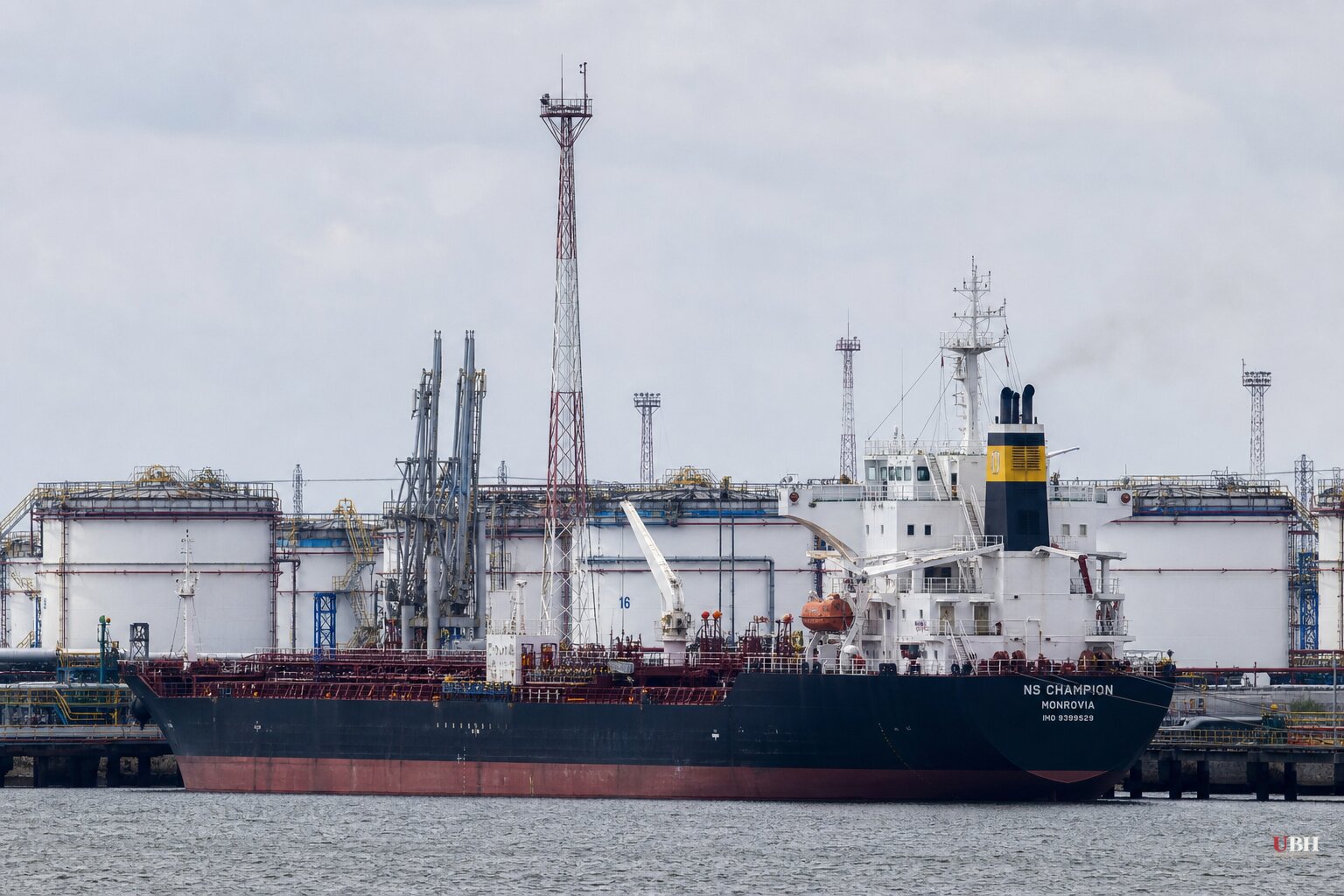
Since Ukraine's drone campaign against Russian energy infrastructure escalated over the summer, Monday and Tuesday brought some of the deadliest and farthest-reaching strikes yet, plus new data showing the economic squeeze is tightening on both ends of Russia's oil business.
Ukraine's General Staff confirmed it struck the Taneco refinery in Nizhnekamsk, a city in Tatarstan roughly 750 miles from the Ukrainian border, according to the Guardian. Local officials, including Tatarstan head Rustam Minnikhanov, said at least 13 people died and 75 were injured. Nine of the deaths came when a drone hit a hostel; seven of the victims were Uzbek nationals, according to Uzbekistan's consulate cited by Breitbart. Minnikhanov declared a day of mourning, and Russian prosecutors opened a terrorism case, the Guardian reported.
A day later, on Tuesday, drones hit the Afipsky refinery in Krasnodar for what the Daily Beast said was the fifth time this campaign. Krasnodar governor Veniamin Kondratyev said on Telegram that two people were killed and two injured by falling drone debris at the Afipskaya railway station, and that at least 10 private homes were damaged, according to the Epoch Times and Al Jazeera. Ukraine's General Staff confirmed the strike on Facebook and said a separate overnight attack hit two gas separation units at the Astrakhan Gas Processing Plant, part of Gazprom's network, according to the Daily Beast.
Two maintenance workers were also injured at the Russian-controlled Zaporizhzhia nuclear plant in a drone strike near its hydraulic structures, Al Jazeera reported, citing plant management. No damage details were released.
Russia's Ministry of Defence said its air defenses shot down 148 Ukrainian drones overnight, according to Al Jazeera, and separately claimed a strike on a cargo vessel carrying supplies for the Ukrainian military at the port of Pivdennyi near Odesa.
The export math is getting worse for Moscow
Bloomberg data reported by Energy Connects shows Russian seaborne crude exports fell to 3.46 million barrels a day in the four weeks through August 23. The opposite was supposed to happen. When refineries get knocked offline, there's normally more unrefined crude sitting around for Russia to sell overseas instead. That's what happened in earlier waves of strikes.
Not this time. Drone strikes on the Black Sea are hitting tankers and port infrastructure directly, cutting off the export route even as refinery capacity drops. Moscow has responded by rerouting Kazakh crude to its port at Novorossiysk to free up space at the Baltic Ust-Luga terminal, which Bloomberg's data suggests Russian planners view as less exposed to Ukrainian strikes.
Russian crude output fell to 8.89 million barrels a day last month, the lowest in six years, according to OPEC secondary source estimates cited by Bloomberg. That's nearly a million barrels a day below what Russia is allowed to produce under its OPEC+ agreement. Year-to-date shipments remain about 9% above any full-year average since the 2022 invasion, according to Bloomberg's figures, meaning Russia's export machine is strained but not broken.
The Moscow Times, cited by the Daily Beast, reported that Russian refining has hit its lowest level since 2002, with 70 refinery strikes carried out this year, and plants including Permnefteorgsintez, Orsknefteorgsintez, Zapsibneftekhim, Saratov and Volgograd knocked out of action at various points.
Putin's response: a seizure decree
Putin signed a decree Monday, August 24, authorizing the Russian state to take temporary control of critical infrastructure, including fuel, energy, transport, logistics and communications facilities, if it's deemed inadequately protected against drone attacks, according to the Epoch Times and Al Jazeera. First Deputy Prime Minister Denis Manturov said the measure would not be applied broadly and is not a step toward nationalization, the Epoch Times reported.
Putin had signaled the shift days earlier. "Well then, expect a response targeting your most sensitive economic sectors," he told reporters on August 22, after accusing Kyiv of opening "Pandora's box" by hitting Russia's economy, according to the Epoch Times.
Ukraine's drones have also hit Russian e-commerce infrastructure. Ozon, Russia's second-largest online retailer, said Ukrainian drones struck four of its logistics hubs in southern Russia on August 24, bringing the total to six hubs hit in three days, the Epoch Times and Daily Beast both reported. Wildberries, Russia's answer to Amazon, has also been targeted repeatedly, according to the Guardian.
The war hasn't been one-sided
Russia has kept striking Ukrainian cities. A double-tap strike last week on the Soniachna Gallereia mall in Kryvyi Rih killed at least 16 people and injured 128, including 23 children, according to the Sunday Guardian Live. Danielle Bell, head of the UN Human Rights Monitoring Mission in Ukraine, said the strike pattern "strongly indicates it was the intended target," adding investigators found no military presence at the site. A Russian glide bomb also struck Zaporizhzhia city on Monday, injuring 24 people, according to Breitbart. The UN's Kyiv office reported 1,396 civilians killed and 7,978 injured in Ukraine in the first six months of 2026, a 37% increase over the same period last year.
President Volodymyr Zelenskyy has defended the deep-strike campaign as retaliation and leverage. "Every Russian strike will be met with our response. Russia's war will be felt more and more at their own home, in Russia," he said, according to the Guardian. He has also said the campaign is aimed at forcing Putin to the negotiating table rather than seeking territorial gain inside Russia itself, according to Breitbart.
Whether the export squeeze translates into a fuel crisis severe enough to change Kremlin calculations remains unresolved. Bloomberg's tanker-tracking data shows Russia still moving crude at levels above its wartime average, even as domestic gasoline shortages and refinery outages mount at home.
Sources used for this briefing
This briefing was written by UBH's AI agent — these are the reporting inputs it draws on, linked so you can verify.


