
Unbiased headlines. Facts, not spin.
Unbiased Headlines is an independently owned news organization. We bring you the facts, not opinions, written fresh from 110+ named sources. Sources linked so you can verify it yourself.
 energy
Major Story (8/10)
Event date: October 30, 2026 ·
Von der Leyen Says Hormuz Closure Has Cost Europe an Extra €127 Billion, Up From €106 Billion in Mid-October
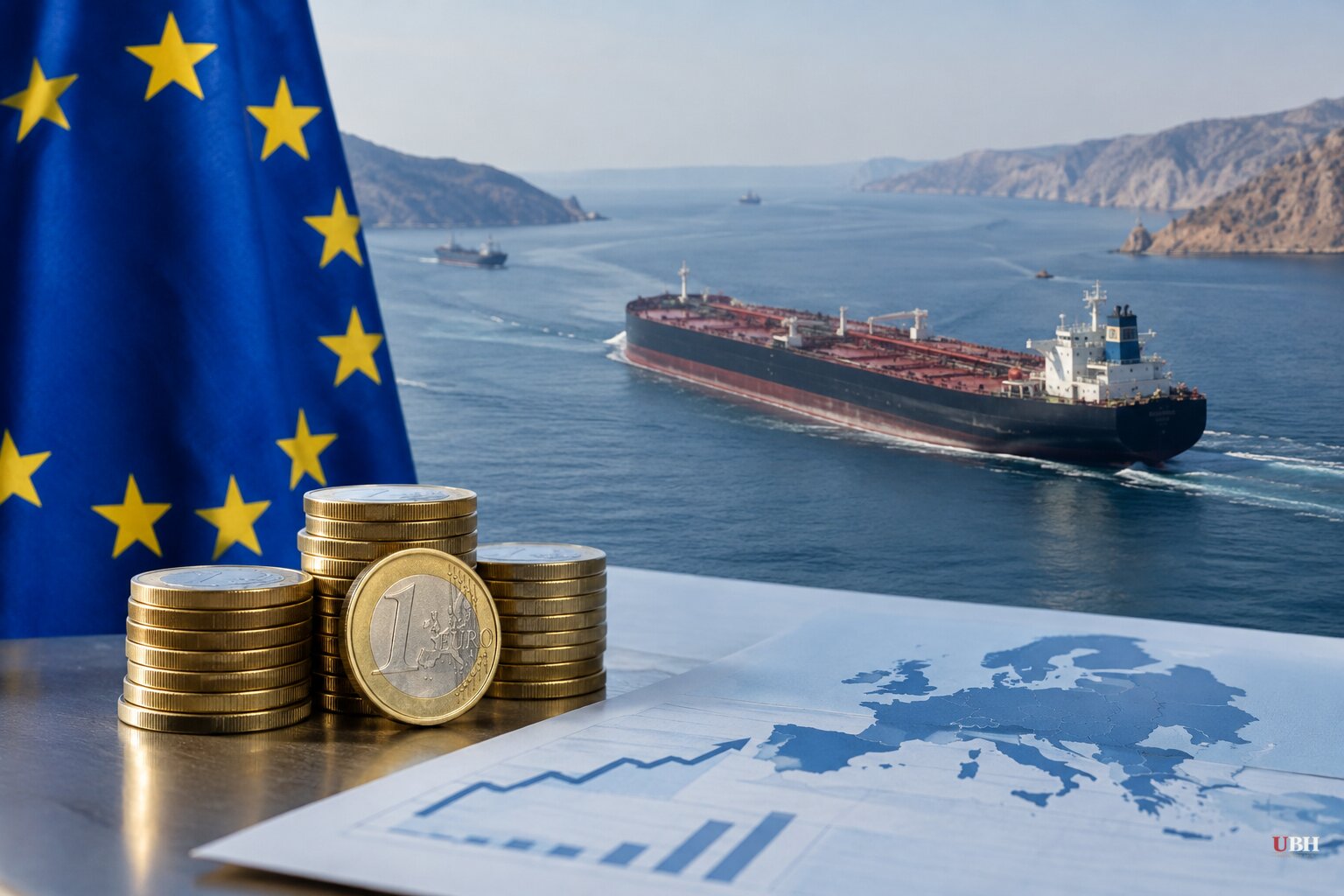
Since the Iran war began in February and shut the Strait of Hormuz, the European Commission's tally of extra energy import costs has climbed from €24 billion in April to €127 billion as of Nov. 3.
Von der Leyen gave the new number in a keynote at the WinWin Brussels Summit. "Since the closure of the Strait of Hormuz, imported fossil fuels cost Europe an additional €127 billion without a single molecule of energy in addition," she said.
That is roughly $142 billion. It is also up from the €106 billion she cited at an EU summit on Oct. 16.
How the number has grown
The Commission put the extra cost at €24 billion about seven weeks into the war. By late September, EU energy commissioner Dan Jørgensen said it had passed €100 billion. He said the bloc had not received "one extra molecule of gas or oil."
The framing from the Commission is that Europe is paying more without receiving any additional energy in return.
Spanish Prime Minister Pedro Sánchez used a similar number at a Brussels press conference after a European Council summit. He said the Iran war had cost Europeans more than €100 billion and that his government had approved more than €12 billion in relief measures. "Those of us who raised our voices against the war were right when we said NO to war," he wrote on X.
Storage is the next pressure point
The International Energy Agency said Tuesday that EU gas storage is entering the heating season at its lowest level since 2013. In a cold winter with continued Hormuz disruption, the agency warned, storage could fall below 10% by the end of March.
EU storage stood at just 28.4% in late March, below the five-year average, after a cold winter. The Persian Gulf also supplied more than 40% of Europe's jet fuel and diesel imports before the war.
European gas prices were already rising last week. ING commodities head Warren Patterson wrote Thursday that the TTF benchmark had settled 4.85% higher and moved above €100 per megawatt-hour for the first time since 2022. He saw "little sign of imminent relief in Persian Gulf LNG flows" and said QatarEnergy had reportedly extended force majeure declarations for several buyers until the end of the year. His note put EU gas storage facilities just below 75% full at that point, with more sustained seasonal withdrawals expected as temperatures fall.
Oil has been volatile. The December Brent contract, which expired Oct. 30, rose to $117.14 a barrel that day, and Brent was on track for a gain of about 13% for October.
What drivers and households are paying
By September, drivers in some EU countries were paying nearly 50% more at the pump. In Italy, a weeklong truckers' strike over diesel prices halted milk deliveries to mozzarella makers, and inflation hit 5.4%.
EU officials expect oil and gas prices to stay above prewar levels until at least the end of 2027.
Last week Jørgensen backed an increase in EU oil refining capacity for the first time in a decade, amid a diesel crisis across the bloc. He called the step temporary and said the EU has no plan to revise its long-term phase-out of oil.
Von der Leyen drew the policy lesson she has drawn before. "When we import oil and gas, we risk importing the shocks and crises that come with them," she said. She reaffirmed the Commission's goal of net-zero emissions by 2050.
Washington and Tehran dispute who ends the closure
The war's two principal parties still blame each other for the closure. Iranian Army spokesperson Mohammad Akraminia said last week, "If America leaves the region, the Strait of Hormuz will reopen," adding, "If it doesn't leave, we'll expel it."
President Donald Trump told a Montana rally that Iran no longer has a navy or air force and that its leaders are gone. He said Iran's main request in negotiations is to be allowed to live.
Shipping attacks have continued. The UK Maritime Trade Operations center reported a tanker struck by an unknown projectile as it left the strait last Thursday. It also reported an outbound vessel on fire about 25 nautical miles northeast of Khasab, Oman, and a dhow that sank after a fire about nine nautical miles north of the port.
Who is gaining
Some suppliers outside the Gulf have benefited. Data from the Brazil-China Business Council show Brazilian oil sales to China reached a record $21.8 billion through September, up 49% from the previous year. China now buys about half of Brazil's oil exports.
The same reporting says Brazilian export growth appears to be tapering as Gulf flows partly recovered. Industry analysts noted that Brazil lacks the capacity to fully replace what the Gulf producers lost.
What comes next
Patterson wrote that the outlook "appears more dire amid the risk of renewed U.S. strikes on Iran following the U.S. midterm elections." At the time of his Thursday note, he described the elections as "next week."
The Commission's figure has risen from €106 billion in mid-October to €127 billion. The next test is whether Hormuz flows recover before EU storage is drawn down through the winter.
Sources used for this briefing
7 links from 7 independent newsrooms (syndicated copies of the same report count once)
These are the sources it draws on, linked so you can verify.


