
Unbiased headlines. Facts, not spin.
Unbiased Headlines is an independently owned news organization. We bring you the facts, not opinions, written fresh from 110+ named sources. Sources linked so you can verify it yourself.
 energy
Breaking / Critical (9/10)
Event date: October 31, 2026 ·
IMO Says 34 Ships Attacked Near Hormuz in October, a Record, as U.S. Strikes Iranian Targets on Eve of Midterms
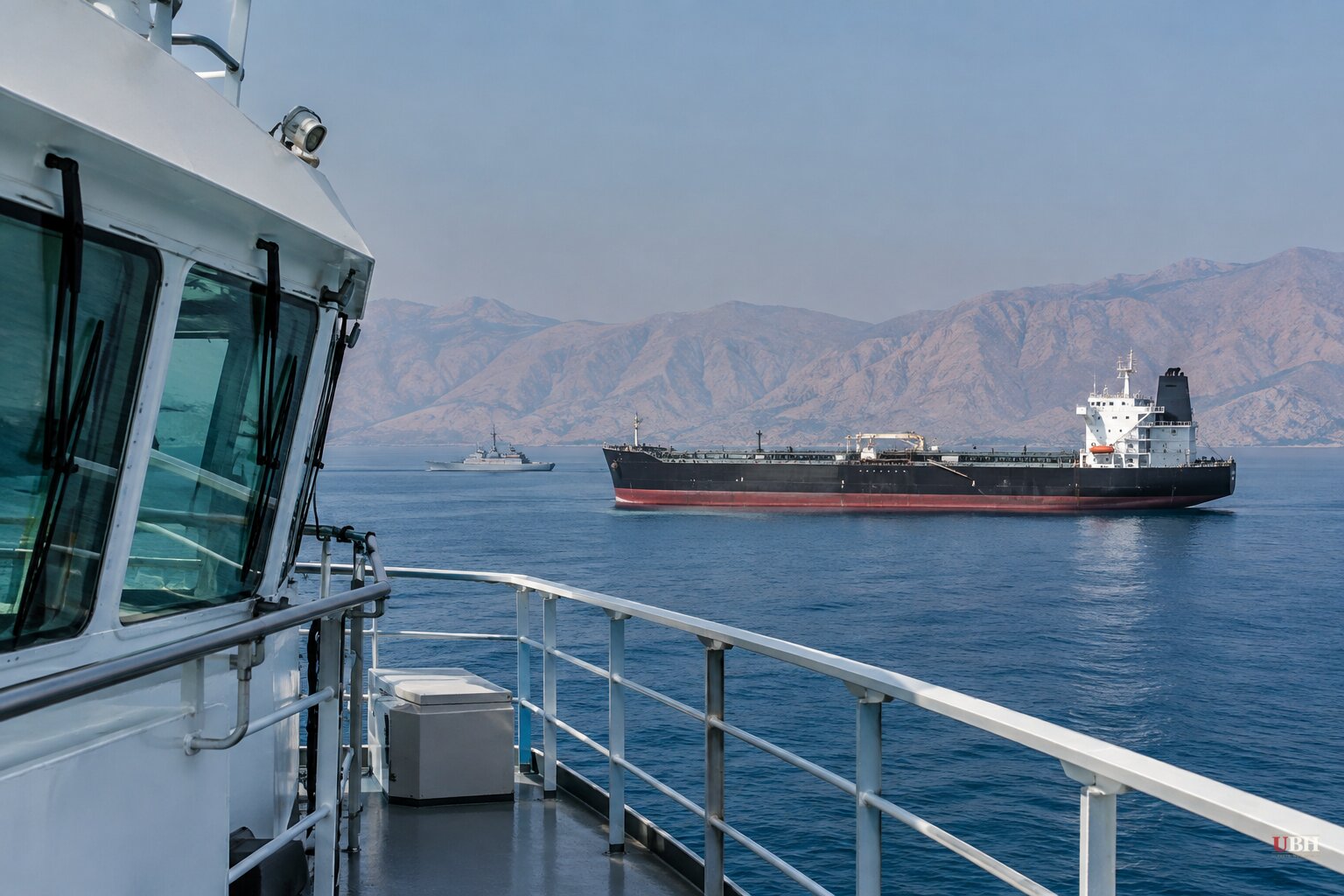
Since the string of Hormuz attacks in late October and the three further incidents reported Sunday, Nov. 1, the full-month tally has come in, and the U.S. military has now struck back at Iranian targets.
October sets the record
Arsenio Dominguez, secretary-general of the International Maritime Organization, told the agency's annual council on Monday that at least 125 ships have been attacked in and around the Strait of Hormuz since the U.S.-Israeli war with Iran began in late February. Of those, 34 came in October.
UKMTO data, as relayed by Al Jazeera, puts October at at least 35 attacks. March was the next-worst month at roughly 30.
Noam Raydan of the Washington Institute for Near East Policy, who keeps an interactive incident map, had logged 28 confirmed and reported October attacks and 113 since Feb. 28 as of Oct. 26. He said October was the highest on record. Marisks, a Greece-based consultancy, said a dozen ships were hit between Oct. 5 and Oct. 11, the worst single week of the conflict.
Dominguez said the real number is probably higher. Ships flying false flags or sailing under fraudulent registries tend not to declare attacks, he said. Shadow tankers that switch off their Automatic Identification Systems add to the blind spot.
Mines, transits and stranded ships
Admiral Brad Cooper, head of U.S. Central Command, said last week that the primary shipping routes through the strait are free of mines. Iran has made conflicting claims.
Dominguez said he cannot confirm that. "There's no confirmation that there are no mines in the region, so I cannot guarantee that it is safe," he said, adding that the IMO is telling ships to stay away.
About 12 ships a day are still crossing despite those advisories, according to the IMO. An estimated 350 to 400 ships remain stranded in the Gulf since the war began.
Iran and Oman are negotiating a proposal for "voluntary contributions" from shipping companies, modeled on a scheme in the Strait of Malacca.
The Islamic Revolutionary Guard Corps has stated its position. It says it has the right to attack any vessel that tries to pass without its permission or with its transponders off. The IRGC claimed Friday that at least four vessels caught fire after hitting naval mines in and around the strait.
Why Iran is escalating, per those who track it
Raydan said Iran is intensifying the attacks to slow the recovery in shipments and keep pressure on global energy markets ahead of the U.S. midterms. Reuters reported earlier in October, citing two senior Iranian officials, that Tehran had adopted that tactic.
Attacks have drawn more tankers into the crossfire. A Reuters review of IMO and MarineTraffic data found more than 30 supertankers damaged since the war began, 11 of them in October. That is about 3.5% of the global fleet of more than 900. Shipowners have kept loading inside the Gulf, lured by daily freight rates above $1 million and steeper discounts from regional producers.
U.S. strikes on the eve of the vote
A U.S. official, speaking anonymously to the AP, said American forces carried out defensive strikes Monday on Iranian targets in the strait. The official said "Iranians using surface to air missiles against U.S. assets" were targeted. Iranian state television reported explosions on Qeshm Island.
The strikes appeared limited rather than a return to full hostilities. They came after President Trump said the U.S. would not launch new strikes on Iran before Tuesday's midterms. The administration was last known to have carried out attacks in early September. Thousands of U.S. troops remain offshore enforcing a naval blockade on Iranian oil, and a third aircraft carrier is heading to the region.
Vice President JD Vance sent a letter last week to Iran's security chief, Mohsen Rezaei. The White House has given few details, and Trump said it concerned "medical supplies and various things."
"The president and I both feel pretty good about the prospects for potentially coming to a negotiated settlement," Vance told reporters Monday.
Two regional officials and a third person familiar with the matter told the AP that Israeli Prime Minister Benjamin Netanyahu has pushed for another wave of strikes after the U.S. elections.
Oil and the road ahead
Brent and WTI futures fell sharply on the renewed diplomacy, according to a ZeroHedge market report. UniCredit strategist Tobias Keller said physical flows through Hormuz have recovered to at least 80% of pre-war levels, with some estimates showing a larger rebound on alternative routes such as Saudi shipments through the Red Sea.
The recovery has come at a cost, he said. Shipping is more expensive and less predictable, and depleted inventories leave little room to absorb another shock. Keller said a return to pre-war market conditions "may take longer than previously assumed."
He flagged the political calendar as a risk. Qatari-mediated talks have raised hopes of a settlement, but he said markets could face renewed volatility if the post-election period brings escalation or diplomatic delay.
It is unclear what the administration does once the polls close. Trump's pledge covered only the days before Tuesday's vote, and no deal has been announced.
Sources used for this briefing
7 links from 7 independent newsrooms (syndicated copies of the same report count once)
These are the sources it draws on, linked so you can verify.


