
Unbiased headlines. Facts, not spin.
Unbiased Headlines is an independently owned news organization. We bring you the facts, not opinions, written fresh from 110+ named sources. Sources linked so you can verify it yourself.
 energy
Major Story (8/10)
Oil Edges Higher in Asian Trading After Qeshm Strike Reports, Recovering Little of Monday's 7% Drop
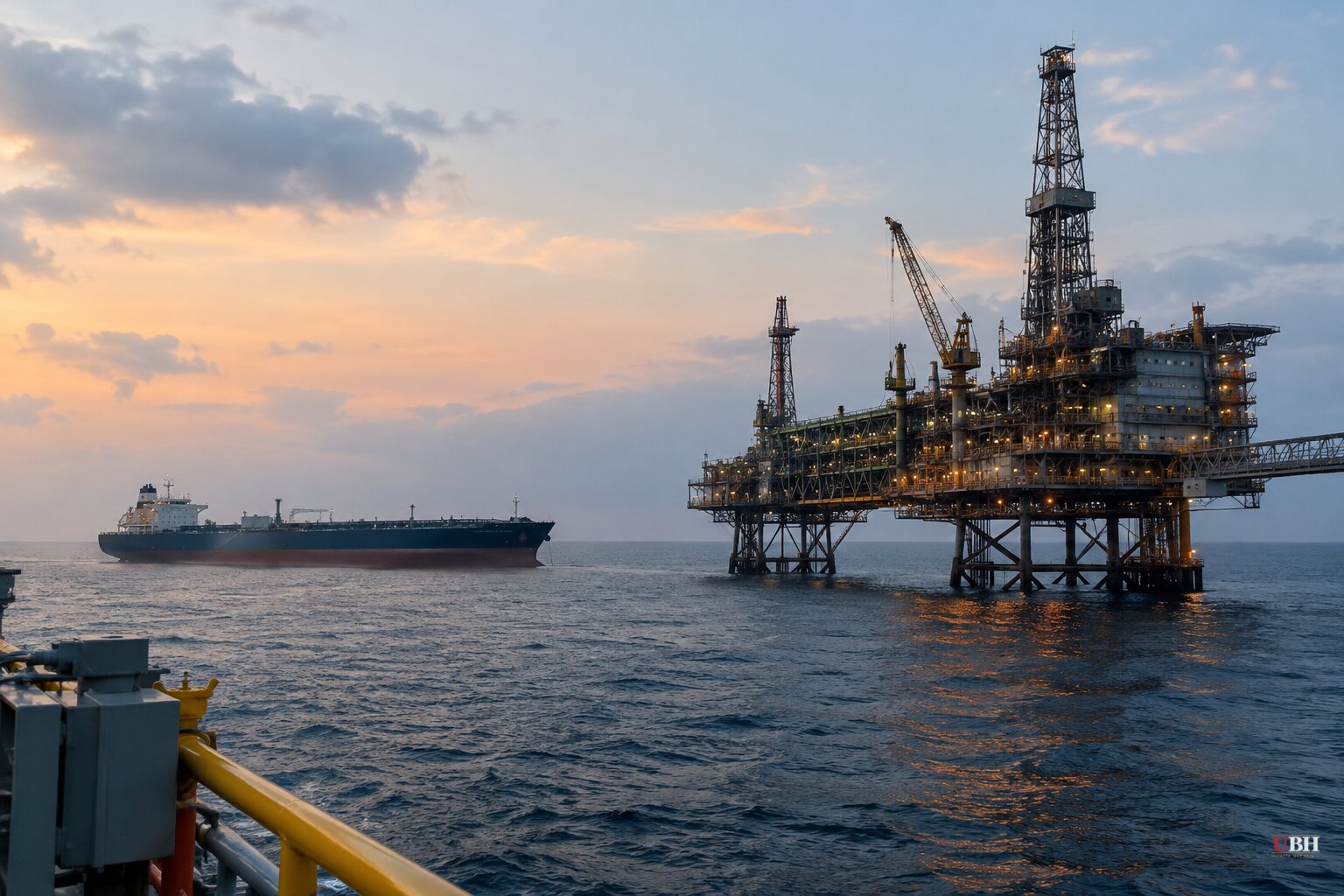
Since reports emerged of U.S. strikes on Iran's Qeshm Island on Monday, Nov. 2, crude has bounced in early Asian trading today, Nov. 3. The move is modest.
Brent crude futures rose 48 cents, or 0.5%, to $105.25 a barrel by 0104 GMT. West Texas Intermediate gained 47 cents, or 0.5%, to $96.93. Later quotes ranged from Brent at $105.38 and WTI at $97.17 (up 0.58% and 0.73%) to a much flatter $104.80 and $96.66 by 0355 GMT, up only 3 cents and 20 cents.
That range shows the pattern. Prices ticked up, then lost momentum.
What the strikes did to pricing
Monday's settlement is the baseline. Brent closed at $104.77, down $8.66 or 7.63%. Both Brent and WTI dropped more than 7% on Monday as talks between Iranian and Qatari officials lifted hopes for an end to the war.
The Qeshm strike reports pushed some of that back out. "The report added a degree of risk premium back into the oil price," said Tim Waterer, chief market analyst at KCM Trade. "Just when markets were starting to price in a more diplomatic path, this reminder of ongoing military activity has flipped the tone."
Not everyone sees a lasting move. Priyanka Sachdeva, head of market insight at Phillip Nova, said the inability of prices to hold their early gains suggests "a substantial geopolitical risk premium is already embedded in oil prices." Her view: "Unless there is concrete evidence of further disruption to physical supplies or critical energy infrastructure, fresh headlines alone may struggle to sustain another rally."
What officials say the strikes were
The Wall Street Journal, citing U.S. officials, reported that the strikes were part of a series of limited attacks in recent weeks that Washington has not publicly announced. Several officials described them as defensive, meant to prevent Iran from attacking commercial ships in the Strait of Hormuz. The administration reportedly sought to keep them low-profile to avoid signaling a return to large-scale military action.
A U.S. official separately said the Monday strike answered Iranian fire at a U.S. aircraft and does not indicate a return to U.S. military strikes on Iran or the beginning of an escalation. Iran's IRNA news agency reported five explosions in succession on the island, and residents told it they saw two aircraft overhead.
Qeshm sits near the entrance to the Strait. It hosts an underground missile site, a naval base and a major desalination plant.
Diplomacy is still running
Tehran said Monday that contacts with Washington aimed at ending the war are continuing. Days of talks with Qatari mediators produced revised proposals but no breakthrough. Iranian Foreign Ministry spokesperson Esmail Baghaei said the next move rests with Washington, and Iranian officials have warned the country would retaliate if the U.S. reignites the conflict.
Iranian President Masoud Pezeshkian said Supreme Leader Ayatollah Mojtaba Khamenei has granted the government certain authorities to pursue peace negotiations.
Trump, asked Monday whether he was weighing fresh attacks after the midterms, said "no." He also said a deal remains possible and raised doubts about following through on threatened strikes. On Fox's "Hannity," he called the conflict "a very soft war" and said U.S. forces could hit further targets "in one hour."
Those statements sit awkwardly next to reports of a string of unannounced strikes, the latest one a day before voters go to the polls.
The backdrop
The war began in late February. It has sharply reduced traffic through the Strait of Hormuz, which carried about a fifth of global crude and natural gas supplies before the conflict. The Iran war is a leading cause of high gasoline prices that are weighing on voters, and Trump is under pressure to end it.
Brent ended October at its highest in six months on fears the conflict could escalate again after the midterms. Today, Nov. 3, is Election Day.
It is unclear whether the Qatari-mediated talks turn into a deal or the limited strikes widen after the vote. Markets have shown they will trade both ways within a single session.
Sources used for this briefing
7 links from 7 independent newsrooms (syndicated copies of the same report count once)
These are the sources it draws on, linked so you can verify.


