
Unbiased headlines. Facts, not spin.
Unbiased Headlines is an independently owned news organization. We bring you the facts, not opinions, written fresh from 110+ named sources. Sources linked so you can verify it yourself.
 energy
Major Story (8/10)
Tug and Two Other Vessels Struck in Gulf and Hormuz on Sunday as Iran Says It Could Reopen Strait Within Two Days
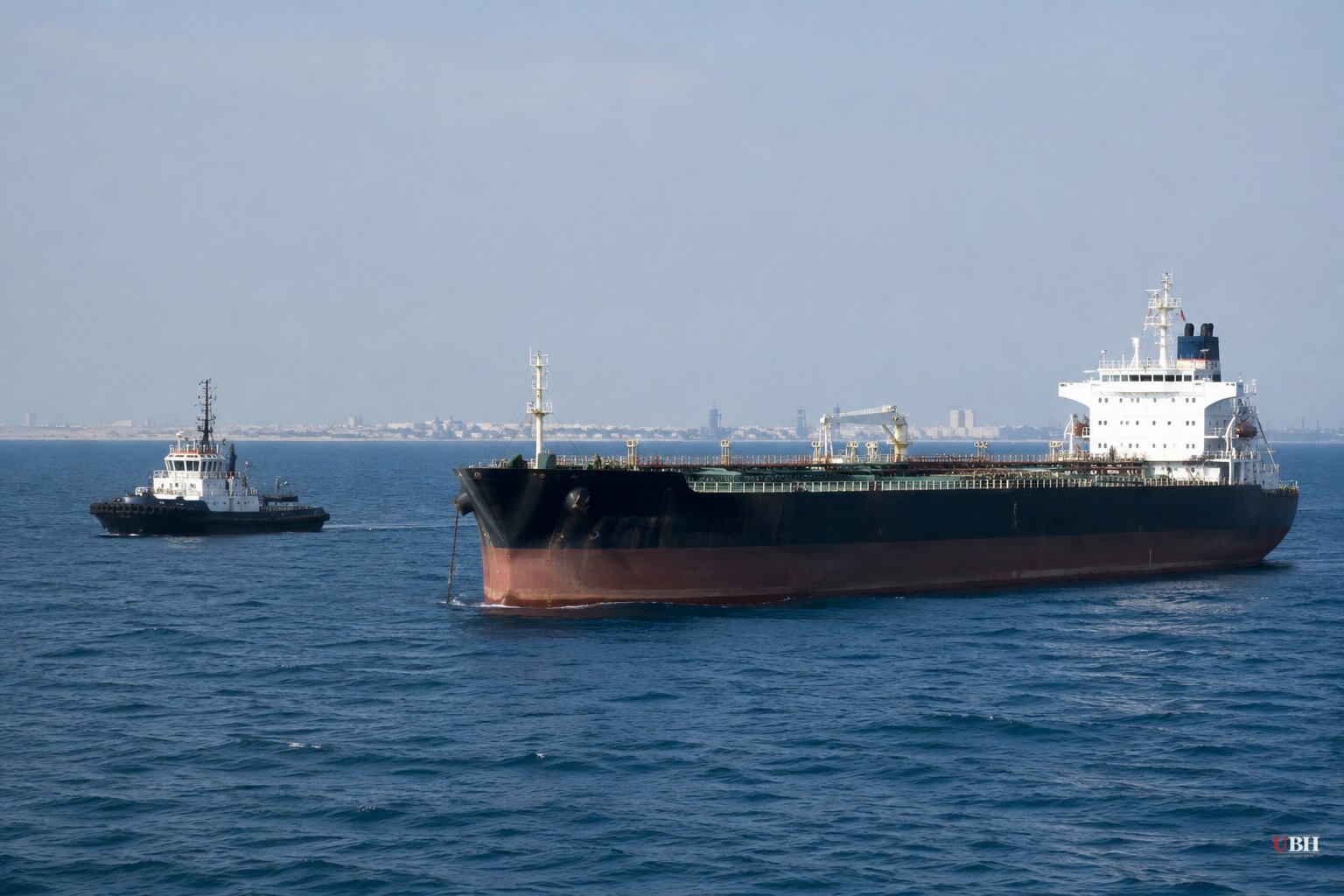
Since the string of tanker attacks around the Musandam Peninsula in late October, Sunday, Nov. 1, brought three more vessel incidents, one of them well north of where the violence has been concentrated.
Sunday's strikes
At 2347 UTC on Nov. 1, a tanker traveling southeast was hit on its port side by two unidentified projectiles about 72 nautical miles east of Ras Al Khafji, Saudi Arabia, according to UK Maritime Trade Operations (UKMTO). All crew were accounted for and no environmental damage was reported. UKMTO did not name the vessel or describe the damage.
That location is deep in the northern Persian Gulf, hundreds of miles from the Strait of Hormuz. Earlier attacks in this series have clustered near Khasab and the Musandam Peninsula.
Separately, a UAE-owned offshore tug was hit by a projectile Sunday evening in the strait northwest of Musandam, The Maritime Executive reported. The security consultancy Vanguard Tech identified it as the Selat Storm, an older tug and supply ship of about 1,300 deadweight tons. The vessel was observed "partially sinking," and its crew's status has not been reported.
The Maritime Executive also described it as the second likely Iranian attack on a tug since Oct. 18, when a projectile hit the Dutch-flagged tug JIF Barracuda. No one has publicly attributed Sunday's projectile strikes.
Earlier Sunday, at 1509 UTC, a merchant vessel's master relayed a Mayday call heard on VHF Channel 16 from another ship reportedly struck by an unknown projectile. UKMTO issued Warning 191-26. On Monday, UKMTO also reported a vessel struck off Lima, Oman, near the strait's entrance, with a hole on the starboard side. The master said vessel and crew were safe with no environmental impact. UKMTO has not said whether the Lima incident and the Mayday report involve the same ship.
Iran's claim on mines
Later Sunday, the Islamic Revolutionary Guard Corps Navy said two oil tankers "exploded" after striking mines on an "unauthorized route" through the strait, according to Iranian state media. That claim is Iran's own and has not been independently confirmed.
It follows a Friday IRGC statement that two tankers trying to cross without Tehran's authorization were forced to stop. Iran maintains that vessels must obtain its permission to transit the waterway. The U.S. has been blockading Iranian ports.
The IRGC account sits awkwardly beside a Friday post from CENTCOM commander Adm. Brad Cooper. He said U.S. forces had cleared the strait's primary transit routes of Iranian sea mines and that those routes "remain free and clear." Cooper said U.S. forces had helped Gulf partners export more than 1.5 billion barrels of crude since summer. Recalling a recent flight over the strait, he said, "I didn't see the IRGC out there at all."
Cooper's post did not address the limpet-mine attack on the tanker Louise 1 on Oct. 29. A small boat attached two explosive devices to its hull above the waterline, causing an engine-room fire. The ship later resumed its voyage. Reuters cited shipping industry sources saying it was the first reported successful use of such devices in the strait since the war began in late February.
The Joint Maritime Information Center's Nov. 1 advisory lists other recent hits. The tanker RITI was struck by a projectile Oct. 29 near Khasab, suffering a fire and loss of propulsion, and Oman's Royal Navy evacuated its 25 crew. The VLCC ARZANAH was struck Oct. 28 but its crew was reported safe.
Trump and Tehran
Speaking to supporters in Iowa on Sunday, President Trump said, "The only reason why I'm not finished with Iran is I want to be nice. I want to try and save all those lives if I can." He added: "at some point we're going to have to give them the hammer."
Tehran says it is willing to reopen the strait. Foreign Ministry spokesman Esmaeil Baqaei said the plan could be implemented in two days, calling that "another indication of Iran's good-faith approach." The offer comes with conditions. Reports of Iran's demands include war reparations and the withdrawal of all U.S. forces from locations near Iran.
"If Iran's demands are met, it would be possible to restore security to the Strait of Hormuz and resume the negotiating process within a short period," Baqaei said. He confirmed indirect message exchanges with Washington are continuing.
The U.S. position, as reflected in Cooper's statements and the blockade, is that escorted transit is already working. Washington has not publicly accepted any of Iran's stated conditions.
Qatar, a mediator, has stepped up diplomatic efforts in recent days to revive talks between the two sides. Before the war, the strait carried roughly 20 percent of the world's oil and liquefied natural gas supplies.
It is unclear what Baqaei's two-day window is measured from. Iran has not said whether the clock starts if the U.S. agrees to its demands, or when. Washington has not responded to the offer.
Sources used for this briefing
8 links from 7 independent newsrooms (syndicated copies of the same report count once)
These are the sources it draws on, linked so you can verify.


