
Unbiased headlines. Facts, not spin.
Unbiased Headlines is an independently owned news organization. We bring you the facts, not opinions, written fresh from 110+ named sources. Sources linked so you can verify it yourself.
 energy
Major Story (8/10)
Brent Falls More Than 3% to About $110 as Iran-Qatar Talks Enter Third Day
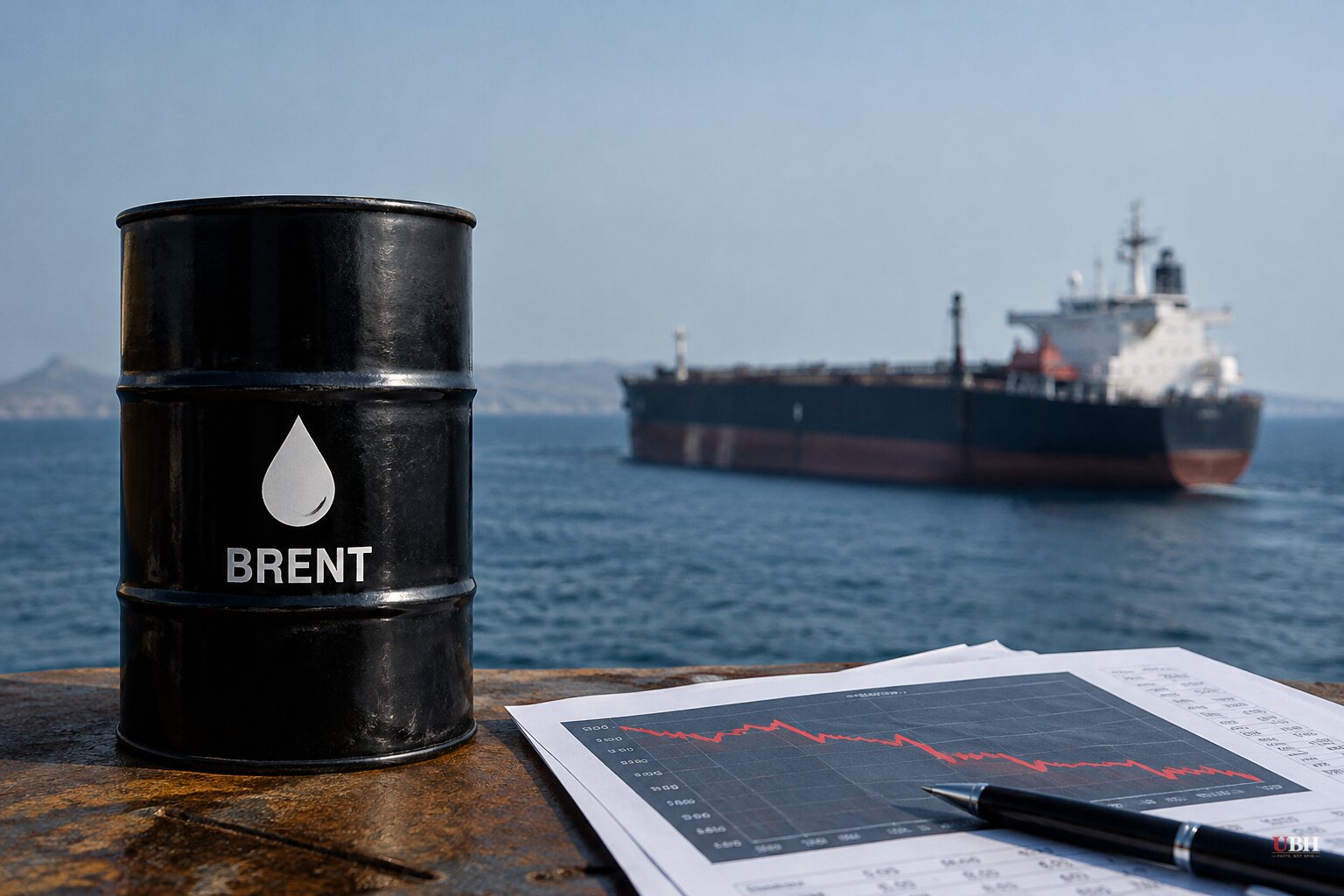
Brent crude fell $3.68, or 3.2%, to $109.75 a barrel by 0407 GMT today, Nov. 2, after Iranian and Qatari officials held a third straight day of talks on ending the US-Israeli war on Iran. West Texas Intermediate dropped $3.43, or 3.3%, to $100.69. Both moves came in Asian trading, before U.S. markets opened.
That is a step back from the roughly $114 Brent was holding at the end of last week. Brent finished October at its highest in six months. Brent and WTI gained about 0.8% last week and roughly 15% and 12% over the month, reaching their highest levels since April.
What traders are pricing
Tim Waterer, chief market analyst at KCM Trade, called the move a "technical pullback" after last week's strong gains. He said hopes of diplomatic progress and the absence of any meaningful military escalation over the weekend "have taken some of the immediate heat out of prices for now."
Waterer also warned that rhetoric on Iran could ratchet higher after Tuesday's U.S. midterm elections and push Brent toward $120.
ING analysts said in a client note that recent price action reflects a market "increasingly bracing" for more U.S.-Iran hostilities. If the midterms pass with neither strikes nor a deal, ING said, the key question is whether the market keeps pricing in a substantial geopolitical risk premium or lets it gradually unwind.
UBS expects Brent to stay near $110 by year-end. UBS commodity analyst Giovanni Staunovo has said global inventories have fallen sharply and that pledged strategic reserve releases are largely completed.
The Iranian plan
Foreign Minister Abbas Araghchi told Al Jazeera that Qatari mediators asked Iran to shorten its original seven-day proposal to two days. Under the plan, Washington would carry out a package of measures on day one. The Strait of Hormuz would reopen and navigation would return to normal on day two.
Araghchi listed Iran's conditions: lifting recently imposed U.S. sanctions, reinstating oil waivers granted in June, reducing the U.S. military presence in the region, and recognizing new shipping routes through the strait designated by Iran and Oman. Iran also wants the conflict ended on all fronts, including Israel's attacks on Lebanon, and has sought the release of frozen funds, including money held in Qatar. Pakistan is mediating alongside Qatar.
On Sunday, Araghchi said the talks were "ongoing and progressing" and that Tehran was prepared for "both defence and diplomacy."
Washington's position
The U.S. has given no public response to the plan. Secretary of State Marco Rubio confirmed the Qatar-led talks were continuing but said he was not aware of a timeframe. President Donald Trump said negotiations were going fine but that he was in no great hurry for a deal.
Rubio said Saturday that no decision had been made on resuming strikes and that Trump preferred a diplomatic settlement. Axios, citing sources, reported that Trump told Israeli Prime Minister Benjamin Netanyahu he intends to give diplomacy more time.
Iranian security chief Mohsen Rezaei described a letter from Vice President JD Vance as showing a markedly changed tone from Washington, a "very positive sign." Trump has played down the letter, saying it concerned medical supplies and that he did not direct it.
The gap between the two sides is wide. OilPrice.com energy writer Irina Slav wrote that with Iran insisting all its conditions be met and the U.S. repeatedly signaling it is disinclined to agree, failure of the talks "is the most likely outcome." Monday's price drop therefore rests on a process, not an agreement.
Supply remains constrained
The strait is still dangerous. Iran's Revolutionary Guards said two tankers struck mines and exploded Sunday while transiting Hormuz without Iranian authorization. That claim has not been independently verified.
Separately, UK Maritime Trade Operations received a report Sunday that a projectile struck a vessel in the strait. On Friday, a liquefied natural gas tanker was attacked, and another vessel was hit east of Ras Al Khafji off Saudi Arabia.
Saudi Arabia raised crude exports in October versus September despite Houthi attacks on its energy infrastructure, according to two of three ship-tracking companies. OPEC+ held December production targets steady on Sunday. The group is not expected to adjust policy until next year as it deals with export disruptions tied to the war.
The cost side of the story is already in the oil majors' latest quarterly results. Chevron's profit nearly tripled to $9.9 billion and ExxonMobil's doubled to $15.4 billion.
What comes next
The next marker is Tuesday, Nov. 3, when U.S. midterm voting takes place. Whether Washington answers Iran's conditions, and whether Hormuz traffic moves at all, will determine if Brent stays near $110 or heads back toward the $114 it held last week.
Sources used for this briefing
7 links from 6 independent newsrooms (syndicated copies of the same report count once)
These are the sources it draws on, linked so you can verify.


