
Unbiased headlines. Facts, not spin.
Unbiased Headlines is an independently owned news organization. We bring you the facts, not opinions, written fresh from 110+ named sources. Sources linked so you can verify it yourself.
 energy
Major Story (8/10)
US Officials Push Plan to Send Russian Gas to Europe Through Ukraine, WSJ Reports
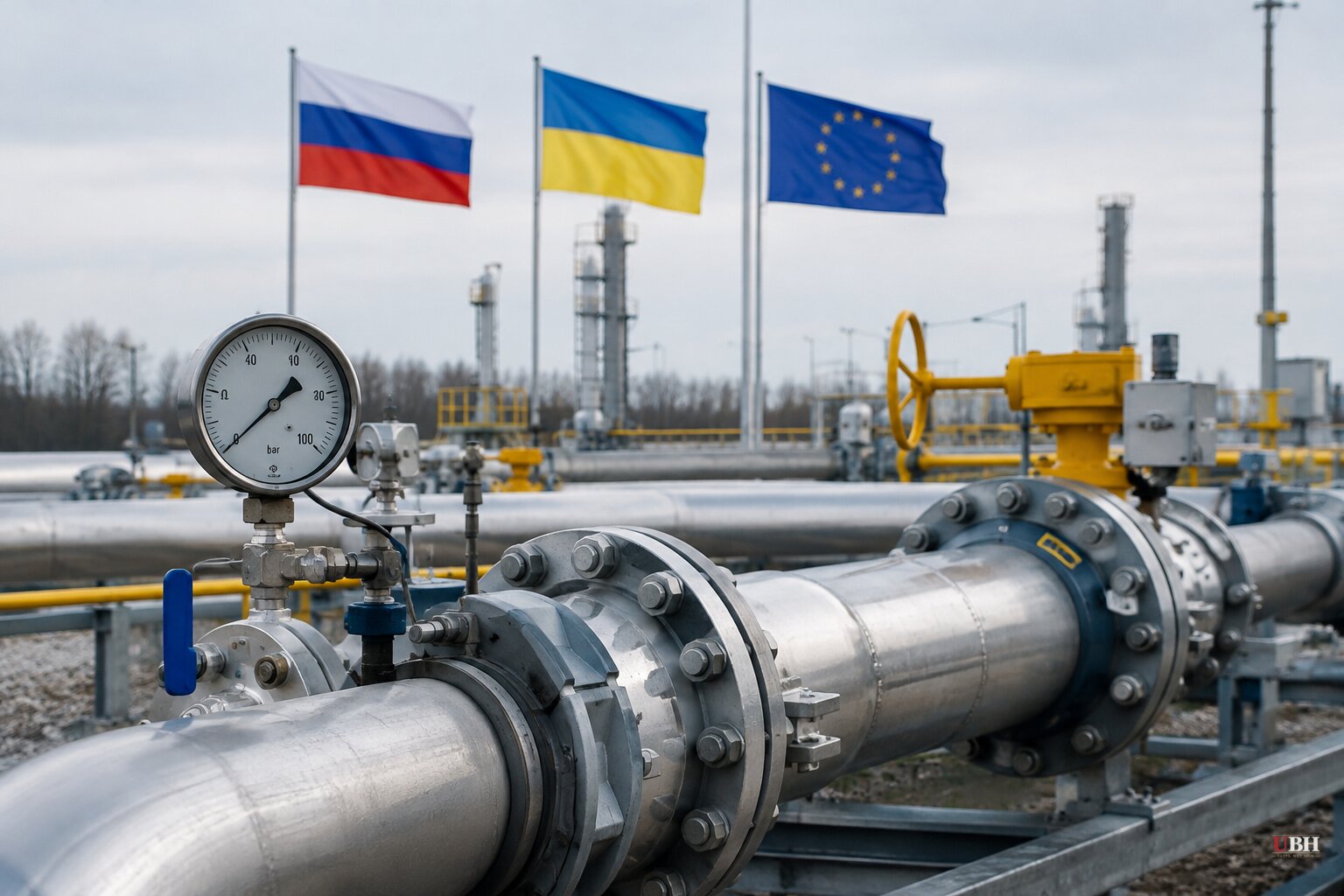
The Trump administration is pressing a plan to put Russian natural gas back on the European market through pipelines crossing Ukraine, according to a Wall Street Journal report published Sunday, Nov. 1. The reporting cites unnamed U.S., European and Ukrainian officials.
The goal is an energy ceasefire between Moscow and Kyiv before winter. The idea would also advance wider peace talks.
How the plan would work
Envoys Jared Kushner and Steve Witkoff raised the idea during visits to Moscow and Kyiv in September, the officials told the paper. A US intermediary would handle the sale of Russian gas. The setup could skirt European sanctions and restrictions, and it could open a lucrative opening for American investors, according to the report.
One version of the proposal would have Russia deposit the proceeds in an escrow account in a third-country jurisdiction. A senior U.S. official said the point is to keep the Kremlin from spending the money on the war.
Ukraine would collect transit fees. The Soviet-era route carries Siberian gas from the Urengoi fields through Ukraine to Slovakia, Austria and Germany.
The pipelines in Ukraine are intact, and flows could resume quickly, according to reporting on the plan. Russian gas deliveries through Ukraine stopped when the transit agreement expired at the end of 2024 and Kyiv declined to renew it.
The Journal also reported that Washington is considering restarting Nord Stream as part of a larger deal. That deal would address the war and long-running disputes between Russia and America's European allies. The Nord Stream lines are damaged and would take longer to restore than the Ukrainian network.
Why it is back on the table
The proposal lost momentum in October. Ukraine paused strikes on Russian oil refineries for nearly two weeks under pressure from President Trump. Russia kept hitting Ukraine's energy infrastructure and began sending diesel to the United States.
One account describes the arrangement as a deal under which Washington would hold off on tightening sanctions on Russia in exchange for limited diesel volumes to the global market, to curb rising prices.
The pause is over. Beginning Friday, Oct. 30, Ukraine hit three major Russian refineries over three days. That put the energy truce back in play ahead of trilateral talks between the U.S., Ukraine and Russia scheduled for mid-November. Moscow has previously rejected Washington's attempts to reach such an agreement.
U.S. negotiators believe access to Europe's gas market could give Vladimir Putin a reason to say yes, according to the report.
Europe's position
European law requires member states to phase out Russian gas by the end of 2027. The leaders of Europe's largest countries have said they do not want to become dependent again on a country they regard as their main strategic threat.
In private conversations, a senior official from a Scandinavian country told the Journal that resuming Russian gas purchases runs counter to everything Europeans stand for. The Trump administration, for its part, expects European resistance to be less firm than it looks.
The U.S. has pitched the plan to Europeans as a way to cut energy costs. European gas prices are at their highest in almost four years. The conflict in the Middle East has taken nearly a fifth of global LNG exports off the market, and Qatari cargoes are stuck in the Persian Gulf. A source told the Journal that Europe's gas storage sits at its lowest seasonal level in several years.
A reversal
The plan cuts against the administration's own earlier stance. In Trump's first term, his administration sanctioned Nord Stream 2 and warned that Russian gas left Europe captive to Moscow.
The new version adds a twist: American middlemen and American investors would sit in the sales chain. Critics of any such deal can point to that tension. No investor or intermediary has been named.
The case for the plan, as officials describe it, is practical. Cheaper gas for Europe, transit money for a cash-strapped Ukraine and a financial incentive for Moscow to stop striking energy targets. Escrow is meant to keep the money from funding the war. How an escrow account in a third country would be run, and who would control it, has not been spelled out in the reporting.
What comes next
The plan has not been adopted, and no European government has agreed to it. The test comes at the mid-November trilateral talks, and in whether Brussels will entertain any carve-out from its 2027 phase-out law.
Sources used for this briefing
7 links from 7 independent newsrooms (syndicated copies of the same report count once)
These are the sources it draws on, linked so you can verify.


