
Unbiased headlines. Facts, not spin.
Unbiased Headlines is an independently owned news organization. We bring you the facts, not opinions, written fresh from 110+ named sources. Sources linked so you can verify it yourself.
 energy
Major Story (8/10)
Aramco Q3 Net Profit Rises 34.5% to $36.25 Billion as Output Falls About 10%
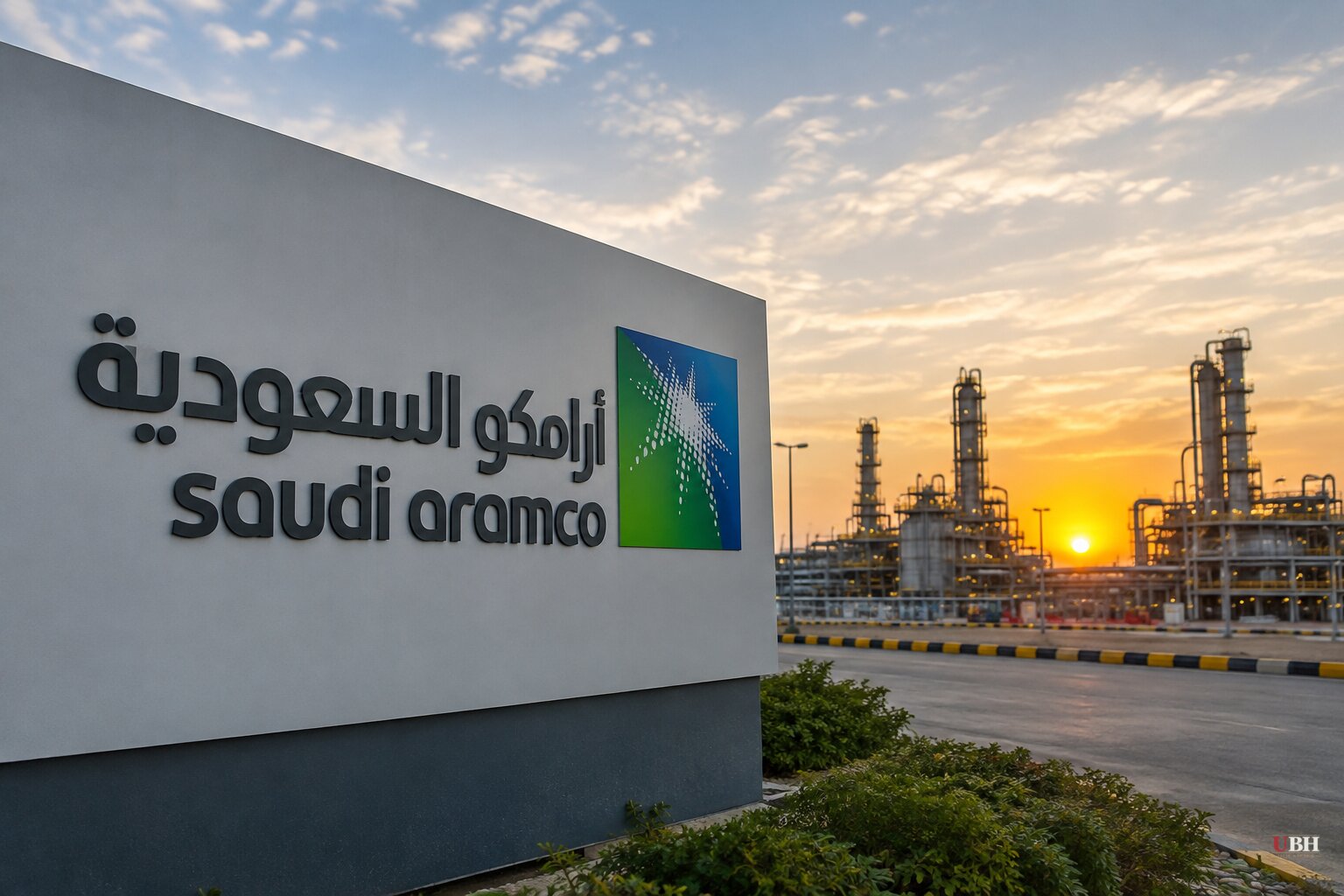
Saudi Aramco reported a 34.5% jump in third-quarter net profit on Tuesday, Nov. 3, to $36.25 billion from $26.9 billion a year earlier. The headline number is flattered by a one-time gain. The underlying number is smaller.
Strip out that gain and adjusted net income for the three months to Sept. 30 was about $31.2 billion, up 9% from $28.6 billion in the third quarter of 2025. That beat the $30.66 billion median forecast of 12 analysts compiled by the company. It also beat the $28.7 billion estimate compiled by Bloomberg.
What drove the profit
Price did the heavy lifting. Aramco sold its crude at an average of $95.20 a barrel in the quarter, against $70.10 a year earlier. That is still below the second-quarter average of $108.10.
Brent rose more than 40% during the quarter and averaged above $90 a barrel. It topped $100 by mid-September, as Iranian attacks on shipping in the Strait of Hormuz raised supply fears.
Refining was the other engine. Aramco said earnings before interest and tax in its downstream business, which includes refineries and trading, more than tripled to a record above $10 billion.
The reported figure also includes a 25.9 billion riyal gain from selling its stake in the PRefChem refining and petrochemicals joint venture to Malaysia's Petronas. Reported net profit came to 135.9 billion riyals.
Less oil, higher prices
The volumes tell a different story. Total liquids production fell about 10% to 8.7 million barrels a day, and natural gas output slipped 2.6%. Total hydrocarbon output averaged 11.05 million barrels of oil equivalent a day, down from 13.3 million a year earlier.
Saudi crude production averaged roughly 8 million barrels a day in September, according to secondary sources cited by OPEC. It was above 10 million before the war.
Supply reliability dropped to 97.8% from 99.9% a year ago and 98.4% in the second quarter. Aramco said it restored loadings in the western region quickly after disruptions to the East-West Pipeline, using the pipeline's multiline configuration.
Adjusted income was down about 7% from the second quarter, when net profit hit 122.6 billion riyals, or $32.7 billion.
Under fire
The war began Feb. 28 with U.S. and Israeli strikes on Iran. Yemen's Iran-backed Houthis have regularly targeted Saudi tankers, pipelines, storage sites and refineries since hostilities resumed in July. The attacks intensified in recent weeks.
Targets have included Yanbu, where the East-West Pipeline ends, refineries in western Saudi Arabia, a major oil field and Aramco's headquarters. This week the Saudi-led coalition intercepted a Houthi ballistic missile after strikes on Yemen's Ras Isa port, as the Houthis threatened Aramco.
Aramco also shifted routes. It increased shipments from Ras Tanura on the Persian Gulf in September to win back market share in Asia. That meant pivoting to the Hormuz route after attacks temporarily knocked the East-West Pipeline out of service.
CEO Amin Nasser said "geopolitical uncertainty and attacks on key energy facilities continued to amplify the global energy supply crisis in the third quarter of 2026, with serious implications for global energy security." He said Aramco kept delivering reliably to customers during what he called an extraordinary period.
The cautious read
Not everyone sees momentum. Robert Mogielnicki, a research fellow at the Arab Gulf States Institute, said the results were likely to look "rosier" than a year ago, when oil prices were much lower, but "less promising relative to last quarter."
The numbers fit that description. Year-over-year gains come from a price spike. Volume is down double digits, and the second quarter was stronger on price.
The payout
Aramco kept its base dividend at $21.9 billion for the quarter, the same as the previous two quarters. The payout is central to Saudi public finances. Gearing, a measure of indebtedness, eased to 5.5%.
Bloomberg's reporting ties the earnings to the kingdom's budget needs, with energy revenue and dividends funding its spending as the Houthi campaign pressures the economy.
What comes next
Nasser said Aramco is exploring additional overseas storage capacity and alternative export routes to strengthen supply security. The company has not said where or when.
Prices remain elevated heading into winter. On Oct. 30, December Brent traded at $117.14 a barrel and WTI at $103.94, after Hormuz tanker incidents. ING's Warren Patterson said in a market note that the outlook looks "more dire amid the risk of renewed U.S. strikes on Iran following the U.S. midterm elections." Those elections are today, Nov. 3.
Sources used for this briefing
8 links from 8 independent newsrooms (syndicated copies of the same report count once)
These are the sources it draws on, linked so you can verify.


