
Unbiased headlines. Facts, not spin.
Unbiased Headlines is an independently owned news organization. We bring you the facts, not opinions, written fresh from 110+ named sources. Sources linked so you can verify it yourself.
 energy
Major Story (7/10)
Event date: September 5, 2026 ·
Oil Services CEOs Say Iran War Has Sometimes Tripled Logistics Costs in the Middle East
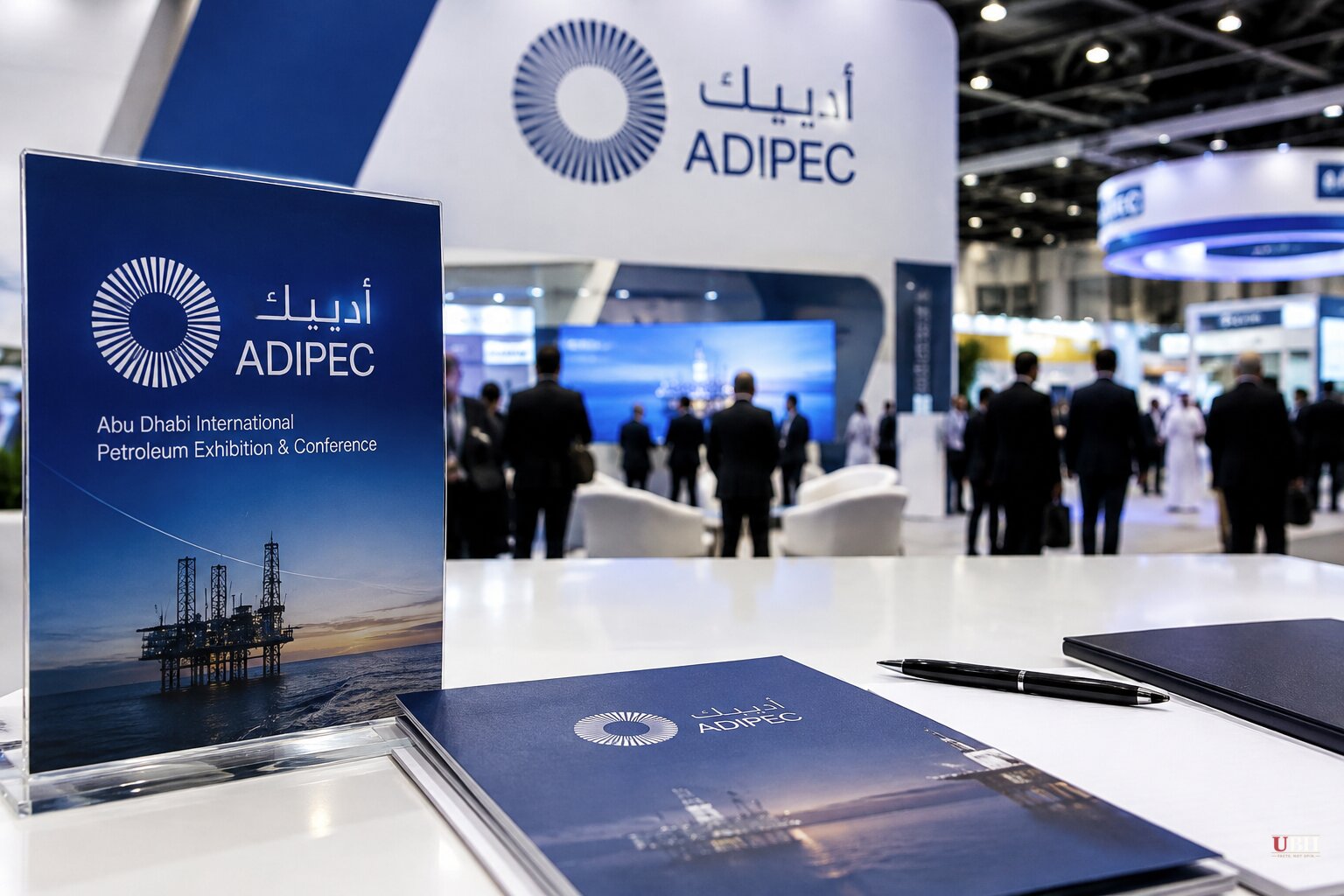
Since the Iran war began earlier this year and disrupted traffic through the Strait of Hormuz, the cost shock has moved from the crude price to the companies that build and service the oil industry. Executives at the ADIPEC energy conference in Abu Dhabi laid out the numbers this week.
What the contractors say
"What we are facing now with our contracts in the Middle East is that logistics costs have increased — sometimes threefold," said Alessandro Bernini, chief executive of Italian engineering group Maire. "Fuel costs have doubled, labour costs have increased 30 to 40 per cent."
Bernini said the jump is eating into service-company margins and raising project costs. He said it ultimately translates into higher energy prices and inflation around the world.
Alessandro Puliti, chief executive of Italian contractor Saipem, said the problem is physical delivery of equipment. "We have been sitting outside Hormuz for months," he told the conference.
Neither executive gave a company-wide dollar figure for the damage. Bernini's "sometimes" matters: threefold is the high end on specific contracts, not an across-the-board multiplier.
Crude is flowing, the supply chain is not
Our earlier reporting showed Gulf oil exports recovering toward pre-war levels and physical crude premiums collapsing. The contractors' account is a different part of the system. Barrels moving out is one thing. Rigs, steel, crews and spare parts moving in is another, and those costs are what the executives describe.
Higher costs for building and maintaining Gulf production capacity can show up later in what producers need to earn. That is Bernini's argument, and it is a forecast, not a measured result.
Pressure showing up in U.S. prices
The cost pressure is not confined to the Gulf. Data cited by market analysts at Adalytica show U.S. producer prices rose 3.7% in September, the fastest pace since 2022 and above expectations. Services prices excluding energy and rents rose sharply for a second straight month, with airfares, delivery and trucking showing pass-through from fuel.
The 10-year Treasury yield has climbed to around 5.1%, according to the same analysis. It warns that the Federal Reserve now faces higher odds of more rate increases and that food prices could follow if energy stays elevated.
The Fox News commentary of economist E.J. Antoni, a former Trump nominee to lead the Bureau of Labor Statistics, offers the administration-friendly reading. He argues that real weekly paychecks rose roughly 2% from January 2025 through February of this year. The Iran war then reversed some of that progress as oil moved from $60 or $70 a barrel to $100 or $120.
Antoni's position is that affordability will start to improve again once the wars with Iran and in Ukraine conclude. He also blames the earlier cost-of-living squeeze on the Biden years, when he says weekly paychecks grew about 17% but bought about 4% less.
Washington's response
On Oct. 22, President Trump invoked the Defense Production Act in a memorandum directing Secretary of War Pete Hegseth to use purchases, purchase commitments and financial instruments to expand domestic petroleum capacity. The memorandum covers exploration and production, storage, marine terminals and pipelines.
"Petroleum fuels the Nation's Armed Forces, industrial base, and crucial infrastructure," Trump wrote. He said that without immediate federal action, U.S. defense capabilities "will remain vulnerable to disruption." The memorandum also waived standard statutory requirements under the Act.
Vice President JD Vance had announced the plan the week before. The memorandum cites supply chain limits, financing constraints, permitting bottlenecks and long lead times as reasons the market alone will not deliver the capacity in time.
Those are domestic measures. They do nothing for a contractor waiting outside Hormuz to deliver equipment in the Gulf.
Election Day backdrop
The numbers land on Election Day, Nov. 3, with the war and energy costs central to the midterm campaign. Neither the executives nor the administration has put a date on when Gulf logistics will normalize.
It is unclear how long Saipem and its peers will keep waiting. The longer they do, the longer the higher project costs Bernini describes stay in the price of energy.
Sources used for this briefing
7 links from 7 independent newsrooms (syndicated copies of the same report count once)
These are the sources it draws on, linked so you can verify.


