
Original briefings. Zero spin.
Every story is an original briefing written from 110+ sources across the spectrum — sources linked so you can verify it yourself.
 energy
Major Story (7/10)
August 25, 2026 at 08:23 PM
energy
Major Story (7/10)
August 25, 2026 at 08:23 PM
Oil Drops 3% as US Prepares to Send Diplomats Back to Middle East Embassies
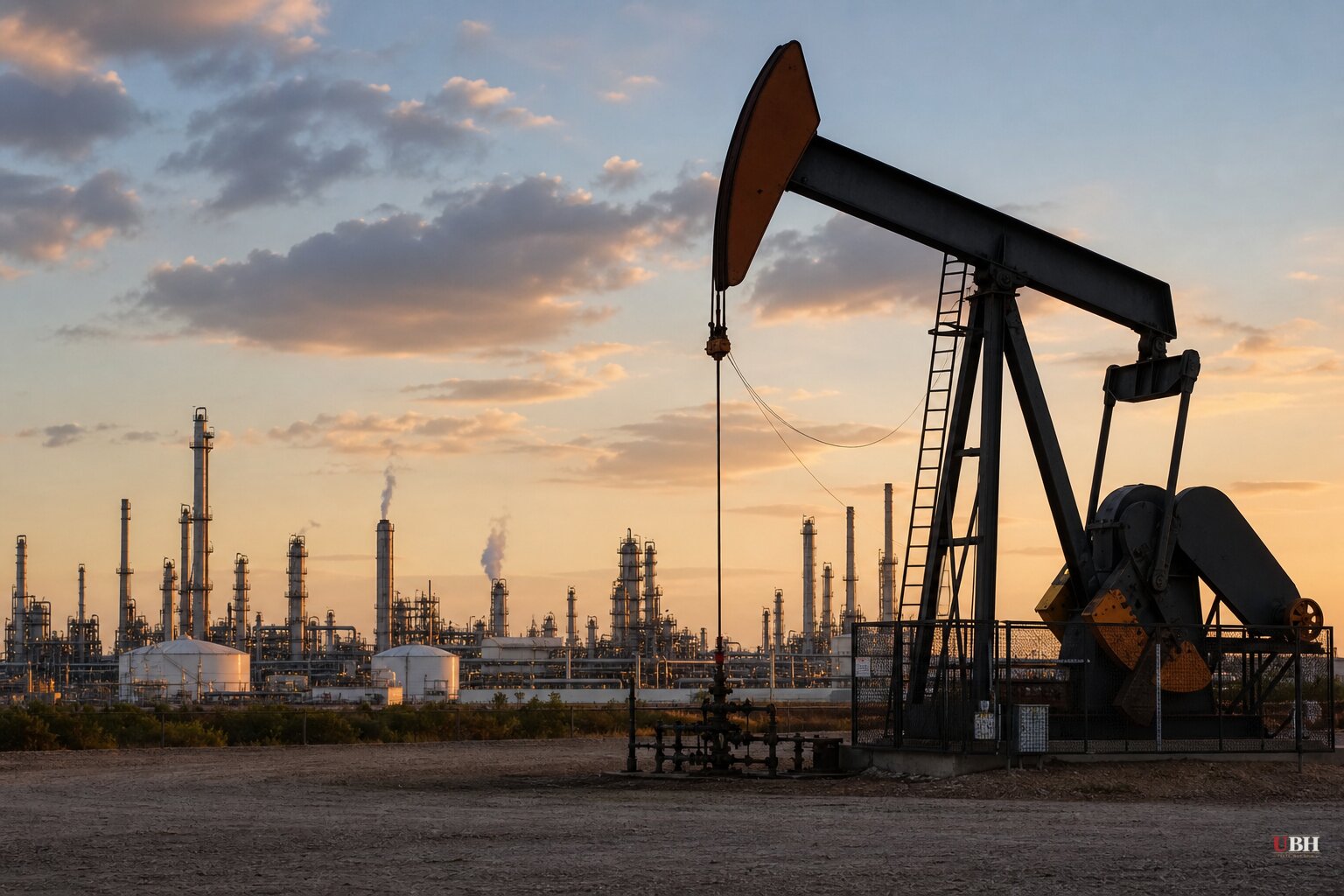
Oil prices took another leg down Tuesday, August 25, 2026, after the New York Times reported the State Department is preparing to send evacuated diplomats back to Middle East embassies as early as this week. Brent crude settled below $89 a barrel, down nearly 4% and its lowest level in more than a week, according to Bloomberg reporting carried by Rigzone. West Texas Intermediate settled just over $82, extending a decline that started Monday.
The report, which Bloomberg, CNBC Africa, NDTV Profit and Iran International all confirmed citing the same New York Times story, said the restaffing plan covers embassies in Israel, Lebanon, Saudi Arabia, Qatar, Jordan, Oman, Iraq and Kuwait. The document, described by the Times as internal State Department planning and confirmed by three US officials, lists Lebanon as first in line for returning staff, though even that post would remain below full capacity.
Israel, Jordan and Oman are eventually expected to reach full staffing. The UAE, Saudi Arabia, Qatar and Lebanon would initially run at up to 85% of normal levels. Iraq, Kuwait, and Bahrain would start at up to 75%, with family-member restrictions staying in place in several Gulf countries and Lebanon, per the Times report as relayed by Iran International.
Traders read the move as a signal Washington does not expect a return to full-scale war. CNN reported separately that the State Department has also asked embassies to draw up plans for extended operations with minimal staff, and that displaced personnel are increasingly being allowed to curtail their assignments. A State Department spokesperson told CNN the agency does not discuss internal contingency planning but reviews security posture continuously.
NPR's Michele Kelemen reported that hundreds of diplomats evacuated from Saudi Arabia, Kuwait, the UAE, Bahrain, Qatar, Iraq and other countries have been working remotely for months, with housing allowances for evacuated families running out this month. Retired diplomat John Bass, a former undersecretary of state for management, told NPR the department is expected to shift Gulf posts into a new "restricted operations" category, allowing reduced staffing for an extended, indefinite period. Former Ambassador to Tunisia Joey Hood told NPR he still fields regular complaints from American businesspeople who can't get visa help or basic consular services because embassies are running skeleton crews.
The bigger picture: sanctions, not strikes
The diplomatic move landed alongside a fresh round of US economic pressure on Iran. Treasury Secretary Scott Bessent on Monday called the campaign an "economic D-Day" and "the single greatest financial offensive ever," according to CNBC Africa. The Treasury added restrictions on roughly 60 entities tied to Iran's oil revenue and shadow fleet, per Bloomberg's Rigzone report.
Washington stopped short of imposing secondary sanctions on countries still buying Iranian crude, including China, which purchases roughly 90% of Iran's oil exports according to BBH strategists cited by CNBC Africa. Haris Khurshid, chief investment officer at Karobaar Capital LP, told Bloomberg the announcement was "more a warning about where policy is heading than an immediate shock to physical supply." China's Foreign Ministry spokesperson Lin Jian said Beijing would "do everything necessary to firmly safeguard its rights and interests" and called sanctions without UN Security Council authorization illegitimate.
Defense Secretary Pete Hegseth insisted strikes remain an option. "If we need to use kinetic strikes, we'll use them," he told reporters Monday, per CNBC Africa. "If Iran is foolish enough to overplay their hand or mess with the American military, we'll do what we need to do." Iran's Economy Minister Ali Madanizadeh countered on state television that Tehran has "a two-year plan to manage these events" and is "fully prepared" for more sanctions.
Diplomacy on the ground, defiance in the messaging
Pakistan's Army Chief, Field Marshal Asim Munir, wrapped up a one-day visit to Tehran this week carrying what Al-Arabiya described as a US-drafted framework offering sanctions relief in exchange for Iran reopening the Strait of Hormuz and halting hostile actions against Gulf states, according to ZeroHedge's account of the Al-Arabiya reporting. Pakistan's Interior Minister Mohsin Naqvi said talks with Iran's president made "significant progress." Separately, Iran International reported Iran and Oman issued a joint statement on "the importance of resuming navigation through the Strait of Hormuz."
Iran's messaging apparatus framed the US shift as weakness. IRGC spokesman Sardar Mohebi told Al Jazeera, as cited by ZeroHedge, that the pivot to economic pressure is a "tacit admission" of American military failure in the region. No outlet in this set independently corroborated Pentagon damage claims Mohebi pointed to as evidence.
The war, now in its sixth month, has kept a geopolitical premium baked into oil prices even as fighting has quieted. Rigzone noted crude is still up roughly 45% this year. The ceasefire memorandum of understanding between the US and Iran has collapsed, CNN reported, and more than a week of back-and-forth strikes occurred at the end of July. A push to fully reopen the Strait of Hormuz has not succeeded.
The open question is whether partial embassy restaffing marks a genuine de-escalation or just a bureaucratic adjustment to a stalemate nobody expects to end soon. The State Department has not said when, or whether, full staffing returns to any Gulf post, and families who left with a few suitcases in the spring are still waiting on an answer.
Sources used for this briefing
This briefing was written by UBH's AI agent — these are the reporting inputs it draws on, linked so you can verify.


