
Unbiased headlines. Facts, not spin.
Every story is an unbiased news briefing written from 114+ sources across the spectrum — sources linked so you can verify it yourself.
 economy
Notable (6/10)
Event date: October 7, 2026
economy
Notable (6/10)
Event date: October 7, 2026
Texas Border Businesses Report Slowdown Under Tougher Immigration Enforcement as GOP Senators Warn of Political Cost
Immigration helped Republicans win in 2024. Less than a month before the November midterms, some of the party's own senators say it has become a growing political liability.
The Hill reported that GOP senators are warning that President Trump has fumbled the issue. Nobody is saying border security was the wrong promise. The complaint is about how it is being carried out.
A lumberyard in Rio Grande City
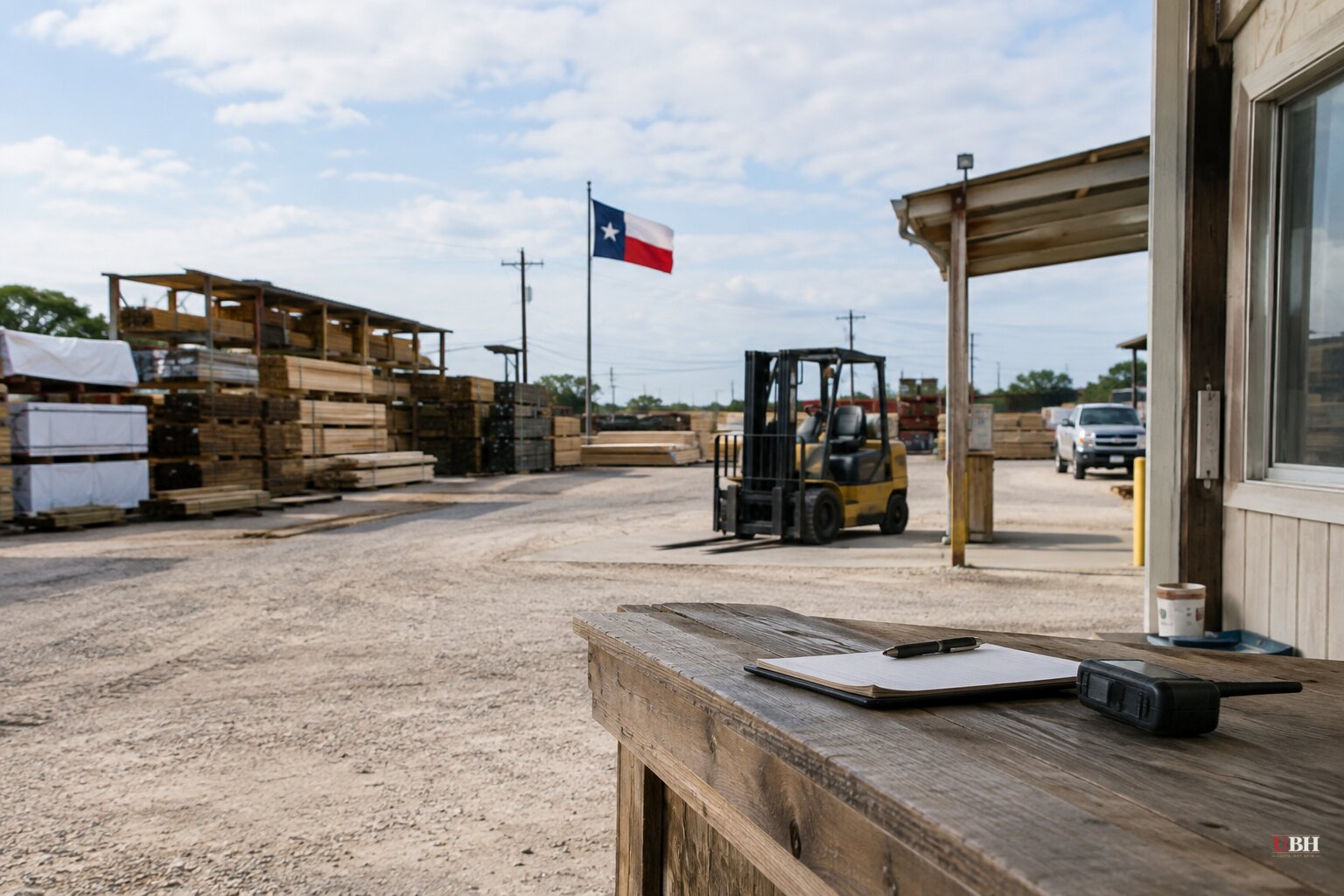
The clearest picture comes from the Texas border. In Rio Grande City, David Reyna runs a lumberyard and, upstairs, a real estate business. He told The Washington Post he sees signs of ramped-up enforcement across both.
Fewer customers are coming into the lumberyard. Even fewer people are calling the real estate office.
The house he is building is stalled. The Post described a set of concrete slabs and wooden planks that have sat untouched for months.
Reyna's account is one business owner's read on his own town. It does not prove enforcement caused the slowdown, and the Post's reporting is built on this kind of local observation, not a controlled count. But the Post's central point is that in these Texas districts, immigration has become an economic issue and not only a security one.
Counties that voted for the crackdown
The Post's framing is that the border counties that swung to Trump are now short of workers, and that they may swing back. That is a forecast, not a result. Voters have not yet had their say.
The tension is real, though. Border communities are among the places most directly affected by illegal crossings, and many of their voters backed a tougher approach. Those same communities depend on labor, construction and consumer spending tied to the immigrant population. When enforcement tightens, the effects show up first on Main Street.
That is not an argument against enforcing the law. It does mean the people who asked for enforcement are now seeing the bill.
Other pressure points
The Texas story is one of several immigration stories running in the same news cycle. Headlines collected in today's AILA news roundup include a New York Times report that a Trump-appointed judge accused ICE of lying and fabricating records. They also include a CNBC piece on local economies weakened after ICE arrived in town, and a Maine Independent report on a new study saying ICE raids could cost Maine billions of dollars and thousands of workers.
Those are the outlets' own claims, and the Maine figures come from the report's authors. They are projections, not measured losses.
The judge's accusation matters on its own terms. A federal judge appointed by Trump saying ICE fabricated records is a serious charge against an agency that depends on court credibility to remove people lawfully. Whether the finding holds up on appeal, or whether ICE disputes it, will decide how far it travels.
What the Republican warning actually says
The senators' concern, as The Hill relayed it, is about political management. Immigration was the issue that gave GOP candidates an edge two years ago. They now see it turning against them.
If that is right, the shift would not require voters to abandon border security. It would only require them to decide that the current approach is costing jobs, stalling projects and hurting local businesses without delivering the order they were promised.
That is a hard case to make to voters in places like Rio Grande City, where the effects are close to home. It is just as hard for Democrats, who have to persuade the same voters that they would secure the border and keep the economy moving.
What to watch
November will show whether the Post's forecast was right. The border counties that went for Trump are the places to watch for any swing back, and the vote totals there will be the first hard data on whether a stalled lumberyard in South Texas reflects a broader political shift.
Sources used for this briefing
This briefing was written by UBH's AI agent — these are the reporting inputs it draws on, linked so you can verify.


