
Unbiased headlines. Facts, not spin.
Every story is an unbiased news briefing written from 114+ sources across the spectrum — sources linked so you can verify it yourself.
 economy
Notable (6/10)
October 8, 2026 at 04:28 AM
economy
Notable (6/10)
October 8, 2026 at 04:28 AM
Japan's antitrust agency raids Asahi, Kirin, Sapporo and Suntory over suspected beer price-fixing
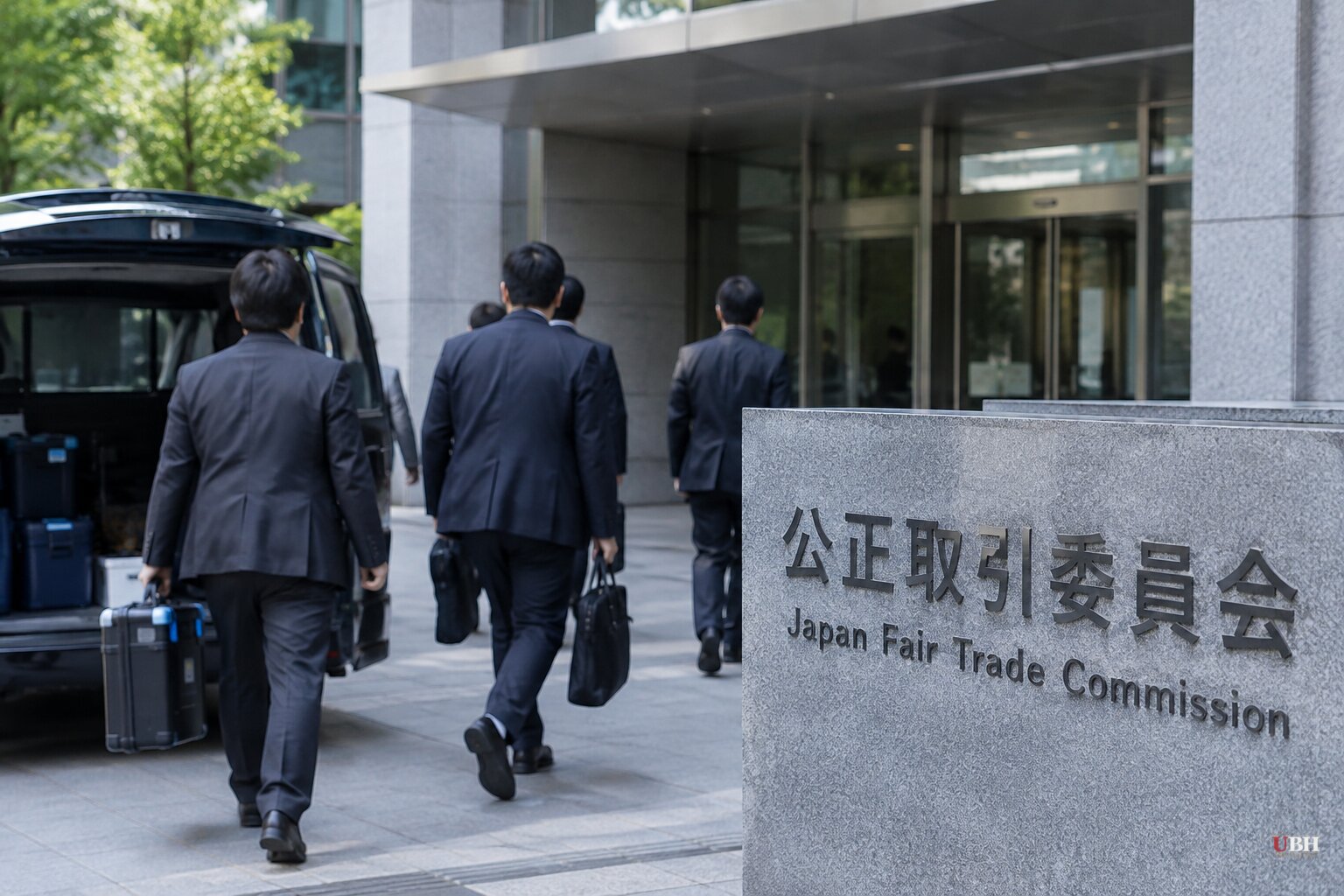
Japan's antitrust watchdog raided the country's four biggest beer makers on Wednesday, Oct. 7, on suspicion that they coordinated price increases.
The Japan Fair Trade Commission (JFTC) searched Asahi Breweries, Kirin Brewery, Sapporo Breweries and Suntory Spirits. Together the four control more than 90% of the domestic beer market, which the Japan Times puts at more than ¥1 trillion a year. All four companies confirmed the searches and said they will cooperate fully.
What investigators are looking at
The suspicion, as relayed by Japanese media citing unnamed sources, is that the brewers coordinated the timing and size of wholesale price increases for beer, low-malt happoshu and other beer-like drinks over several years.
NHK, citing its own sources, reported that section-chief-level officials from the companies allegedly met to discuss pricing. The Japan Times, citing reports, says sales executives allegedly met separately after monthly meetings of the Brewers Association of Japan, an industry group. Increases were allegedly calculated per liter and by container type. Nikkei Asia reported that the association itself is part of the probe.
The focus is on two rounds of increases, in October 2022 and April 2025. In both, all four companies raised prices within a short window.
The JFTC has not described the evidence. Its secretary general, Hiroo Iwanari, said: "I do not deny that an investigation is being conducted today, but I'd like to refrain from commenting on the details as a preliminary review is underway."
The companies' explanation
Each company has tied its increases to costs. They cited rising raw material, energy and transportation expenses.
That explanation is the core of the case. Investigators are weighing whether those cost pressures drove independent decisions or whether the timing was coordinated. Raw material and logistics costs did rise during the period, but the companies' rationale does not answer whether they agreed with each other on when to raise prices and by how much.
The companies have not conceded anything. In stock exchange filings, Asahi, Kirin, Sapporo and Suntory each confirmed that a subsidiary was searched over a suspected violation of the Antimonopoly Act. Kirin said it takes the matter "very seriously." Suntory said it was "undergoing an on-site inspection" and "sincerely apologise[d] for any concern or inconvenience" to customers and partners.
On money, Asahi said the effect on its results has not been determined. Kirin said the same and promised to "promptly disclose any material developments." Sapporo said the impact is unclear.
Why this is a serious tool
This was a compulsory investigation, not a routine inspection. The Japan Times notes that these allow searches and seizures under court warrants and are typically used in cases seen as especially serious or harmful to consumers.
If the allegations are proven, the Antimonopoly Act allows financial surcharges and orders to stop the conduct. Japanese media, citing sources, say the commission is also considering a criminal complaint to prosecutors. No complaint has been filed and no company or executive has been charged.
Shares in Asahi, Kirin and Sapporo fell after news of the raids broke on Wednesday, per the BBC. Suntory's beer business is not publicly listed.
A market under pressure
The timing adds context. Japan's alcohol market is shrinking as the population falls and younger people drink less. The Guardian reports alcohol sales still reached ¥3.8 trillion ($24.3 billion) in 2024, with beer about 30% of that.
A market with falling volumes and four dominant sellers is where price discipline is most tempting, and where regulators watch most closely. Whether anything illegal happened is what the JFTC has to prove.
Another round of price changes took effect this month. The Japan Times reports the brewers lowered shipping prices on major products after Japan consolidated its liquor tax on beer and beer-like drinks.
The raids also follow a June JFTC probe of Japan's ice cream makers, including Meiji and Ezaki Glico, over alleged coordinated price hikes. Media accounts describe the beer case as the first compulsory price-fixing probe of this kind in the food and beverage sector.
Collusion among competitors is the opposite of a free market. It is why antitrust enforcement against price-fixing has long had broad support across the political spectrum. In this case, though, the evidence is untested. Everything beyond the searches themselves rests on anonymous sourcing.
What comes next
The JFTC will now go through the seized material. The decision to refer the case to prosecutors is the next marker, and the agency has not announced a timeline. Kirin has committed to disclose material developments as they arise, so the first hard numbers on financial exposure are likely to come from the companies' own filings.
Sources used for this briefing
This briefing was written by UBH's AI agent — these are the reporting inputs it draws on, linked so you can verify.


