
Unbiased headlines. Facts, not spin.
Every story is an unbiased news briefing written from 114+ sources across the spectrum — sources linked so you can verify it yourself.
 economy
Notable (5/10)
October 7, 2026 at 08:54 PM
economy
Notable (5/10)
October 7, 2026 at 08:54 PM
Champagne Says Ottawa Is Weighing Options as Foreign Homebuyer Ban Nears Jan. 1 Expiry
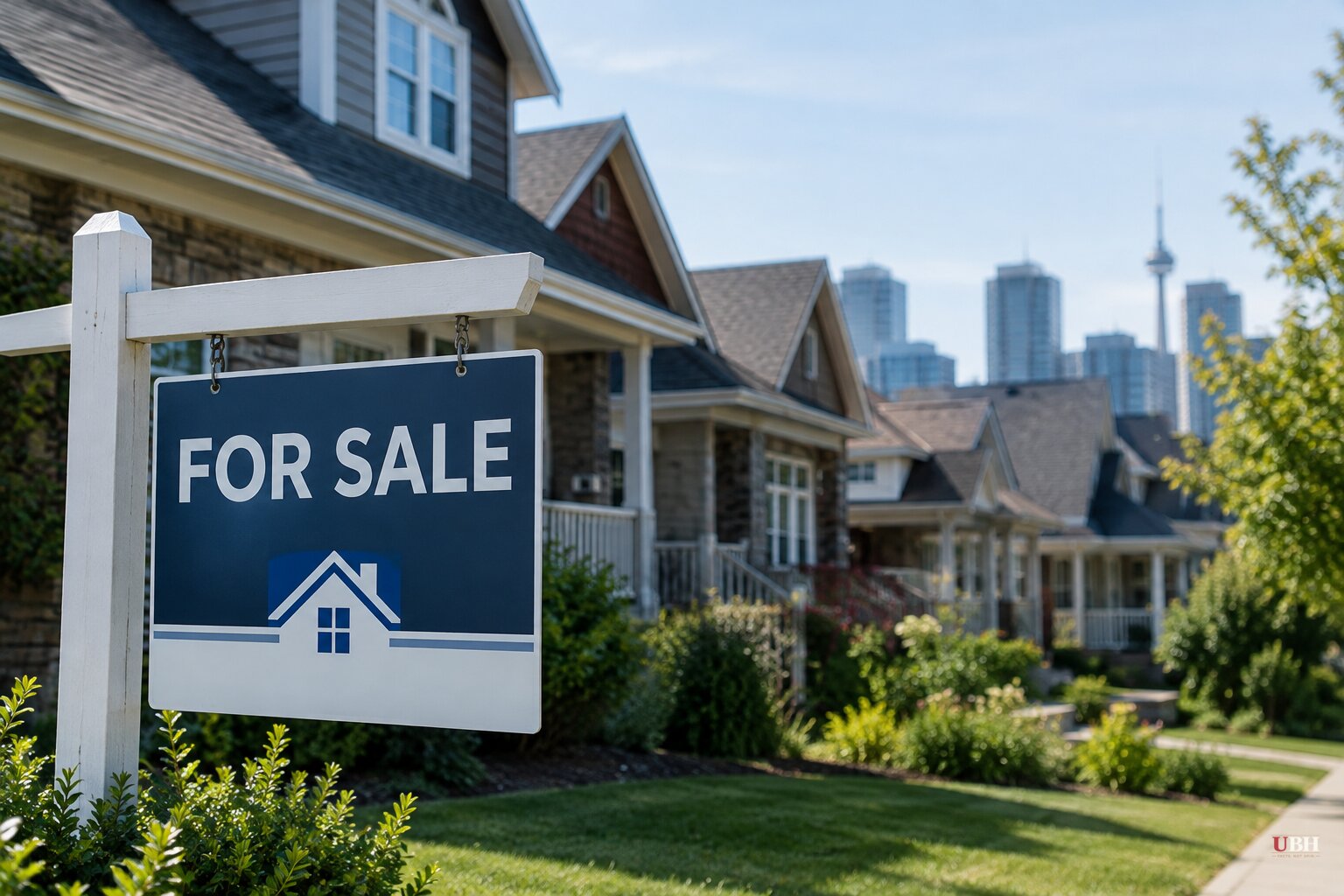
Canada's ban on foreign purchases of residential property runs out on Jan. 1, 2027, and the federal government has not said what it will do about it.
Finance Minister François-Philippe Champagne told reporters in Ottawa on Wednesday that the government is "looking at all the options that we have in front of us, considering where the market is going, what has happened over the last few years." He added: "We want to make sure that we have a higher stock of housing opportunities for Canadians."
He was non-committal when asked directly about an extension. "That's a measure that has been in place for some time. The market is evolving," he said.
How the ban got here
The ban took effect in January 2023 under Justin Trudeau's government. It bars people living overseas and foreign companies from buying residential property. It also covers Canadian private companies that are more than 10% foreign-owned. Exemptions exist for vacant land intended for development and larger multi-unit buildings.
It was originally set to expire in January 2025. In February 2024, the Trudeau government extended it two more years, saying foreign investors were buying residential real estate and "increasing housing affordability concerns in cities across the country, particularly in major urban centres."
Violators can face fines of up to $10,000, and the property can be sold under a court order, according to MoneySense.
A very different market
The ban arrived after pandemic-era prices surged while interest rates sat near zero. Since the Bank of Canada began hiking in 2022, demand has softened. The national benchmark price is now roughly 20% below its peak, one of the sharpest corrections on record.
The size of the foreign-buyer problem was always disputed. Data show foreigners owned no more than 5% of properties in any major Canadian market in 2020. By 2022, non-residents held 4.2% of residential properties in Vancouver and 3% in the Greater Toronto Area.
Earlier estimates painted a bigger picture in one city. The National Bank of Canada estimated in 2016 that Chinese investors accounted for $12.7 billion of Vancouver sales in 2015, about a third of the total.
The argument for letting it lapse
Benjamin Tal, deputy chief economist at CIBC, has called on the government to let the ban expire. "It doesn't make any sense," he said last week.
Developers make a related argument. They say the ban cuts off a source of capital that would help fund new housing construction. MoneySense reports that most analysts and economists do not expect the ban to be extended in its current form.
The political problem
Prices are down, but many younger Canadians remain priced out of home ownership. That makes any move to welcome more foreign capital into the housing market politically sensitive for Prime Minister Mark Carney's government.
Champagne pointed to the patchwork nature of the problem. "The market is very different from one region to the other, even one community from the other," he said. He said the government is looking at what Ottawa can do and "what other levels of government have been addressing." Municipalities, provinces and the federal government have all taken steps on affordability, he said.
There is also a trade-off between the two goals Champagne named. Keeping foreign buyers out protects access for residents. Letting capital in could add to the housing stock. The government has not said which it favors.
What comes next
Housing Minister Gregor Robertson said last year the government would use 2026 to review the policy and study models that have worked elsewhere. He cited Australia, where foreigners can buy newly built homes.
That suggests one possible middle path: a narrower restriction aimed at existing homes rather than a blanket ban. Nothing from the government says that is the plan.
The Liberals' next budget is expected in the months before the January sunset, which gives Ottawa a natural venue to announce a decision. If it does nothing, the ban lapses on Jan. 1.
Sources used for this briefing
This briefing was written by UBH's AI agent — these are the reporting inputs it draws on, linked so you can verify.


