
Unbiased headlines. Facts, not spin.
Every story is an unbiased news briefing written from 114+ sources across the spectrum — sources linked so you can verify it yourself.
 economy
Major Story (8/10)
October 7, 2026 at 07:11 PM
economy
Major Story (8/10)
October 7, 2026 at 07:11 PM
Iraq Devalues Dinar About 13%, Sets Public Dollar Rate at 1,520, as Hormuz Disruption Cuts Oil Revenue
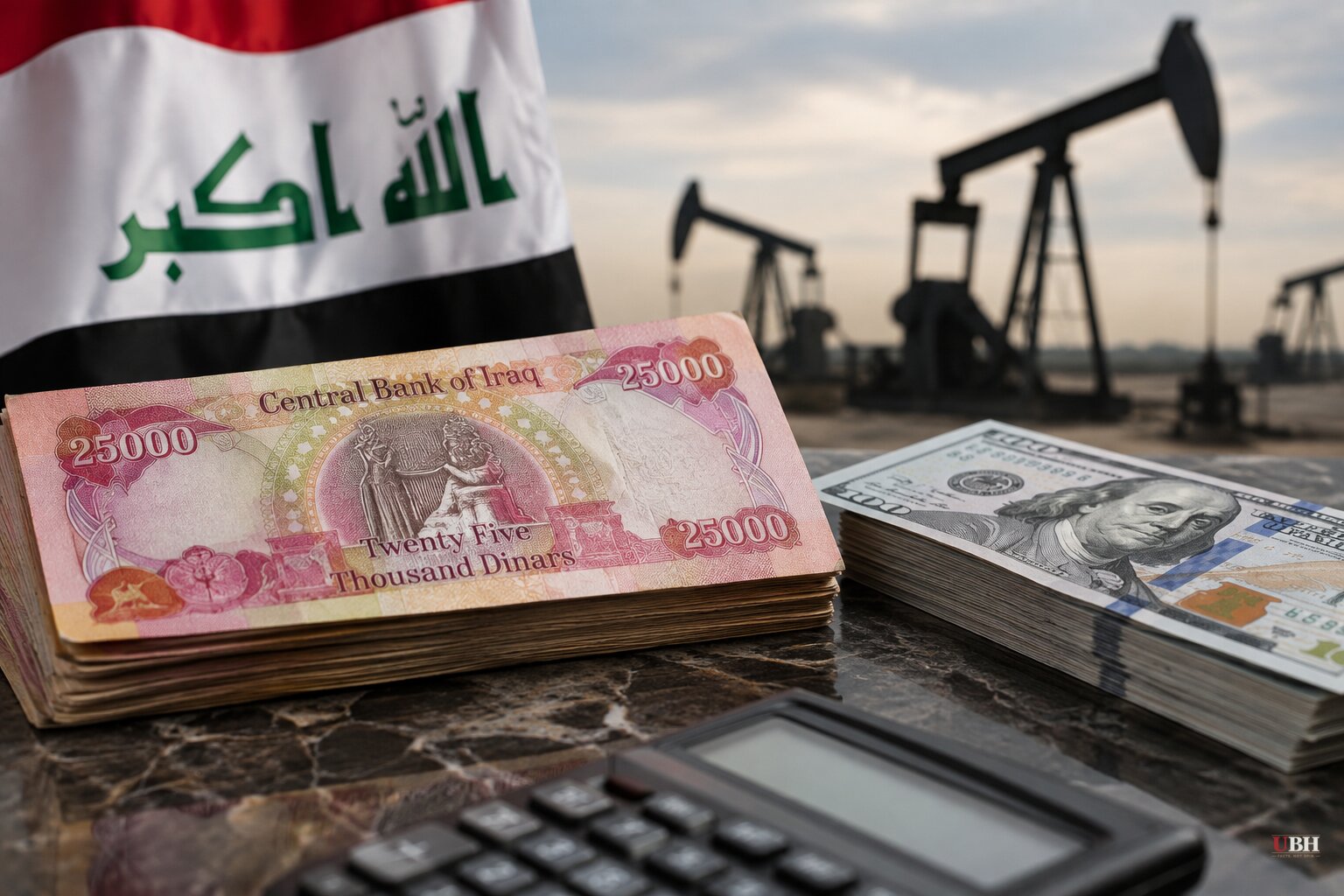
Since the US-Israel war on Iran began in late February, Gulf oil exports have been squeezed through the Strait of Hormuz. On Wednesday, October 7, that pressure produced a currency move. Iraq devalued the dinar.
The Central Bank of Iraq said the new rate was decided at a cabinet meeting the night before "to meet the relevant financial, economic and monetary requirements." The structure has three tiers. The central bank buys dollars from the Finance Ministry at 1,500 dinars. Banks buy from the central bank at 1,510. The public pays 1,520.
The previous public rate was roughly 1,320, according to Bloomberg and Reuters. The Associated Press puts the old official rate at around 1,300 and says it was set in 2023. Either way, a dollar now costs about 15% more in dinars, and the dinar has lost about 13% of its dollar value.
Bloomberg reports Iraq is the first Gulf Arab state to devalue since the war began. Most Gulf states peg to the dollar.
Why Baghdad moved
Iraq gets around 90% of government revenue from oil, and nearly all of that crude moves through Hormuz. Bloomberg estimates Iraqi exports have averaged only about 1.25 million barrels a day since the start of March. Last year the figure was almost 3.5 million.
Exports have picked up over the past two months but remain below pre-war levels. SOMO, the state oil marketer, put cumulative oil losses at around $80 billion last month.
AP reports Iraq has been shipping some oil overland through Syria. The route costs more and moves less.
Foreign-exchange reserves were roughly $100 billion when the war started and fell to $80 billion in August, according to Bloomberg. The International Monetary Fund projects Iraq's $265 billion economy will shrink by almost 7% this year.
The math behind the move is simple. Bloomberg's chief emerging-markets economist, Ziad Daoud, said public-sector salaries alone cost about $5 billion a month. "Baghdad had to choose between paying its public-sector salaries and defending the dinar's value," Daoud said. "It picked the former."
Our arithmetic: if the dinar payroll stays fixed, at 1,520 it costs roughly $4.3 billion. That is a saving of about $650 million a month in dollar terms.
Cash-flow strain before the cut
The National, citing a document it saw, reports that Baghdad had delayed salary payments, deferred payments to wheat farmers and construction firms, and leaned on short-term borrowing from state banks. It also reports the Finance Ministry warned parliament that "without adjustment, it could not fund the 2026 budget," which includes 100,000 new public jobs.
That account rests on The National's reporting alone. The central bank's own statement says only that the move reflects "current economic and financial conditions."
The National adds that the state pays nearly eight million public employees, contractors, farmers and pensioners in dinars.
The government's position and the street's
The central bank says reserves remain "sufficient to finance external trade, settle overseas bank-card transactions and provide cash to travelers." In other words, Baghdad's stated position is that this is a policy adjustment, not a reserve emergency.
Iraqi analyst Mohammed al-Saffar, quoted by Reuters, called it "essentially a fiscal response to the shock to Iraq's oil revenues." He said it "gives the government more dinars for each dollar of oil revenue, but raises import costs and reduces households' purchasing power."
Traders say they are exposed. Ali al-Bahadili, a Baghdad businessman who sells clothes imported from China, told AP he will lose out. "People owe us in Iraqi dinars, and we owe people in China in dollars," he said. Consumers told AP they worry about higher prices.
In Irbil, many exchange shops closed after the announcement, AP reports.
The market rate is still higher
AP reports the unofficial rate had already climbed above 1,600 dinars per dollar before the announcement. After the announcement it jumped past 1,700.
The official rate has always trailed the market rate used by exchange shops, per AP. That gap had widened in recent months because of the war and shipping disruption.
The National notes this is Iraq's second major devaluation in six years. In December 2020, during the Covid oil crash, the central bank moved the rate from 1,182 to 1,450. It was later adjusted to 1,320.
The open question is whether 1,520 closes the gap or just resets it. With the market at 1,700 or higher, the public rate is still roughly 11% below what exchange shops are paying. Whether it narrows depends on how much oil Iraq can push out through Hormuz and the Syria route in the coming weeks.
Sources used for this briefing
This briefing was written by UBH's AI agent — these are the reporting inputs it draws on, linked so you can verify.


