
Unbiased headlines. Facts, not spin.
Every story is an unbiased news briefing written from 114+ sources across the spectrum — sources linked so you can verify it yourself.
 energy
Notable (6/10)
Event date: October 10, 2026
energy
Notable (6/10)
Event date: October 10, 2026
Syria's Pipeline Blasts Since Aug. 18: Sabotage Declared in Several, Sept. 30 Cause Unknown
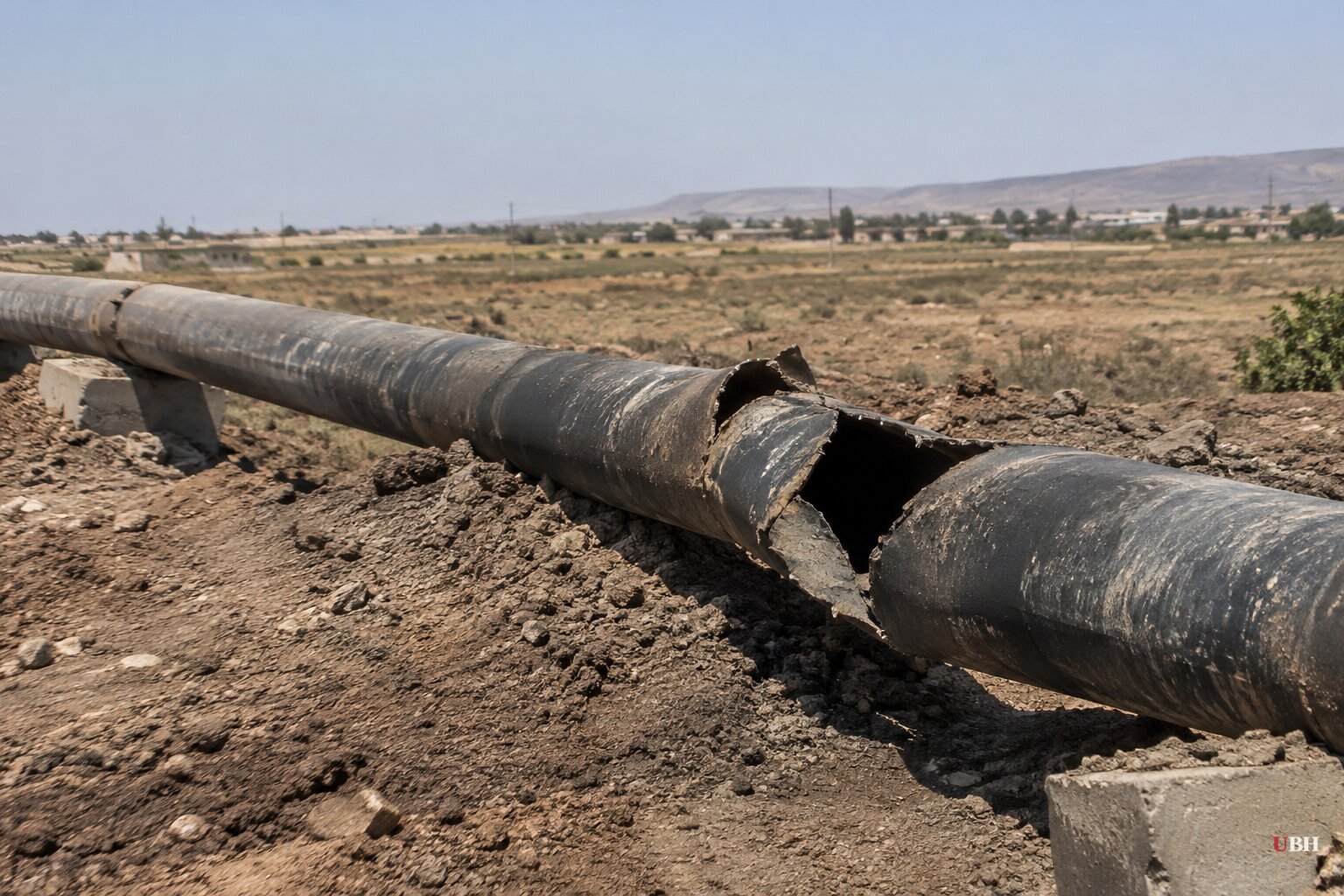
Syrian gas and oil lines have been hit by repeated explosions since Aug. 18. Authorities have called several of them sabotage. The blast outside Damascus on Sept. 30 is still under investigation.
The damage is not abstract. Each hit cuts gas to power stations, and electricity goes with it.
The timeline
Aug. 18: An explosion halted pumping through the gas export line from the Jbessa plant in Hasakah countryside, in the northeast. The Syrian Petroleum Company said its preliminary investigation found deliberate sabotage. Crews isolated the wells, closed safety valves and began repairs. No injuries were reported.
Sept. 28: The Jbessa line was hit again near Al-Shula in Deir Ezzor countryside. An explosion at a sectional valve started a fire and stopped gas flowing toward power stations. State news agency SANA reported that sabotage targeting a gas pipeline in eastern Syria caused an explosion on Sept. 29. Energy Minister Mohammad al-Bashir later said explosives were used. Crews had to replace an 18-meter section of 16-inch pipe, and the company said pumping resumed Oct. 2.
The company's land-gas director said the line had been carrying about 950,000 cubic meters a day. That is a significant part of the gas supply Syrian power generation depends on.
Sept. 30: A pipeline explosion in eastern rural Damascus set off a fire near the Tishreen Thermal Power Plant that burned for hours. The Tishreen, Deir Ali and al-Nasiriyah plants all shut down after losing gas supply. Two people were injured by the fire. Damascus and surrounding areas, plus parts of southern Syria, saw worse power cuts, and electricity-dependent water pumping and treatment was disrupted across Damascus, rural Damascus, Daraa, As-Suwayda and Quneitra.
Abdel Hamid Sallat, director of the Ministry of Energy's media department, said crews closed the safety valves and let the gas left in the isolated section burn off before cooling the area. Al-Bashir said the blast damaged parts of the gas network and some electricity transmission cables, but not the main turbines or generators. Engineers began repressurizing the Arab Gas Pipeline between Adra and Deir Ali so the plants could come back one at a time. Authorities are investigating whether the cause was a technical failure or a deliberate act, and have not announced a finding.
Oct. 7: The Syrian Petroleum Company said a pipeline near Tal Hamis in Hasakah was hit by a sabotage attack at 6:00 a.m. AFP described it as an oil pipeline and called it the third such sabotage incident in recent weeks. The company said maintenance crews were isolating the damaged section, and that authorities arrested the alleged perpetrators and referred them to the judiciary. It has not said who they are or whom they answer to.
Who did it
Nobody has said. No group has claimed responsibility.
An analysis from the Israeli outlet Alma, written before the Oct. 7 attack, notes that no evidence currently links the incidents to one another. It also says it is undetermined whether the Sept. 30 blast was sabotage, an attack or a technical failure. Its analysts still call the sequence a possible pattern, pointing to ISIS as one candidate. Two of the incidents hit Hasakah and Deir Ezzor, where ISIS remains active. Alma counts 26 ISIS attacks in government-controlled parts of Deir Ezzor between February and May 2026, and notes the group blew up a gas pipeline at Furqlus in 2015.
The same analysis says ISIS is not the only possibility. Eastern Syria also has smuggling and fuel-theft networks and local armed groups.
Writing in The Cradle, Aghiad Hegazi frames the timing around Syria's bid to become a corridor for Iraqi oil and regional gas to the Mediterranean. He also states plainly that the proposed Iraqi oil route to Baniyas is a separate project, and that there is no evidence the Jbessa attacks targeted it. The Cradle quotes journalist Bassel al-Mohammed naming Israel as a potential beneficiary of a weakened Syria, and another account notes that Israeli news claims Iran struck the pipeline near Damascus. Hegazi's piece itself says Syrians are pointing at ISIS and even Israel but that "we don't know," and the government has not named a party responsible. These claims are speculation.
What is at stake
Syria is trying to become a transit state. Azerbaijani gas has flowed in through Turkey since August 2025, mainly for power generation. Iraq has increasingly moved energy supplies through the port of Baniyas, a shift Alma ties to disruptions in the Strait of Hormuz. Plans exist to link Iraq to the Syrian coast by pipeline.
That pitch depends on one thing: protecting long stretches of pipe, pumps and the crews who maintain them. Repeated blasts in a matter of weeks are a bad advertisement for that.
The pressure is also domestic. Years of war before Bashar Assad's fall in late 2024 devastated Syria's oil, gas and electricity sectors, leaving the country heavily reliant on imports. Demonstrations last month over rising fuel prices, which authorities linked to price hikes caused by the Middle East war, show how angry people already are about the cost of living. Every outage lands on them.
Two questions remain open. Authorities have not announced what caused the Sept. 30 blast outside Damascus. And the people arrested after the Oct. 7 attack have not been identified, so how they are charged will show whether Syria's government treats these as isolated crimes or as a coordinated campaign.
Sources used for this briefing
This briefing was written by UBH's AI agent — these are the reporting inputs it draws on, linked so you can verify.


