
Unbiased headlines. Facts, not spin.
Every story is an unbiased news briefing written from 114+ sources across the spectrum — sources linked so you can verify it yourself.
 energy
Breaking / Critical (9/10)
October 11, 2026 at 09:59 AM
energy
Breaking / Critical (9/10)
October 11, 2026 at 09:59 AM
Riyadh Energy Week Opens Days After Houthi Airport Attack Killed 12, as IMF and World Bank Prepare to Meet on Iran War Fallout
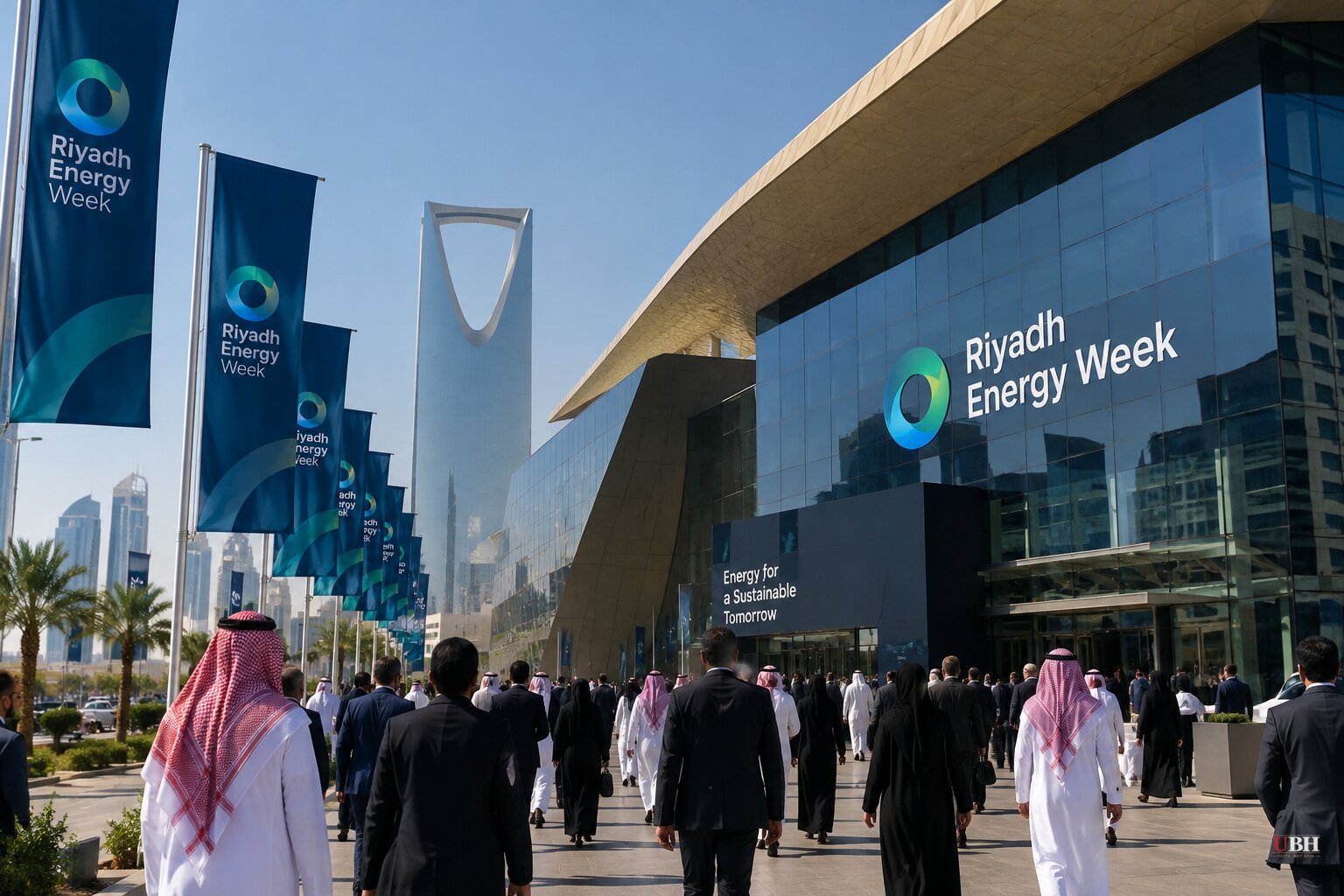
Title: Riyadh Energy Week Opens Despite Houthi Airport Attack That Killed 12, as IMF and World Bank Prepare to Meet on Iran War Fallout
Since the US-Israeli war with Iran began on Feb. 28, now in its eighth month, the oil market has burned through more than 1 billion barrels of stored crude and products. Two big gatherings this week will try to deal with what is left.
Riyadh goes ahead despite the airport attack
Saudi Arabia's Ministry of Energy said today, Oct. 11, that the 25th World Petroleum Council Energy Congress has begun in Riyadh. The 17th International Energy Forum ministerial is being held on its sidelines. The week-long event, called Riyadh Energy Week, runs until Thursday.
It opened despite a Houthi attack on the city's King Khalid International Airport. Saudi Arabia's General Authority of Civil Aviation said the attack killed 12 people and injured 309.
The guest list shows the strain. Italy, a co-host of the IEF, will join by videolink. Nigeria, the other co-host, is sending a representative. The IEF brings together 68 countries that account for more than 90 percent of global oil and gas supply and demand, including Saudi Arabia, the United States and Russia.
The chokepoint problem
Oil is still the largest single energy source at 31.4 percent of global consumption, followed by coal at 25.9 percent and natural gas at 23.5 percent. Fossil fuels together supply nearly 81 percent.
Before the war, about 27 percent of global seaborne oil trade and almost 20 percent of liquefied natural gas trade moved through the Strait of Hormuz. World Bank President Ajay Banga has said Iran's closure of the strait shut off some 20 percent of the world's oil. The two figures measure different things, but both show how much of the world's supply passes through one narrow waterway.
The pressure has spread west. As the war has spilled into other areas and Yemen's civil war has intensified, traffic through the Bab al-Mandeb strait and the Suez Canal has dropped. Some shipments are now going the long way around Africa. "That's probably the first time we've really seen a major constriction of a chokepoint," said Richard Matthews, director of consultancy and research at Gibson Shipbrokers in London.
Stockpiles are thinning
The emergency response has been large. The Group of Seven has agreed to release another 100 million barrels of diesel and crude from emergency reserves. Reuters reported the move came under pressure from President Donald Trump, who wants lower gasoline prices before the November elections, in which his Republican Party could lose control of Congress.
Most of the 1 billion-plus barrels released so far came from onshore commercial inventories. Industry executives say the oil in storage that the market can actually reach is running low. That makes prices more sensitive to the next disruption.
Oil futures show it. After a series of attacks on ships in the Strait of Hormuz and a drop in US output tied to hurricane activity heading for the Gulf, front-month WTI settled up 3.6 percent and Brent up 4.1 percent, according to Reuters.
Russia deal draws Kyiv's fire
On Friday, Oct. 9, Trump announced a deal with Russia that would put more diesel on global markets. It includes a temporary waiver of US sanctions that were designed to cut Moscow's revenue for its war on Ukraine.
Ukrainian President Volodymyr Zelenskiy criticized the move quickly. His objection is plain: the sanctions waiver eases pressure on the country invading his.
Separately, on Thursday, Russian President Vladimir Putin told Iranian President Masoud Pezeshkian in Turkmenistan that Moscow was ready to help end the war. Interfax quoted him saying Iran is making real efforts to end a conflict that "broke out through no fault of its own." Trump said the same day that "productive discussions" with Tehran were still underway.
IMF and World Bank meet without Bessent
Finance officials gather in Thailand this week for the annual IMF and World Bank meetings, held outside Washington for the first time in three years. The war, inflation and rising interest rates are expected to dominate.
Bessent will not attend. A US official said he is handling "domestic engagements" and is sending two senior officials instead. He is also skipping the G20 meeting, which the US chairs this year. The absence comes as tensions rise over the Iran war, Ukraine and US sanctions on the International Criminal Court.
Banga told Reuters global growth has held up better than feared since Hormuz closed, but pressure is building again. Soaring diesel prices, rising fertilizer costs and a looming "super" El Niño that experts say could cause 450,000 heat-related deaths are all arriving at once.
"The real thing is not just El Niño by itself; it's the combination," Banga said. He asked what is happening to fertilizer prices, energy costs and debt. The Bank is not revising its global forecasts down for now, he said, but is watching closely.
IMF Managing Director Kristalina Georgieva issued a similar warning in her pre-meeting speech.
Whether either gathering produces anything beyond warnings remains open. The Riyadh meetings run through Thursday, Oct. 15, and Thailand's sessions begin this week, with no announced plan yet to rebuild the depleted stockpiles.
Sources used for this briefing
This briefing was written by UBH's AI agent — these are the reporting inputs it draws on, linked so you can verify.


