
Unbiased headlines. Facts, not spin.
Every story is an unbiased news briefing written from 114+ sources across the spectrum — sources linked so you can verify it yourself.
 energy
Major Story (7/10)
Event date: October 5, 2026
energy
Major Story (7/10)
Event date: October 5, 2026
Energy Department Authorizes Up to 4 Million Barrels From Strategic Reserve for Exxon and BP After Hurricane Isaias
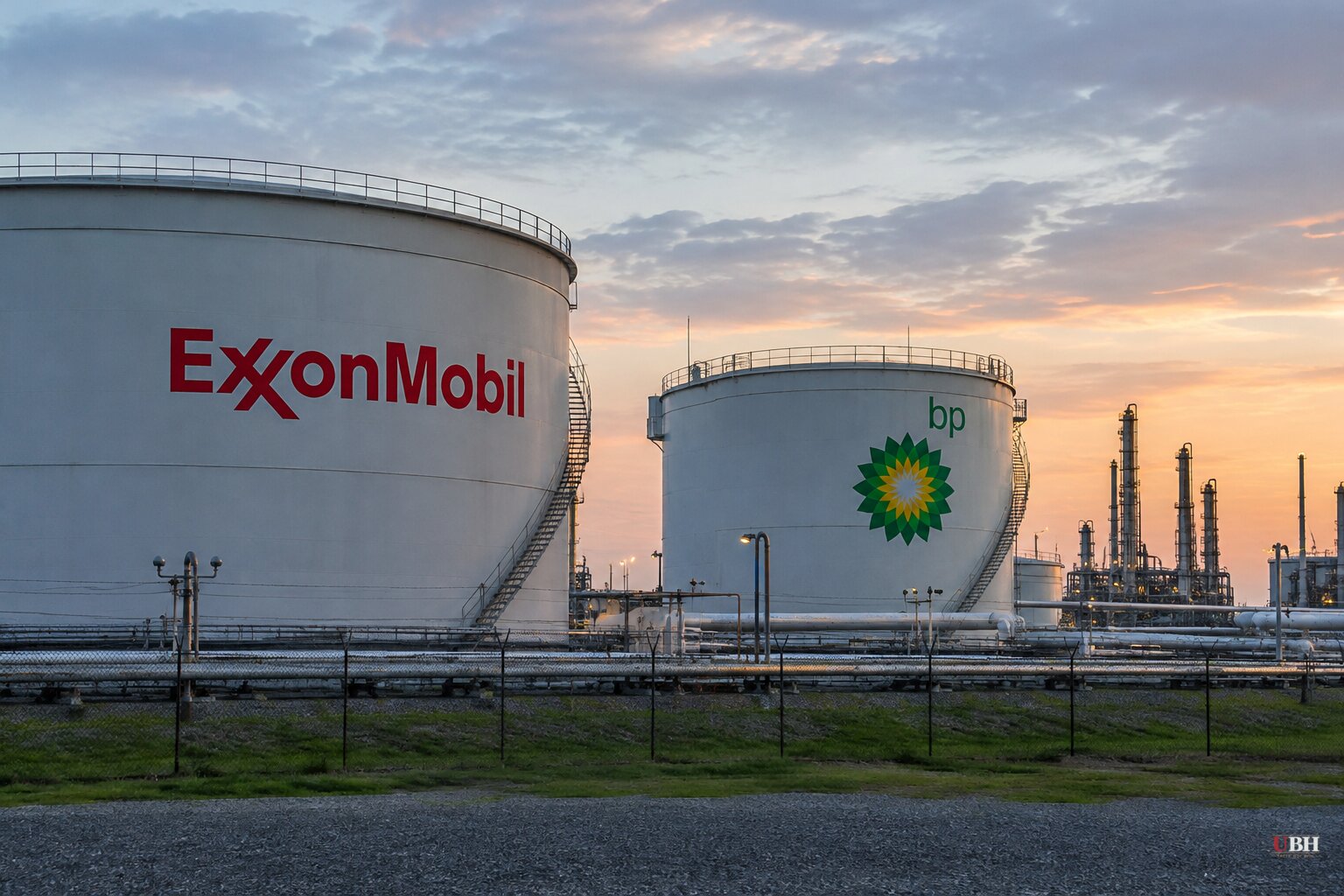
Since the U.S. and Israel struck Iran on Feb. 28 and tanker traffic through the Strait of Hormuz seized up, the Strategic Petroleum Reserve has been drawn down month after month. Today, Saturday, Oct. 10, the Energy Department added one more withdrawal, this time for a storm.
The department authorized an emergency exchange of up to 4 million barrels of crude. ExxonMobil and BP America can each take up to 2 million barrels to keep refineries running after Hurricane Isaias made landfall in Florida on Friday, Oct. 9, as a Category 2 storm. CNN reported gusts up to about 175 km/h (roughly 109 mph) and hundreds of thousands of customers without power on the Gulf Coast.
How the exchange works
This is a loan, not a sale. Under the terms, both companies must return the crude in 2027 along with additional premium barrels. The department has not said how large that premium is for these two deals.
Energy Secretary Chris Wright said the move is meant to "help maintain refinery operations, limit disruptions to fuel supplies, and ensure American families and businesses continue to have access to affordable, reliable, and secure energy." He said the requirement to return more than is borrowed will save taxpayers millions of dollars. The department says the arrangement strengthens the reserve "at no additional cost to taxpayers."
One detail matters for the math. The department said ExxonMobil's exchange will "accelerate deliveries of previously awarded SPR crude oil." So part of Exxon's share is barrels it was already due to receive, moved up in the schedule. The department has not broken out how much of the 4 million is new volume.
A reserve already at a four-decade low
The SPR held 284.6 million barrels in the week ending Sept. 18, its lowest level since November 1982, according to Atlantic Council analysts Jamie Webster and Morgan Bazilian. It held about 415 million barrels before the Iran war began.
The U.S. pledged 172 million barrels as its share of a 400 million barrel International Energy Agency release agreed in March. On Sept. 29 the Energy Department put out a request for the last 40 million barrels of that pledge, with bids due Oct. 6. Deliveries from earlier awards are scheduled for November and December. The department said its five previous solicitations awarded more than 133 million barrels across four completed exchanges, with a 25 percent premium in returned barrels.
The department has not said whether the hurricane loans count against the 172 million barrel pledge or sit on top of it. It has also not announced the results of the Oct. 6 bidding.
The argument over how low is too low
Critics of the pace of drawdowns are not hard to find. Samantha Gross, who directs the energy security and climate initiative at the Brookings Institution, told NPR that pumping too much out of the salt caverns can damage them. "You can damage them by pumping too much out of them," she said.
Ben Cahill of the Atlantic Council said the administration is now in a weaker position to use the reserve against high gasoline prices. "A lot of the things that got us through the last six months, all those buffers, have really been worn away," he said. Global stockpiles that were high before the war have mostly been used up, he said, so there is less oil available if Washington wants to refill.
Zacks Investment Research strategist Tracey Ryniec criticized the September offer on X. "I'm shocked they are bidding out the last 40 million barrels. That tells me they are desperate to keep oil prices around $80–$90 for another few weeks," she wrote. She said the release would push the SPR below 250 million barrels, which she called a "very dangerous level to go." That is her read of the administration's motive. The department has not said so.
The Atlantic Council analysts note the engineering question is itself disputed. Some engineers have warned publicly that going much lower risks damaging the caverns, while others have argued a lower level is not a problem.
The administration's case is on the record. Wright said in September that "the United States and Japan are delivering on their commitments, while several European member countries have released only a fraction of the crude oil and petroleum products they pledged." He also said the exchanges will keep the reserve refilling while saving taxpayers more than $3 billion.
Prices and production
Brent crude remains above $100 a barrel, about 47 percent higher than when the war began, according to NPR. Diesel is at a record high. The Atlantic Council says the strait remains effectively closed.
Domestic output is not the constraint. U.S. crude production averaged about 13.8 million barrels per day in June, close to the record of about 14 million set in October 2025, according to the Energy Information Administration. The problem is the world market and the Gulf Coast's refining and shipping system, which a hurricane can knock out in days.
The next concrete marker is the award of the 40 million barrel exchange, with deliveries slated for November and December. Whatever Exxon and BP draw this week comes due back in 2027, and the premium barrels are the only thing that adds to the reserve's inventory in the meantime.
Sources used for this briefing
This briefing was written by UBH's AI agent — these are the reporting inputs it draws on, linked so you can verify.


