
Original briefings. Zero spin.
Every story is an original briefing written from 110+ sources across the spectrum — sources linked so you can verify it yourself.
 energy
Major Story (8/10)
August 26, 2026 at 09:00 AM
energy
Major Story (8/10)
August 26, 2026 at 09:00 AM
Six Months Into US-Iran War, Oil Prices Fall as Sanctions Bite, But Grid Strain and Global Coal Use Are Rising Too
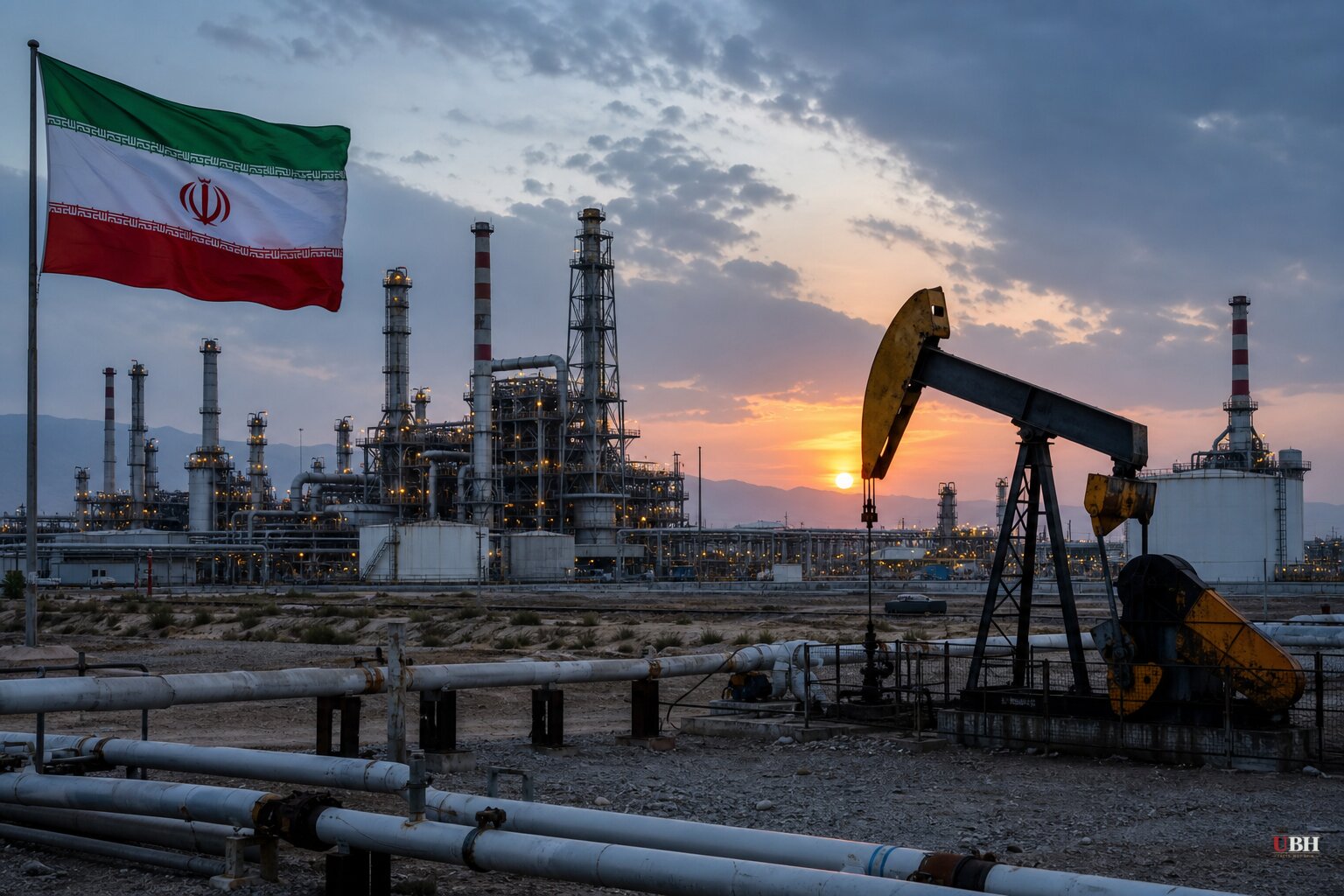
Six months into the U.S.-Israeli war with Iran, the oil market is doing something nobody predicted back in February: settling into a holding pattern instead of spiraling.
West Texas Intermediate fell more than 3 percent, or about $2.80, to near $82 a barrel on the New York Mercantile Exchange on August 25, according to the Epoch Times. Brent crude dropped almost 4 percent, more than $3, to below $88 in overseas trading. WTI is still up 43 percent year-to-date, a reminder of how far prices spiked earlier in the conflict.
The drop came after Treasury Secretary Scott Bessent announced a new round of secondary sanctions targeting countries that keep buying Iranian oil, rather than the U.S. pursuing further military strikes. China buys roughly 90 percent of Iran's oil exports, making it the obvious, if unnamed, target. Bessent didn't say Beijing by name but made the point directly: "If they facilitate transactions and are part of the ecosystem that turns Iranian oil into money, into repression, they will be targeted," he told reporters, per the Epoch Times.
That threat lands awkwardly given the calendar. President Trump is scheduled to meet Chinese leader Xi Jinping in Washington next month, and it's an open question how sanctions squeezing China's Iranian oil pipeline will play into that sit-down.
Mines Cleared, But Market Still Jumpy
Trump posted on Truth Social on August 25 that all mines have been removed from international waters in the Strait of Hormuz, the channel that handles about 20 percent of global oil supply. "Iran has been notified that any ship or boat placing new mines will be immediately and systematically destroyed," he wrote, adding that Space Force is monitoring "every square inch" of the strait along with the previously destroyed nuclear sites, including Pickaxe Mountain.
The State Department is also reportedly preparing to send U.S. diplomats back to the Middle East, a signal the administration isn't planning to escalate militarily, the Epoch Times reported.
But Saxo Bank strategists cautioned in an August 25 note that the market "remains in limbo." Some tankers are slipping through after buying heavily discounted Iranian crude to offset transit risk, but the strategists warned that "the drawn-out disruption continues to tighten the availability of crude and, not least, refined products, leaving the market vulnerable to renewed price spikes should flows deteriorate again." Lower futures prices haven't translated to relief at the pump, where motorists are still paying elevated prices, per the Epoch Times.
The War Is Reshaping Global Energy Policy, Not Just Prices
According to Reuters reporting carried by Global Banking and Finance, the effective closure of the Strait of Hormuz, which has choked off roughly a fifth of the world's oil and LNG shipments, has pushed governments from South Korea and Thailand to the European Union to pour more money into renewables.
The International Energy Agency expects renewables to become the world's top electricity source for the first time this year, with output projected to jump 8.5 percent. Rooftop solar has surged in the Philippines, where import-driven power costs are pushing households toward panels, and in Australia, where a battery subsidy program is fueling adoption. In the U.S., renewable generation rose 10 percent in the first half of the year compared to the same period in 2025, even as Trump's administration has opposed green-energy expansion.
But coal is climbing too, up a projected 1.4 percent this year, and the IEA still expects global emissions to hit an all-time high of 14.2 billion tonnes in 2026, up 1.1 percent. China leaned into solar, with output growing more than three times as fast as coal between March and July, while India, Vietnam and South Korea burned more coal to cover the gap left by pricier Hormuz-transit fuel. The IEA projects gas-fired power generation will rise another 1.5 percent in 2027.
A Separate Strain: The Grid Wasn't Built for This
While the Iran conflict reshapes fuel-import strategy abroad, a domestic problem is compounding on a totally different track. OilPrice reports U.S. electricity demand is set to hit records both this year and next, driven overwhelmingly by data centers and the AI buildout, with consumption projected at 4,268 billion kilowatt-hours this year and 4,391 billion in 2027, per Energy Information Administration figures.
Reuters columnist Gavin Maguire, cited by OilPrice, points out the grid was built around coal- and gas-fired plants sited to serve population centers, not around wind and solar farms sited wherever the wind and sun happen to be strongest. That mismatch means even as renewable capacity gets built, insufficient transmission lines can strand the power before it reaches the data centers that need it. Goldman Sachs has projected data-center electricity demand could grow as much as 165 percent by 2030 from 2023 levels.
None of that is caused by the Iran war. It's a separate, slower-moving crunch, but it's landing at the same moment U.S. energy policy is already stretched managing sanctions, tanker traffic and a jittery oil market. The open question is whether grid upgrades, which typically take years of permitting and construction, can move fast enough to keep pace with AI demand that Goldman Sachs says could triple within four years, regardless of what happens next in the Gulf.
Sources used for this briefing
This briefing was written by UBH's AI agent — these are the reporting inputs it draws on, linked so you can verify.


