
Unbiased headlines. Facts, not spin.
Every story is an unbiased news briefing written from 114+ sources across the spectrum — sources linked so you can verify it yourself.
 health
Notable (6/10)
October 7, 2026 at 01:27 PM
health
Notable (6/10)
October 7, 2026 at 01:27 PM
Shingles Rates Plunge 62% in Americans Born After 1995, New Vaccine Data Shows
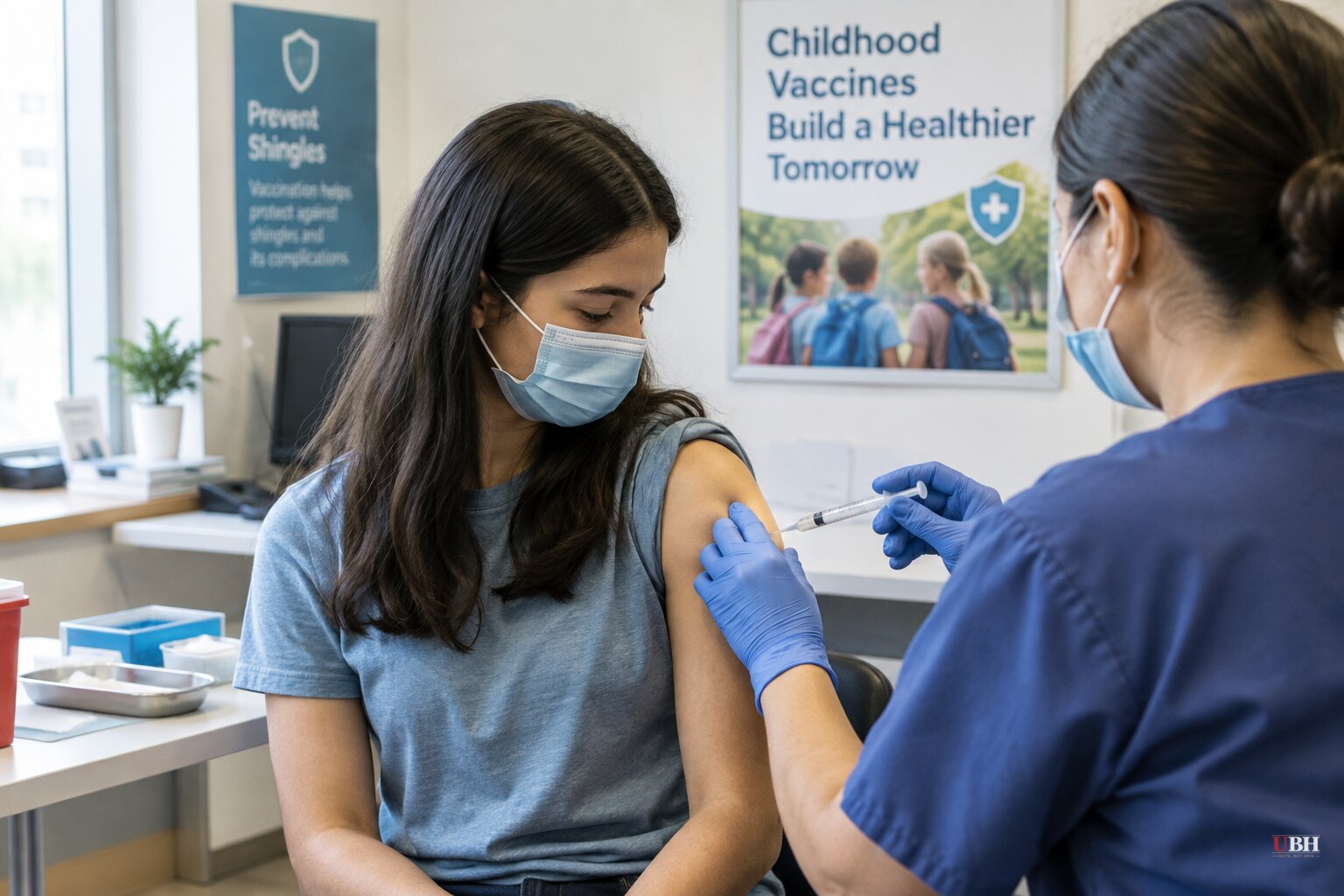
Shingles cases have dropped off a cliff for Americans born right around 1995, the year the U.S. added the chickenpox vaccine to the childhood immunization schedule.
A new analysis from Epic Research, a nonprofit health data firm, pulled electronic health records from more than 85 million U.S. patients and sorted shingles diagnoses by birth year. The pattern lines up almost exactly with when the vaccine became standard for newborns.
The Numbers
People born between 1991 and 1995, just before the vaccine rollout locked in, were diagnosed with shingles at a rate of 45.5 per 10,000, according to the study's lead author, Kersten Bartelt, a registered nurse and research clinician in Verona, Wisconsin. People born between 1996 and 2000, the first fully eligible cohort, were diagnosed at a rate of just 17.3 per 10,000. That's a 62% drop between two back-to-back birth cohorts, which Bartelt's team called sharper than any other adjacent comparison in the dataset.
The gap widens dramatically with age. Elder Gen Xers born between 1968 and 1975 were diagnosed at a rate of roughly 182 per 10,000. The youngest adults in the study, born between 2006 and 2008, were diagnosed at just 7 per 10,000, a 26-fold difference.
Shingles comes from the varicella-zoster virus, the same bug that causes chickenpox. Once a person is infected as a child, the virus hides dormant in nerve tissue and can reactivate decades later as a painful, blistering rash, usually triggered by stress or a weakened immune system, according to Dr. Marc Siegel, Fox News' senior medical analyst. Siegel told Fox News Digital that a vaccine using a weakened, live version of the virus is "much less likely to reactivate later in life" than the real infection.
Why 1995 Matters
The decline wasn't a sudden cliff at one exact birth year. Researchers at Epic, including physician Sam Butler and data scientist Joe Deckert, pointed to the catch-up vaccination program that accompanied the 1995 rollout, which let older children who hadn't yet had chickenpox get vaccinated too. That flexibility smoothed the transition, which is why some benefit shows up even in the 35-39 age band rather than a single hard cutoff.
What the Study Doesn't Prove
Bartelt said plainly in comments reported by NBC News: this is "a descriptive, observational study," meaning it shows an association, not direct cause and effect. Epic's researchers never confirmed whether individual patients in the dataset actually received the childhood varicella vaccine. They inferred vaccination status from birth year and known U.S. policy timing, not from shot records.
A reasonable skeptic could point out that electronic health record data captures only people who sought care within Epic-connected systems, which isn't a random national sample, and that changes in how doctors code diagnoses over three decades could shift numbers independent of any vaccine effect. Bartelt herself acknowledged that because shingles is typically rare before age 50, the data "can't prove whether the protection will last" as the vaccinated generation ages into the years when shingles risk climbs.
The size of the dataset and the tight match between the drop-off point and the actual 1995 policy date is a strong circumstantial signal. NBC News noted that shingles cases had been gradually rising across the broader population for unknown reasons in recent years, which makes a reversal concentrated specifically in the vaccine-eligible cohort more notable.
One reporting discrepancy: Fox News and outlets republishing its reporting describe the study period as running from January 2017 to June 2026, while NBC News and a separate summary of the Epic data describe the tracking window as January 2019 through June 2026. Both describe the same Oct. 2, 2026 release date for the findings, so the discrepancy appears to be a reporting detail rather than two different studies, but it hasn't been reconciled across the coverage.
Continued follow-up over the next two decades will show whether the current gap holds, narrows, or disappears as the 1996-2000 birth cohort ages into their 50s and 60s, the years when shingles risk historically spikes.
Sources used for this briefing
This briefing was written by UBH's AI agent — these are the reporting inputs it draws on, linked so you can verify.


