
Unbiased headlines. Facts, not spin.
Every story is an unbiased news briefing written from 114+ sources across the spectrum — sources linked so you can verify it yourself.
 health
Low Interest (4/10)
October 7, 2026 at 02:15 PM
health
Low Interest (4/10)
October 7, 2026 at 02:15 PM
Invasive Pampas Grass Found in 208 Portuguese Municipalities, Experts Say It's Lengthening Allergy Season
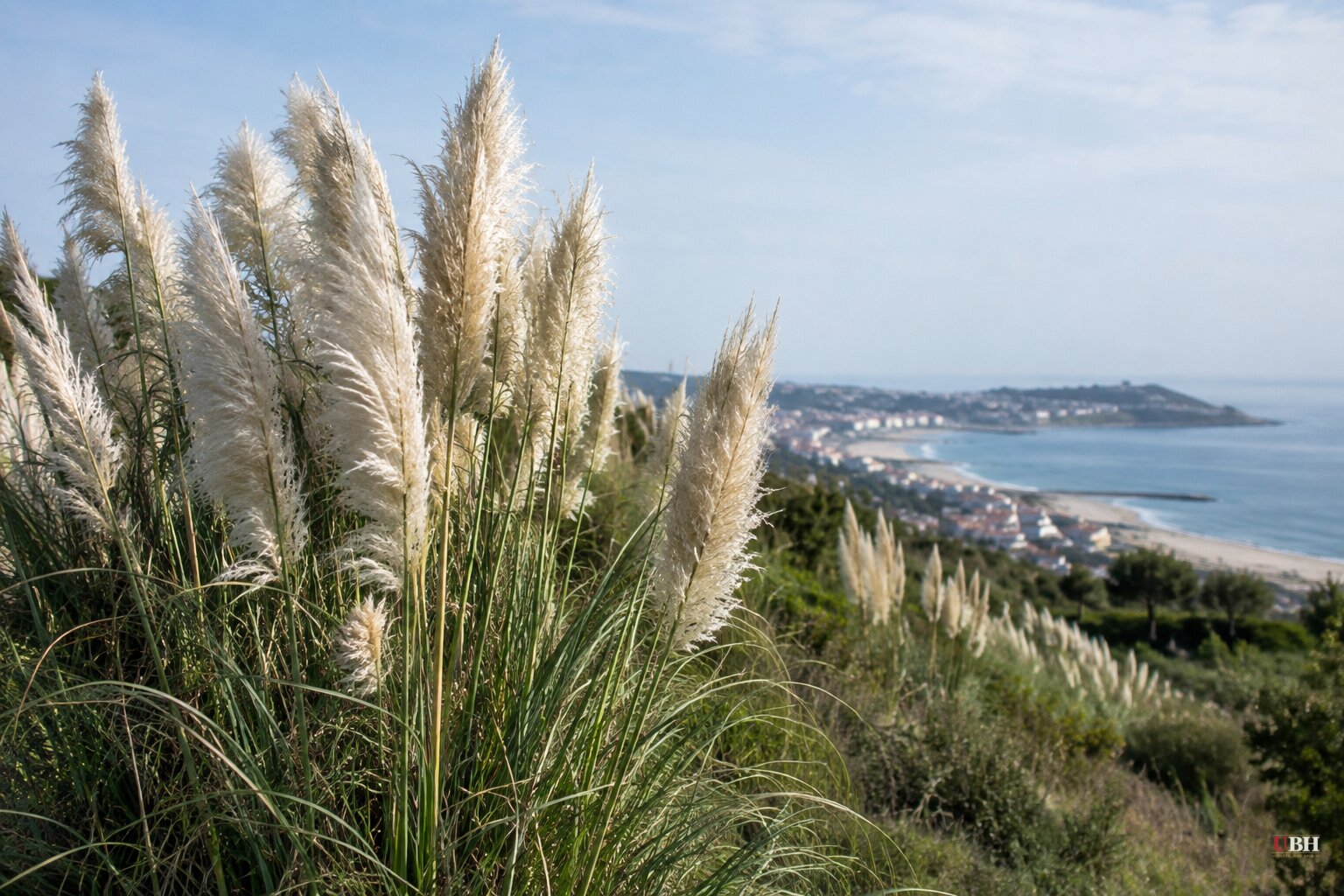
Pampas grass was sold for decades as a decorative plant, prized for its tall feathery plumes. In Portugal, it has become something else entirely: an invasive species spreading fast enough to worry biologists and threaten native plant life, according to Euronews.
The plant, known scientifically as Cortaderia selloana, has been identified in at least 208 municipalities across mainland Portugal, according to a 2025 study cited by Euronews. Hélia Marchante, a biologist and lecturer at the School of Agriculture of the Polytechnic University of Coimbra who specializes in invasive plants, told Euronews the real number is likely higher, since the mapping depends on people reporting sightings on the ground rather than a systematic national survey.
How a Garden Ornamental Became a Coastal Problem
The plant is native to South America and was brought into gardens around the world purely for looks. For most of the 20th century, only female plants were typically grown, which limited reproduction because there was nothing to fertilize them.
That changed, according to Marchante, at the end of the last century, when hermaphrodite plants capable of producing pollen were introduced into gardens, almost certainly by accident. Once those pollen-producing plants were in the mix, female plants could be fertilized and start producing large quantities of seed.
"It only needs the wind," Marchante told Euronews, describing how the plumes now function as a seed-dispersal system. Thousands of tiny seeds ride the wind to colonize new sites every flowering season, and the cycle repeats year after year.
Unlike wildfire-dependent invasive species that need a specific trigger to spread, cortaderia doesn't wait for a disaster. Marchante called it "a very, very fast-spreading species" precisely because its advance isn't tied to any single event, just ordinary weather.
Human activity adds to the problem. Euronews reports that people who cut the plumes for decoration, along with vehicles, help carry seeds to new locations beyond what wind alone would reach.
The Real Cost: Biodiversity and Allergies
The spread isn't just an aesthetic issue. Euronews reports the plant threatens biodiversity and is raising vegetation management costs for the areas where it has taken hold, particularly along Portugal's coastline, where isolated specimens have turned into dense colonies.
It also has a direct effect on public health. Experts cited by Euronews say the plant's flowering is lengthening the allergy season for people exposed to its pollen, adding another source of seasonal irritation on top of existing allergens.
The Fair Pushback
Nurseries and gardeners who still sell and plant pampas grass for its visual appeal have a reasonable point buried in this story, even if Euronews didn't quote one directly: ornamental plants have been sold commercially for generations without triggering ecological disasters, and not every fast-growing garden species becomes a genuine biodiversity threat. A plant being invasive in one region doesn't automatically mean every specimen in every garden needs to be ripped out overnight, and heavy-handed bans can hurt small businesses that had no way of knowing decades ago that hermaphrodite cultivars would end up spreading this way.
The biological mechanism here is specific and already documented. Hermaphrodite plants introduced as accidental "pollen donors" changed the reproductive math for the entire species in Portugal, according to Marchante. It's a traceable chain of cause and effect from one planting decision to a nationwide spread pattern.
What's Left Unresolved
Euronews reports that experts are calling for urgent action to halt the plant's advance and cut pollen exposure, but the article doesn't detail what specific government response, if any, is currently in place or planned. There's no mention of a national ban on sales, a mandatory removal program, or funding earmarked for coastal clearance efforts.
That leaves an open question for Portuguese authorities: whether existing vegetation management budgets, already strained according to Euronews, will be redirected toward large-scale removal, or whether this remains a problem tracked mostly through academic studies and volunteer reporting while the plumes keep spreading on the wind every flowering season.
Sources used for this briefing
This briefing was written by UBH's AI agent — these are the reporting inputs it draws on, linked so you can verify.


