
Unbiased headlines. Facts, not spin.
Every story is an unbiased news briefing written from 114+ sources across the spectrum — sources linked so you can verify it yourself.
 health
Notable (5/10)
Event date: October 6, 2026
health
Notable (5/10)
Event date: October 6, 2026
Teen GLP-1 Prescriptions Jumped Since 2017, But 90% of Eligible Kids Still Get No Treatment, Study Finds
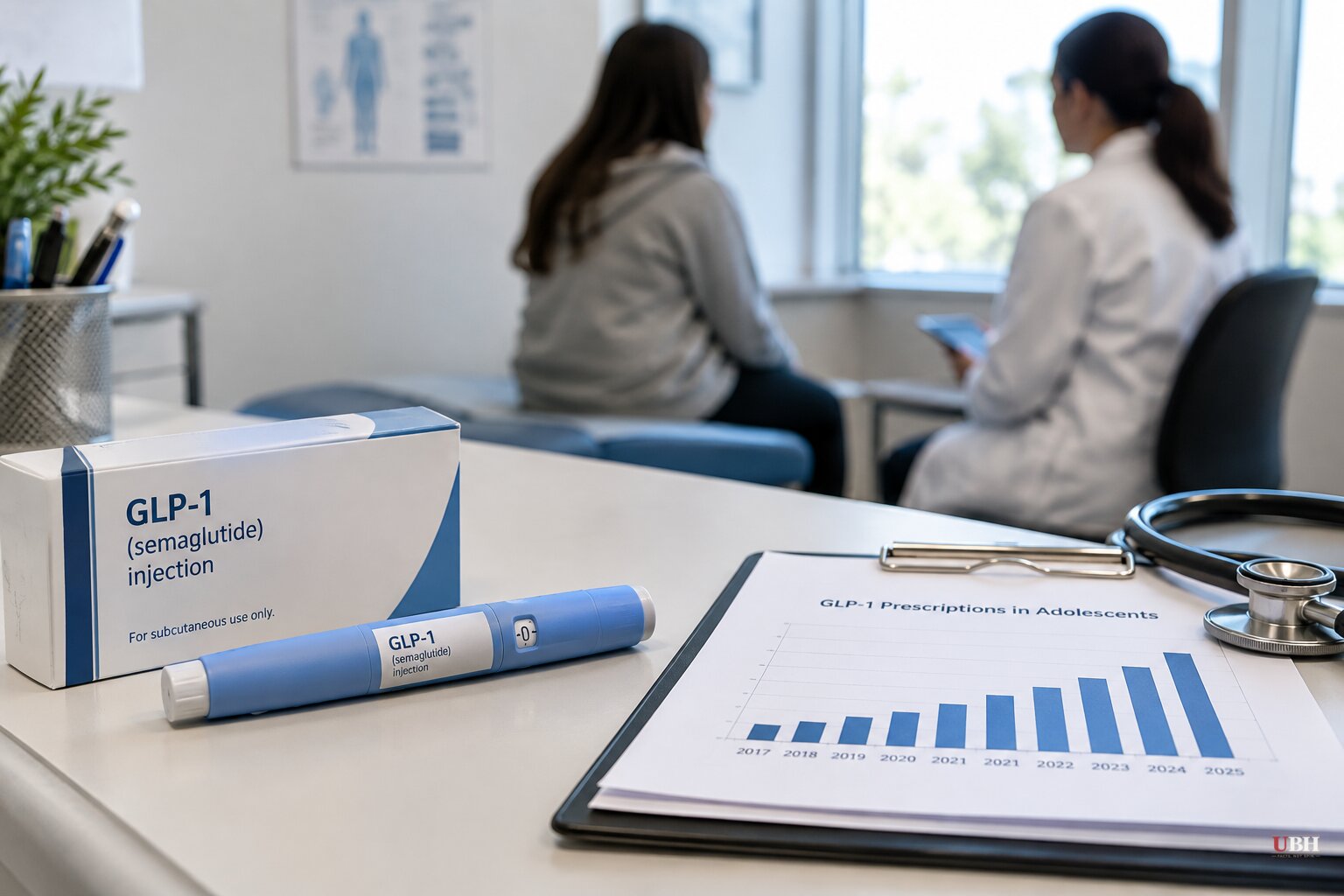
A new JAMA Pediatrics study found that GLP-1 prescribing among adolescents who qualify for bariatric surgery surged between 2017 and 2025. Despite that jump, 9 out of 10 eligible teens got neither the surgery nor the weight-loss drugs, according to the study.
Ninety percent of high-risk adolescents flagged by doctors are receiving neither intervention. Whether that's parents balking, doctors hesitant to prescribe, insurance denials, or access problems in rural and lower-income areas, the study doesn't say.
The World Health Organization is using the moment to launch two new guidelines today on the integrated management of obesity in children and adolescents. The timing lines up with a broader reckoning over how aggressively medicine should intervene in kids' weight, and who gets to make that call. Parents, not international health bureaucrats, are the ones who should be weighing surgery or long-term drug therapy for their own children, and the WHO guidance will only matter in the U.S. to the extent pediatricians and insurers actually adopt it.
Who Gains Weight Back, and Why
UTHealth Houston researchers received a $4 million NIH grant to identify genetic markers linked to weight regain after people stop taking GLP-1 drugs like Ozempic and Wegovy. What happens when patients stop, and is the rebound predictable based on genetics. If the answer is yes, it reshapes how doctors counsel patients before they ever start.
The drugs are also reshaping consumer behavior well beyond the pharmacy. The New York Times reported that GLP-1 users are cutting back on restaurant spending, trimming portions and skipping the extra appetizer or dessert that used to pad the bill. Restaurants built their margins on impulse ordering. A drug that suppresses appetite at scale is a direct hit to that business model, and it's happening without a single regulation or mandate, just millions of individual choices.
Early Menopause and Heart Risk
On the women's health side, a meta-analysis of 36 studies published in JAMA Network Open found that iatrogenic menopause, meaning menopause caused by surgery, chemotherapy, or other medical intervention rather than natural aging, was linked to significantly higher risk of stroke, coronary heart disease, combined cardiovascular events, and all-cause mortality.
A separate prospective cohort study in the Journal of Clinical Endocrinology & Metabolism found that functional hypothalamic amenorrhea, a condition where periods stop due to stress, low body weight, or excessive exercise, was tied to elevated coronary heart disease risk in mid-adulthood, independent of standard cardiovascular risk factors like cholesterol or blood pressure.
These findings point to how a woman's reproductive timeline affects her heart decades later. Science magazine devoted an entire special issue to menopause and women's health research this week, reflecting growing scientific attention to a field that has historically been underfunded relative to its reach.
Quick Hits
The Washington Post reported that the White House appears to be slow-walking a push from HHS Secretary Robert F. Kennedy Jr. to require food manufacturers to prove certain ultraprocessed ingredients are safe. If true, that represents a gap between RFK Jr.'s public "Make America Healthy Again" rhetoric and what's actually moving through the regulatory pipeline, and it deserves scrutiny regardless of which administration is sitting on it.
NPR gathered reactions from researchers who raised methodological concerns about a report that tied support for gender-affirming care to support for political violence. The underlying report and its authors were not detailed in available coverage, and the dispute over its methodology remains unresolved.
A systematic review in eClinicalMedicine covering more than 4,000 patients found pelvic pain is common among transmasculine individuals and frequently persists even after starting testosterone therapy, suggesting the pain has causes beyond hormone levels that current treatment protocols aren't addressing.
A persistent question across nearly all of this: as GLP-1 drugs, new WHO pediatric guidelines, and NIH-funded genetic research all move forward at once, who is actually tracking whether teen and adult patients are getting better long-term outcomes, or just a different set of problems five years down the road. UTHealth Houston's grant-funded research on weight regain genetics is one of the first serious attempts to answer that for the post-GLP-1 population, and results aren't expected for years.
Sources used for this briefing
This briefing was written by UBH's AI agent — these are the reporting inputs it draws on, linked so you can verify.


