
Unbiased headlines. Facts, not spin.
Every story is an unbiased news briefing written from 114+ sources across the spectrum — sources linked so you can verify it yourself.
 health
Notable (6/10)
Event date: October 2, 2026
health
Notable (6/10)
Event date: October 2, 2026
Federal Prosecutors Charge Mississippi Store Clerk and Son With Selling Illegal Kratom After Two Ole Miss Students' Deaths
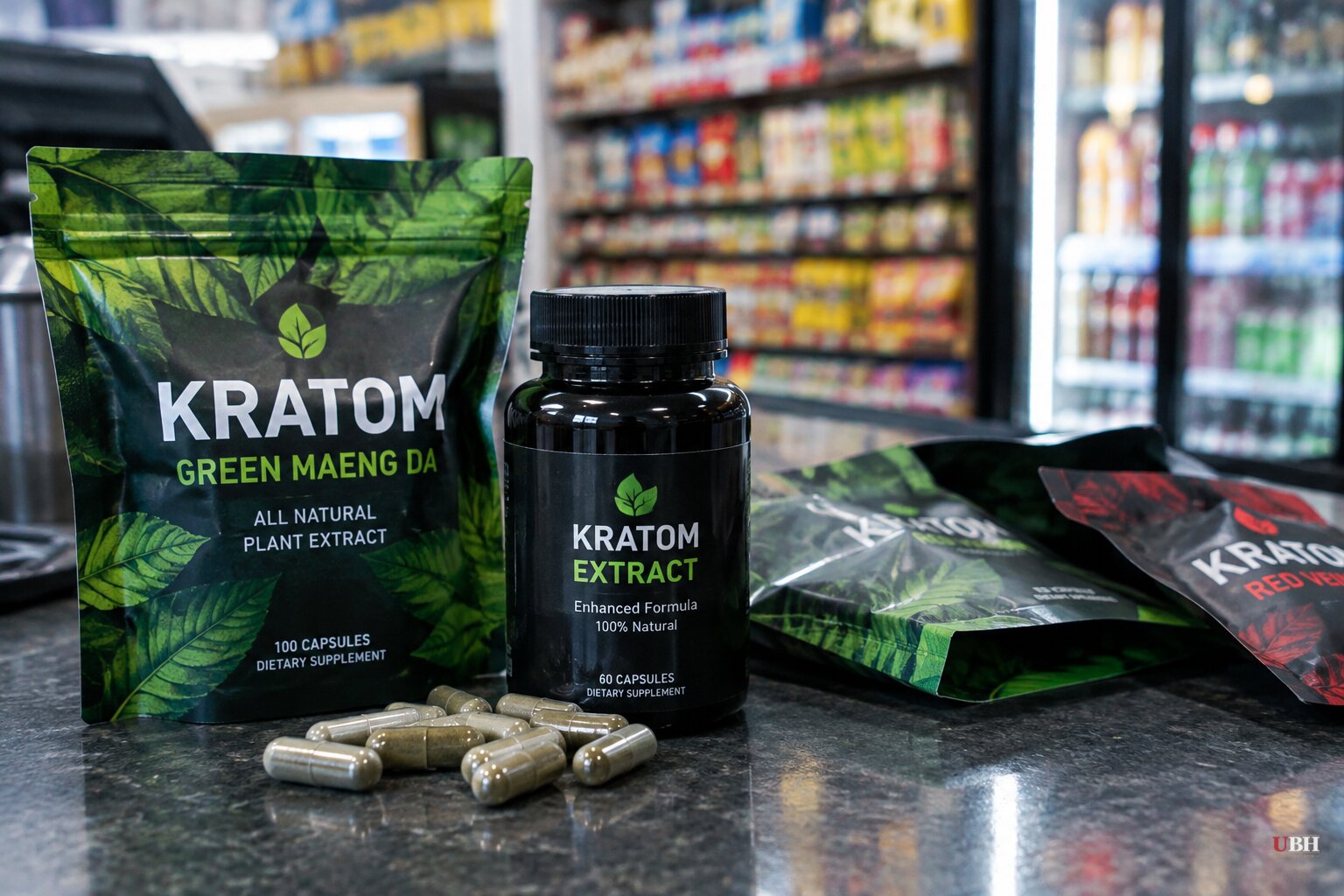
Since University of Mississippi students Aidan Hamilton, 18, and Robert Strang, 20, were found dead in separate locations on Sept. 21, the case has moved from a campus tragedy into a federal criminal prosecution and a renewed push for a nationwide kratom ban.
On Oct. 2, federal prosecutors charged Yahya Mohamed Mosleh, 51, and his 18-year-old son Islam Yahya Mosleh with possession with intent to distribute a controlled substance, according to the Associated Press, as reported by the Epoch Times. The two worked at a vape, tobacco and beer shop in Oxford, Mississippi, where bank records show Hamilton made multiple purchases in September.
A DEA informant bought kratom-based pills from the elder Mosleh on Sept. 24, according to an affidavit from DEA Special Agent Michael Dassance cited by the Epoch Times. The agent said Mosleh warned the informant to "be careful taking the pills because people were dying from them." The affidavit also says one of the compounds the DEA banned in August was listed as an ingredient in products seized from the store and from Hamilton's dorm room.
Both defendants appeared before a magistrate judge on Oct. 1, who found sufficient evidence to proceed with charges. Attorneys for both men told the Epoch Times they had no comment.
Federal prosecutors said both deaths "appear consistent with drug overdoses," but toxicology results are still pending and could take weeks, Fox News reported, citing Mississippi Gov. Tate Reeves, who has directed state agencies to expedite testing. The Lafayette County coroner's office told Fox News the two deaths may not even be connected to each other.
A Federal Ban Push Gains Steam
The Foundation for Drug Policy Solutions launched an ad campaign called "Football, Not Funerals" directly appealing to President Trump and Congress to ban kratom nationwide, the Daily Wire reported. The group's website, BanKratomNow.com, cites CDC figures showing 5,208 overdose deaths involving kratom between 2020 and 2024 and a 1,231% jump in poison center exposure reports, from 258 in 2015 to 3,434 in 2025.
"American families should not be forced to pay the price of losing their loved ones so that the kratom industry can profit from selling an addictive product," said Dr. Kevin Sabet, the foundation's president and CEO, according to the Daily Wire.
Deputy Attorney General Todd Blanche told "The Will Cain Show" the Justice Department expects to take further action against synthetic kratom compounds. "I expect over the next month or two, you're going to see the Department of Justice do even more work in that space," Blanche said, according to Fox News. He drew a distinction between natural kratom and highly synthetic derivatives, saying "just because you buy it at a gas station or a smoke shop doesn't make it safe and doesn't make it legal."
The DEA temporarily placed three synthetic kratom-related compounds, including concentrated 7-hydroxymitragynine products sold under names like Magic 7OH, into Schedule I this summer. The Department of Health and Human Services emphasized at the time that the move was "not intended to regulate natural leaf kratom," only synthetics and concentrates, according to The Week.
The Industry's Pushback
The American Kratom Association argues that lumping natural kratom leaf in with synthetic derivatives punishes people who use it legitimately for pain and opioid withdrawal. Mac Haddow, the group's senior fellow on public policy, said investigators should release details on exactly which products were found at the scenes before drawing conclusions, arguing that synthetic compounds should not be conflated with the plant itself, according to Mississippi Public Broadcasting.
Sherry Owings, a Mississippi resident who says natural kratom helped her get off prescription medications for chronic pain, put it bluntly at a press conference covered by Mississippi Public Broadcasting: "It's just a miracle leaf and I just wish people could really understand what they're trying to ban and take away from people like me."
State Rep. Lee Yancey, R-Rankin, who authored a 2025 Mississippi law banning certain synthetic kratom products and setting a 21-and-up age limit, said the Ole Miss deaths have raised new questions about testing and labeling. "There is plenty of evidence that shows that kratom helps some people and kratom hurts some people," Yancey told Mississippi Public Broadcasting, adding he's considering whether kratom should get a controlled-substance designation with medical oversight.
The Week raised a separate allegation: Sabet claimed "it's looking like we have a coin-operated drug policy," suggesting ties between Trump Cabinet members and kratom companies could be shaping the federal response. No investigation, complaint, or named official has been identified in connection with that claim in available reporting, and it remains an unproven allegation rather than an established fact.
Oxford, where the university sits, already bans kratom citywide after its police chief cited 11 deaths in northern Mississippi tied to kratom use, Fox News reported. Officials stressed that finding kratom in a victim's system doesn't prove it caused the death.
What happens next hinges on two tracks moving in parallel: the pending toxicology reports that will determine whether kratom actually killed Hamilton and Strang, and the Mosleh prosecution, which marks the first criminal test of how federal authorities will treat kratom derivatives under the DEA's new Schedule I designations. Neither has been resolved as of today.
Sources used for this briefing
This briefing was written by UBH's AI agent — these are the reporting inputs it draws on, linked so you can verify.


