
Unbiased headlines. Facts, not spin.
Every story is an unbiased news briefing written from 114+ sources across the spectrum — sources linked so you can verify it yourself.
 energy
Notable (6/10)
October 13, 2026 at 09:47 AM
energy
Notable (6/10)
October 13, 2026 at 09:47 AM
Shell Australia Chair Calls Gas Reservation Plan a 'Sledgehammer' as Bill Heads to Parliament
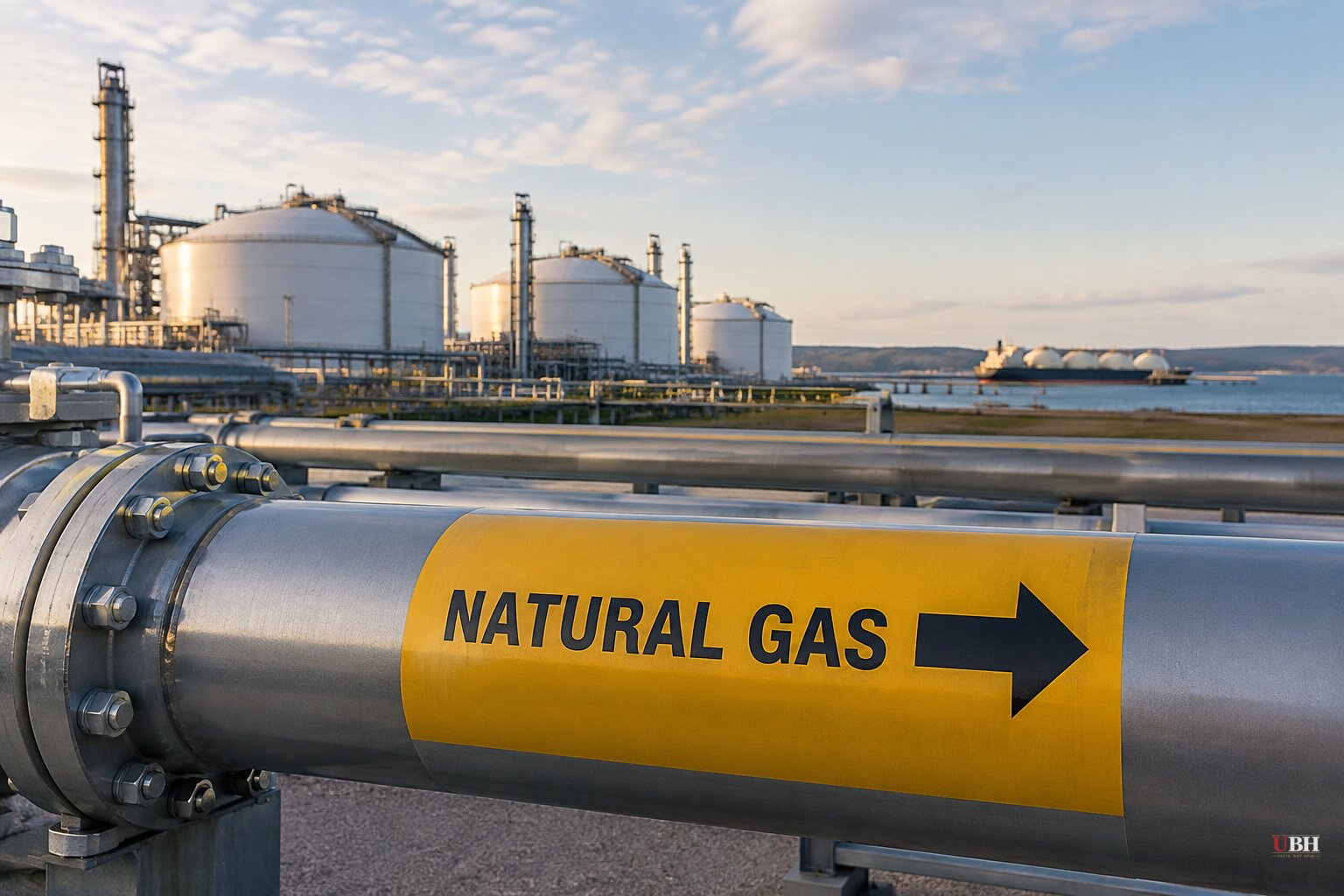
Shell is taking on Canberra over gas.
Cecile Wake, chair of Shell Australia, told a conference in Sydney on Tuesday, Oct. 13, that the government's plan to make LNG producers reserve part of their output for domestic buyers is "fundamentally, a sledgehammer to crack a nut." She called it "an extraordinarily heavy-handed intervention into a market that is actually working well."
The Albanese government is set to introduce the legislation in parliament this week. The Nightly reports it is due on Wednesday, Oct. 14.
What the plan would do
The policy targets the three LNG export projects on Australia's east coast, run by Shell, Origin Energy and Santos. Shell exports from the Queensland Curtis LNG project.
Under the draft proposal, exporters could be required to reserve up to 20% of their production for the domestic market. The energy regulator would set the exact obligation. The aim is to supply the east coast with gas equal to 110% of forecast demand.
The government has said producers "must supply" a set share of their output locally, rather than simply offering it to any prospective buyer.
Start dates cited for the policy range from July 2027 to Jan. 1, 2028. The Nightly's account says the reservation would cover new, spot-market and uncontracted gas and would leave existing long-term contracts with Asian buyers untouched. It also describes the plan as similar to an existing scheme in Western Australia.
Shell's objections
Wake did not reject the idea of a domestic reserve. Her objection is to the design.
She singled out two elements: the 110% supply target, which she called a "permanent material structural oversupply," and the obligation to sell regardless of prevailing prices, which she described as "a completely asymmetrical contracting market."
"We don't have a market failure today, but we will sow the seeds of tomorrow's market failure if we don't fix those two elements," she said.
Her sharper point was about price. "It is not talking about modest downward pressure on prices," Wake said. "The architecture, and that may well be the intention, but the way it would play out ... is to drive prices below the long-run marginal cost of bringing new production out."
That is the investment argument. If domestic prices sit below what it costs to develop new supply, Shell's case is that producers will stop developing it, and shortages come back later.
Shell is also the party being regulated. Its position is that of a company facing a new obligation.
The government's case
The government says the policy is meant to address anticipated supply shortfalls and bring down energy prices. Australia is one of the world's largest LNG exporters and ships more gas abroad than it uses at home.
The geography is awkward. Most of the country's large gas reserves are in the northwest, far from the more populous southeast where demand is concentrated. Eastern buyers have faced tight supply and high prices despite the export boom.
Canberra's position is that a country exporting that much gas should not leave its own households and manufacturers short. Wake's reply is that the remedy overshoots, not that the problem is imaginary.
What is still open
The legislation has not yet been tabled, so the final percentages, the regulator's powers and the start date are not settled. The 20% figure is a ceiling in the draft, and the regulator would decide the actual obligation.
Origin and Santos, the other two exporters in scope, were not quoted in the material from Tuesday's conference. The Nightly's headline refers to criticism from Woodside and China as well, but the details of those objections are not set out here.
The immediate test comes when the bill is tabled this week and parliament sees whether the 110% target and the sell-regardless-of-price obligation survive in the text. Those are the two elements Wake says must be fixed.
Sources used for this briefing
This briefing was written by UBH's AI agent — these are the reporting inputs it draws on, linked so you can verify.


