
Unbiased headlines. Facts, not spin.
Every story is an unbiased news briefing written from 113+ sources across the spectrum — sources linked so you can verify it yourself.
 defense
Major Story (8/10)
October 1, 2026 at 10:44 AM
defense
Major Story (8/10)
October 1, 2026 at 10:44 AM
Russia Hits Ukraine's Power Grid in Biggest Combined Strike Since Last Heating Season, Kyiv Hits Back at Russian Refineries
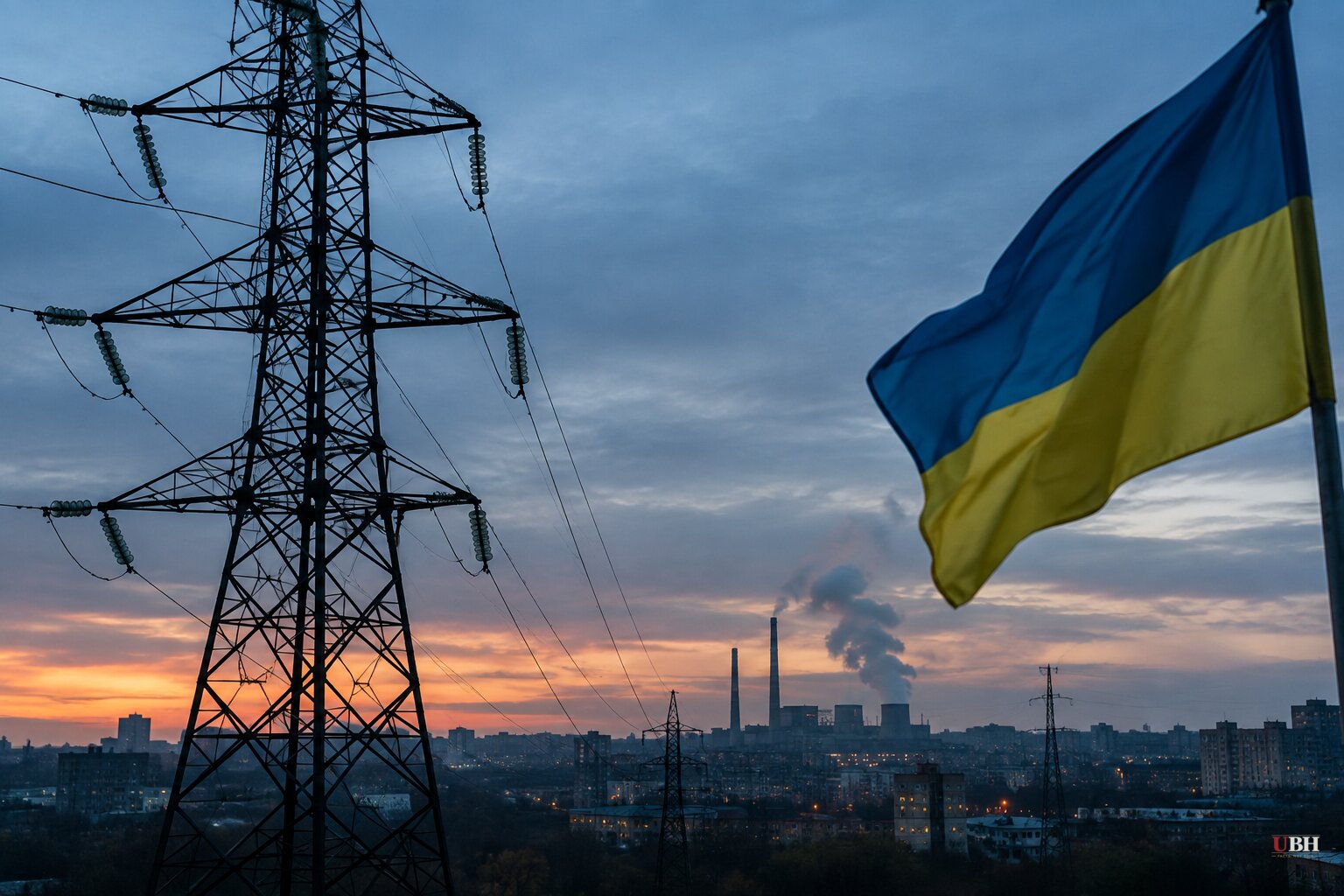
Since Ukrainian Prime Minister Serhii Koretskyi said Wednesday that Russia had launched its first truly massive, combined strike on the power grid since last heating season ended, outages have spread from Kyiv to five other regions and repair crews are racing to restore service before another cold night.
The grid attack
Seven people were killed when Russia hit energy infrastructure across multiple Ukrainian cities, officials said Wednesday, according to CNBC. Ukrenergo, the state grid operator, imposed emergency power cuts in Kyiv and three other regions.
"Since the summer, there has been practically no day when the enemy has not attacked energy infrastructure," Koretskyi said via Telegram, according to a translation cited by CNBC. "But such a massive and combined attack has occurred for the first time since the end of the last heating season."
By Thursday, Ukrenergo reported outages in the Kharkiv, Chernihiv, Sumy, Rivne and Kirovohrad regions, urging households to shift heavy electricity use to daytime hours, according to Euronews. "Where security conditions currently allow, emergency repair and restoration work is already under way," the operator said.
Two Russian drones struck the support structure of Kyiv's Pivdennyi Bridge, suspending metro and surface transit across the Dnipro River while engineers inspect the structure, Kyiv mayor Vitaly Klitschko said, according to Inkl. A Russian strike also hit a Kyiv school; President Volodymyr Zelenskyy said children and teachers were already in a shelter and there were no casualties. One person was injured overnight into Thursday when a Russian attack hit a business center in Odesa, sparking a fire, Euronews reported.
Russia's Ministry of Defense confirmed it carried out a "massive strike" using ground-based precision weapons and attack drones against a Kyiv communication center, energy facilities, and port infrastructure in Izmail in the Odesa region, according to CNBC. Moscow said in late August it was preparing exactly this kind of bombardment in response to Ukrainian strikes on Russian fuel and energy sites.
Kyiv keeps hitting refineries
Ukraine answered within days. Zelenskyy said Ukrainian forces struck an oil facility in Russia's Samara region, a drone launch and storage site in the Oryol region, a supply depot in the Bryansk region, and a vessel in the Black Sea, according to statements carried by both The Guardian and RBC Ukraine. "These are exactly the kind of just responses we need right now," Zelenskyy said. "We will continue to deprive Russia of the ability to keep this war going."
A Sept. 21-22 campaign saw Ukraine's General Staff confirm strikes on two major refineries: the Bashneft-UNPZ plant in Bashkortostan and the Kuibyshev refinery in Samara Oblast, according to the Kyiv Independent. Both process millions of tons of oil annually and supply the Russian military, the General Staff said. Half of Russia's six largest diesel-producing refineries cut or halted output in September following the drone campaign, the outlet reported.
Trump's pressure, and the diesel fight
President Trump has repeatedly pushed Zelenskyy to stop hitting Russian refineries, arguing the strikes are driving a global diesel shortage. "Mr. Zelensky has to do one thing. He has to stop knocking out diesel fuel in Russia," Trump said Sept. 13, according to the Kyiv Independent. "Let him go after targets, but not diesel fuel, because he's causing a shortage of diesel."
Trump has also claimed Russia and Ukraine agreed to halt strikes on energy facilities, though both nations quickly said no formal deal had been finalized, CNBC reported.
Trump's diesel argument is contested by his own administration's broader framing of the fuel market. Breitbart, citing the Associated Press, noted that the "global crunch" in diesel followed not just the refinery strikes but also curtailed oil shipments through the Strait of Hormuz tied to the Iran war. Carnegie Europe analyst Thomas de Waal, in a report cited by the AP, said Russian and Ukrainian wartime disruptions have slashed both countries' agricultural exports by two-thirds in the past month, warning that the lost grain supply puts African nations at risk of famine while global cereal prices, already pushed up by the Hormuz closure, could climb further.
French President Emmanuel Macron said France would send Ukraine more radars to help protect its grid and that he discussed with Trump the possibility of an energy-strike truce and a Black Sea "moratorium," according to Breitbart.
Diplomatic fallout widens
The UK adopted 31 new sanctions measures targeting LNG shadow-fleet vessels, Kremlin disinformation networks, and people accused of torturing Ukrainian civilians or indoctrinating Ukrainian children, Britain's Foreign Office said, according to Inkl. Europe minister Stewart Wood said the UK is "targeting both the revenues that help sustain Russia's aggression and perpetrators of horrendous crimes." The Kyiv Independent reported Oct. 1 that the package includes a carve-out letting Japan and South Korea continue importing Russian LNG.
Separately, Russia ordered a group of Hungarian embassy staff in Moscow, St. Petersburg and Kazan to leave within two weeks, retaliating after Hungary expelled ten Russian diplomats in early September for activities Budapest called "unacceptable," according to Inkl.
NATO has also condemned what it called Russian nuclear threats after a tense exchange over Kaliningrad, the Russian exclave between Poland and Lithuania, with Moscow's embassy in Belgium accusing the alliance of "reckless and irresponsible" escalation, CNBC reported.
Zelenskyy has asked allies, including the United States, for more interceptor missiles to counter Russian ballistic strikes as the heating season begins. "Every interceptor missile truly saves lives," he said Wednesday, according to Euronews. "And the closer we get to winter, the more of this protection we need." Whether Washington will approve additional interceptor shipments, and whether Trump's push for a mutual energy-strike truce survives this week's exchange of attacks, remains unresolved.
Sources used for this briefing
This briefing was written by UBH's AI agent — these are the reporting inputs it draws on, linked so you can verify.


