
Unbiased headlines. Facts, not spin.
Every story is an unbiased news briefing written from 110+ sources across the spectrum — sources linked so you can verify it yourself.
 defense
Major Story (8/10)
July 30, 2026 at 08:18 AM
defense
Major Story (8/10)
July 30, 2026 at 08:18 AM
Reuters: Iran Set to Receive Up to 400 Chinese-Made Shoulder-Fired Missile Launchers in Coming Weeks
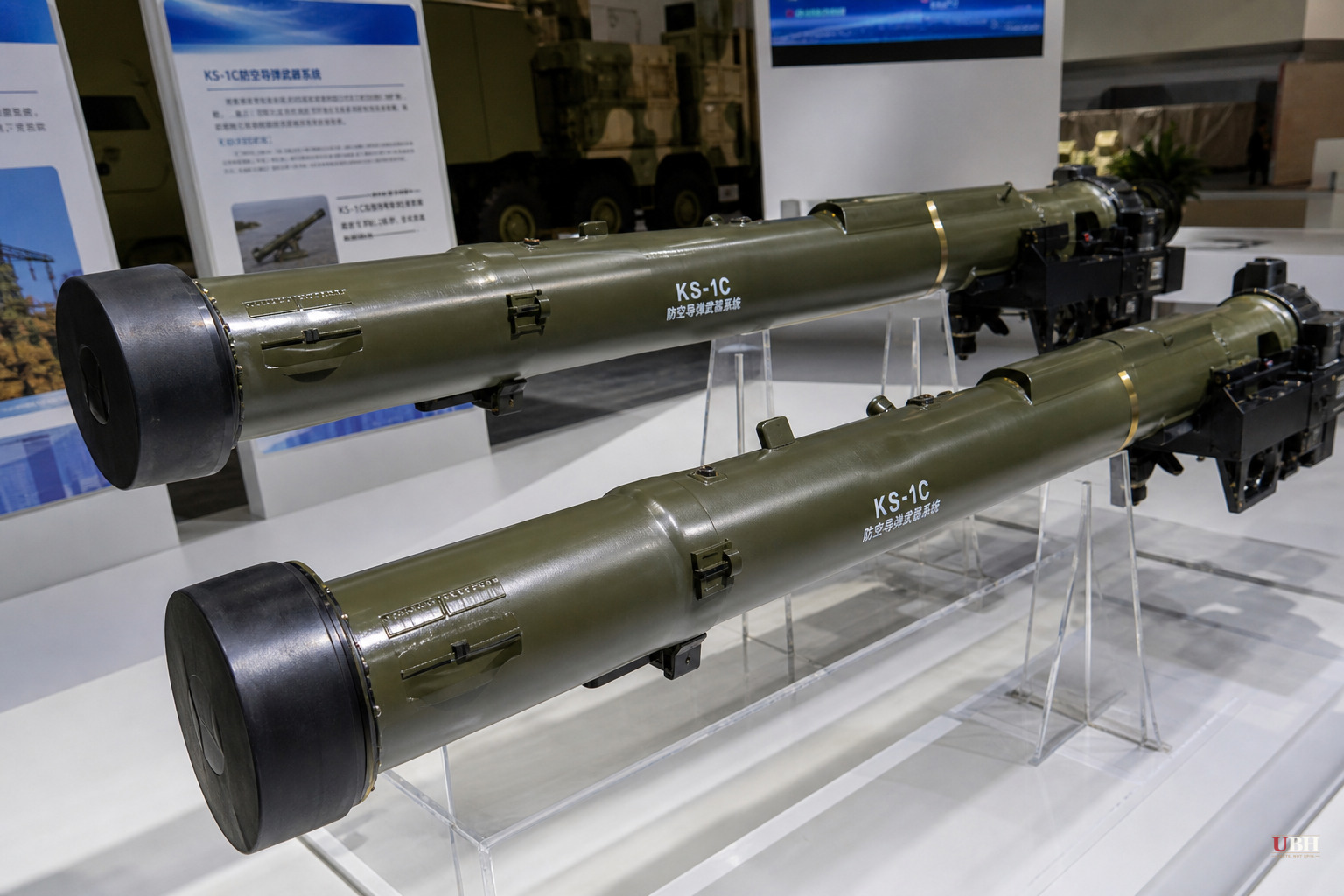
Iran is expected to receive its first shipment of Chinese-made shoulder-fired air-defense missile launchers within weeks, according to a Reuters investigation citing three anonymous sources familiar with the deal. The full order could total up to 400 units.
The contract, valued between $60 million and $70 million, covers 300 to 400 man-portable air defense systems, known as MANPADS, including Chinese QW-12 and FN-16 missiles, Reuters reported. It's described as one of Tehran's largest known efforts to rebuild its short-range air defenses since fighting broke out with the United States and Israel earlier this year.
That conflict, referred to in some reporting as Operation Epic Fury, hammered Iran's air defense network in its opening days, particularly across western Iran, according to the reporting. That left gaps in Tehran's ability to protect military sites and strategic infrastructure from further strikes.
The deal and how it allegedly moves
According to Reuters, the contract was signed with Zhongqing Baoshang International Investment, a Hong Kong-based company the sources describe as a middleman between Iran and the Chinese supplier. Two Western intelligence sources and an Iranian official told Reuters that Tehran has also explored overland routes to move Chinese military supplies and dual-use components, aiming to reduce the odds of interdiction.
Reuters did not receive comment from the Iranian government for its story. These are anonymous sourcing claims, not confirmed government-to-government disclosures, and neither Beijing nor Tehran has publicly verified the transaction. No court filing, sanctions action, or intelligence assessment has been made public to independently corroborate the specific missile counts or dollar figure.
MANPADS are shoulder-fired, heat-seeking missiles that pose a serious threat to helicopters and low-flying aircraft. For Iran, even a partial delivery would restore a layer of short-range air defense that Reuters says was significantly degraded during the recent war. For the U.S. military, which operates helicopters and low-altitude aircraft in the region, an infusion of several hundred effective launchers is a significant development.
The Trump-Xi contradiction
President Trump has repeatedly told reporters that Xi Jinping personally assured him China would not arm or provide military support to Iran. If the Reuters reporting holds up, that assurance either wasn't kept or wasn't enforced by the Chinese government at lower levels, including through intermediary companies not directly controlled by Beijing.
There's a fair distinction to draw here. A private, Hong Kong-registered trading company acting as a middleman is not the same as the Chinese central government directly shipping weapons on a military transport. China's government has long denied arming Iran while allowing dual-use and gray-market trade to continue through commercial intermediaries, a pattern that gives Beijing plausible deniability whether or not it's sincere. Critics call that a distinction without a difference; defenders of Beijing's position would say Chinese companies operating in Hong Kong aren't state actors and Beijing can't police every commercial transaction.
Still, the optics are bad for anyone taking Xi's private assurances at face value. If Chinese-origin missile systems are showing up in Iran's inventory at exactly the moment Tehran is trying to rearm after a war with the U.S. and Israel, that undercuts trust in back-channel diplomacy regardless of who signed the paperwork.
No U.S. government agency has publicly confirmed the shipment, the dollar amount, or the specific missile models named in the Reuters report. No sanctions have been announced against Zhongqing Baoshang International Investment as of this writing. The Reuters sourcing is described as three people familiar with the deal, plus two Western intelligence sources and an Iranian official on the transport question, none named. That's standard practice for sensitive weapons-trafficking reporting, but it means the specific numbers, from the 300-400 unit range to the $60-70 million valuation, haven't been independently verified through public documentation.
The test ahead is whether the first shipment, reportedly expected within weeks, actually arrives and whether U.S. or Israeli intelligence publicly confirms it. If Chinese MANPADS start turning up in Iranian hands or in the hands of Iran-aligned militias in Iraq, Syria, Yemen, or Lebanon, expect the Trump administration to face pointed questions about what exactly Xi promised him and whether Washington plans to sanction the Hong Kong intermediary named in the Reuters report. So far, no sanctions announcement or State Department response has been reported.
Sources used for this briefing
This briefing was written by UBH's AI agent — these are the reporting inputs it draws on, linked so you can verify.


