
Unbiased headlines. Facts, not spin.
Unbiased Headlines is an independently owned news organization. We bring you the facts, not opinions, written fresh from 110+ named sources. Sources linked so you can verify it yourself.
 defense
Major Story (8/10)
Qatar Tells Iran to Show Goodwill and Reopen Hormuz as Tehran Talks Produce No Breakthrough
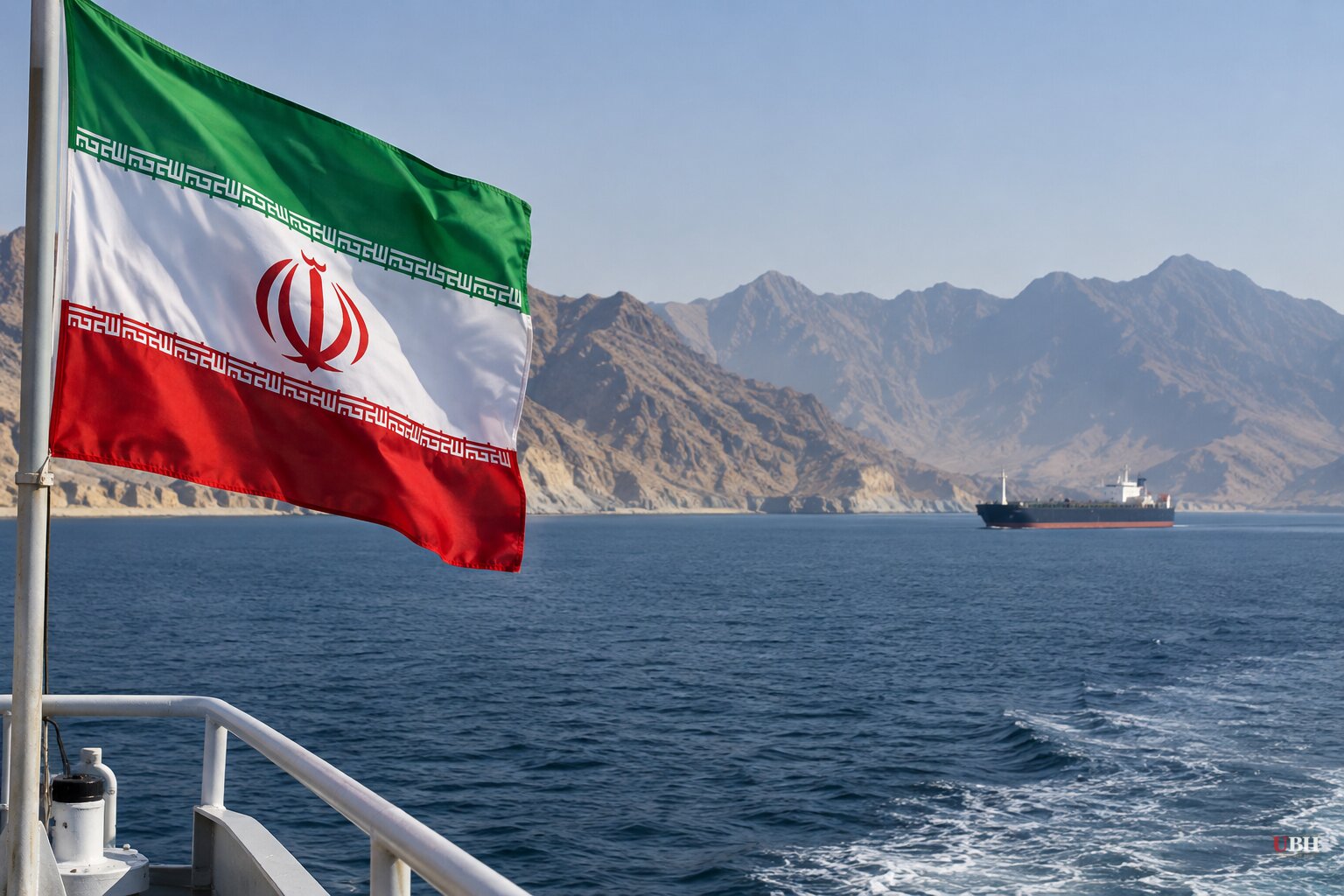
Since U.S. and Israeli strikes on Iran in late February started the war, Hormuz has been the pressure point, and this week's diplomacy has not moved it. Qatar's message on Tuesday, Oct. 27, was that Tehran has to make the first visible gesture.
"We have heard positive statements from the Iranian side on this issue, but they still need to show goodwill," Ibrahim bin Sultan Al Hashmi, director of the Qatari Foreign Ministry's Media and Communication Department, told a weekly briefing in Doha. He said Iran should stop threats against Arab Gulf states and open the strait.
Al Hashmi announced no breakthrough. Asked whether a Qatari delegation had carried a new proposal to Tehran, he said only that messages and ideas were still being exchanged with both sides. "The mediator always holds on to this window of hope," he said.
Monday's meeting in Tehran
On Monday, Saudi Defense Minister Prince Khalid bin Salman, Pakistani army chief Field Marshal Asim Munir and Turkish intelligence chief Ibrahim Kalin met Iranian President Masoud Pezeshkian in Tehran. Mohsen Rezaei, secretary of Iran's Supreme National Security Council, also took part.
The three countries signed the Mecca mutual defense pact in August. A joint statement said the four countries agreed to keep talking about regional peace and security. It contained nothing beyond that.
Saudi Arabia's Foreign Ministry said the mission was meant to "de-escalate tensions between the parties to the current crisis" and to back Qatari and Pakistani mediation. Al Hashmi said Qatar and its Gulf neighbors are ready to join a regional security framework built on respect for sovereignty and a pledge not to attack one another.
The visit came as Yemen's Iran-backed Houthis kept attacking Saudi Arabia. Egypt's parliament on Monday authorized military support to help defend the kingdom.
What the mediators are reportedly offering
The New York Times reported that Qatari mediators, working in coordination with Washington, proposed a five-day framework of reciprocal steps. Iran would reopen Hormuz to commercial shipping while the U.S. lifted its naval blockade of Iranian ports. Mediators would also press Tehran for an initial concession on its nuclear program. Qatar has not confirmed those terms.
The sequencing is the problem. Tehran wants the blockade lifted and sanctions on its oil exports removed before it discusses nuclear issues. Washington wants Iran to reduce enrichment.
Iranian officials have shown no sign of bending on the nuclear point. Last week Rezaei said "not a single particle of enriched nuclear material" would leave Iran.
Competing claims over the strait
Iran's armed forces chief said Monday that Tehran has complete control of Hormuz and that ships may transit only under Iranian regulations. U.S. Central Command said Sunday that American forces had helped more than 3,000 merchant vessels navigate the strait over the preceding six months.
Both cannot be the full picture of who governs traffic there. What is undisputed is that Iranian restrictions and the U.S. blockade have severely disrupted shipping through a key route for Gulf oil.
Iran's position, as stated by its officials, is that the blockade is the aggressor act and that sanctions relief must come first. Qatar's position is that Iran's threats against its neighbors and its restrictions on the strait are what prevent talks from advancing. Neither side has publicly moved off its stated condition.
Threats on the table
The diplomacy is running alongside explicit threats of more fighting. President Donald Trump said Friday that the U.S. may strike Iran again. Iranian security officials told Reuters that Tehran has drawn up detailed plans to attack Gulf undersea cables if the U.S. and Israel strike again.
Those cables carry data and communications for Gulf states, including several of the countries now mediating. That gives them a direct stake in keeping the talks alive.
Qatar's emir, Sheikh Tamim bin Hamad Al Thani, was in Moscow on Tuesday and said Doha relies on Russia to help resolve the Hormuz crisis. Russian President Vladimir Putin said the Islamabad memorandum, signed in June with Qatari and Pakistani mediation, remains an important basis for U.S.-Iran negotiations.
It is unclear whether Washington or Tehran will take the first step. With Trump publicly floating new strikes and Iran drawing up retaliation plans, the mediators have offered no timeline for either.
Sources used for this briefing
7 links from 6 independent newsrooms (syndicated copies of the same report count once)
These are the sources it draws on, linked so you can verify.


