
Unbiased headlines. Facts, not spin.
Unbiased Headlines is an independently owned news organization. We bring you the facts, not opinions, written fresh from 110+ named sources. Sources linked so you can verify it yourself.
 defense
Major Story (7/10)
US Military Says Eastern Pacific Boat Strike Killed Five, Campaign Toll Now Near 240
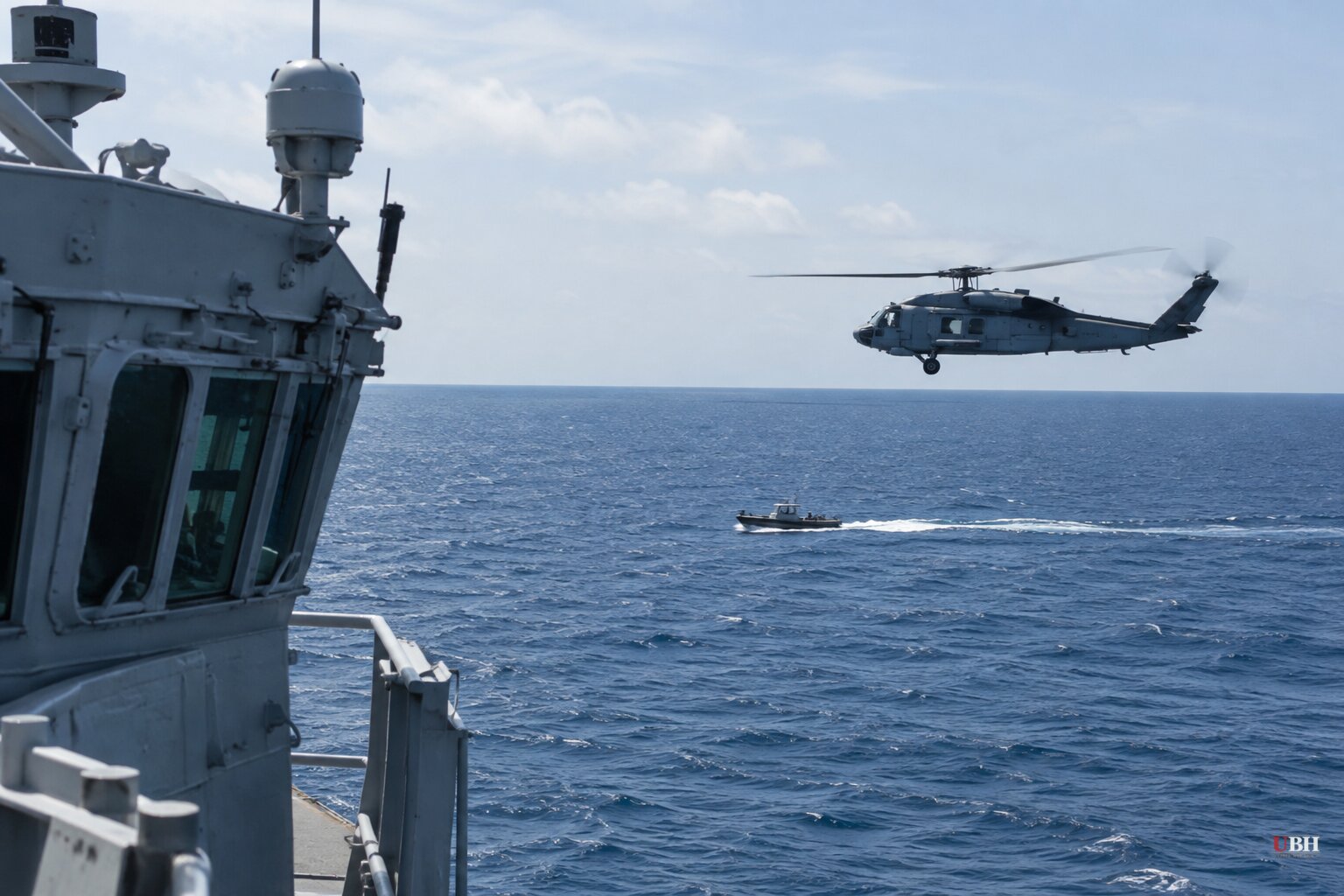
The U.S. military said it killed five people today, Oct. 27, in a strike on a boat it accuses of smuggling drugs in the eastern Pacific Ocean.
U.S. Southern Command described the operation in a social media post. "Under the direction of SOUTHCOM, Joint Task Force Western Hemisphere executed a lethal, kinetic strike on a go-fast vessel operating along established narco-trafficking routes in the Eastern Pacific," it said. "Confirmed intelligence revealed the vessel's active involvement in narco-trafficking. The operation killed five narco-terrorists."
A video posted on X shows a small boat in open water before it is engulfed in an explosion. The military has not released evidence that the vessel was carrying drugs.
The running count
The Trump administration began striking suspected traffickers in September 2025. Associated Press tallies put the toll at no fewer than 240 dead across more than 70 strikes.
The Washington Office on Latin America, a U.S. research group that tracks the campaign, counted 238 dead in 68 reported strikes before today. Adding today's five brings its total to 243.
The pace has slowed. "This is the 6th lethal boat strike in the past 4 months," WOLA analyst Adam Isacson wrote after the announcement. He said the administration and its commanders "persist" in the campaign despite the slowdown.
What the administration says
President Trump says the United States is in "armed conflict" with Latin American cartels. He has defended the strikes as a necessary escalation to stop drugs from reaching the country and to cut fatal overdoses.
The administration has designated a number of Latin American criminal groups as foreign terrorist organizations. It calls the people on the boats "narcoterrorists." SOUTHCOM's statements say the boats were hit along known smuggling routes on the strength of intelligence. The details of that intelligence have not been made public.
What critics say
Legal scholars and rights groups call the strikes extrajudicial killings. Their argument: drug trafficking is a crime, the people on the boats did not pose an immediate threat to the United States, and military force is not a permitted response to a criminal offense. Legal experts also reject the terrorism framing.
Some Democratic lawmakers and military legal scholars have pressed the issue. Relatives of some of the dead have said their loved ones were fishermen or workers with no ties to the drug trade. Those claims are the families' own and have not been tested publicly, but neither has the government's case.
There is also a question about whether the strikes hit the right target. Much of the fentanyl behind American overdose deaths is typically smuggled overland from Mexico. It is produced there with chemicals imported from China and India. That is the basis for critics' doubts about the campaign's effectiveness.
Rubio's shift, with a caveat
Secretary of State Marco Rubio pledged in September to seek the approval of regional allies before carrying out such strikes. He said the U.S. has "the capacity to act unilaterally" but that working with partners is "the most effective way to do it."
He made those remarks in Peru. They looked like a change in approach. Rubio also said the U.S. military would "still blow up ships if need be" and that each case would be "a strike-by-strike or operation-by-operation determination." Today's strike is among a few that have followed that pledge. The administration has not said whether any ally approved this one.
Oversight so far
The Pentagon's inspector general said in May that it plans to examine whether the military followed an established targeting framework in these operations. That framework covers a commander's intent, target development and execution.
The evaluation will not examine whether the strikes are legal. No court has ruled on the campaign, and the military has not said how it verifies who is aboard a vessel before firing.
The open questions are specific. SOUTHCOM has not said what the "confirmed intelligence" on today's boat consisted of. The identities of the five dead have not been released. And the inspector general's review, by design, leaves the legal dispute to someone else.
Sources used for this briefing
8 links from 7 independent newsrooms (syndicated copies of the same report count once)
These are the sources it draws on, linked so you can verify.


