
Original briefings. Zero spin.
Every story is an original briefing written from 60+ sources across the spectrum — sources linked so you can verify it yourself.
 economy
Low Interest (4/10)
June 21, 2026 at 06:07 AM
economy
Low Interest (4/10)
June 21, 2026 at 06:07 AM
NBER Study Links iPhone's 2007 Launch to Measurable Drop in U.S. Birth Rates
What the Research Actually Says
A National Bureau of Economic Research working paper by economists Caitlin K. Myers and Ezekiel Hooper argues that the iPhone's arrival in June 2007 measurably deepened America's ongoing fertility decline. The paper's title is direct: "Is the iPhone Birth Control? Causal Evidence from AT&T's 2007–2011 Carrier Monopoly."
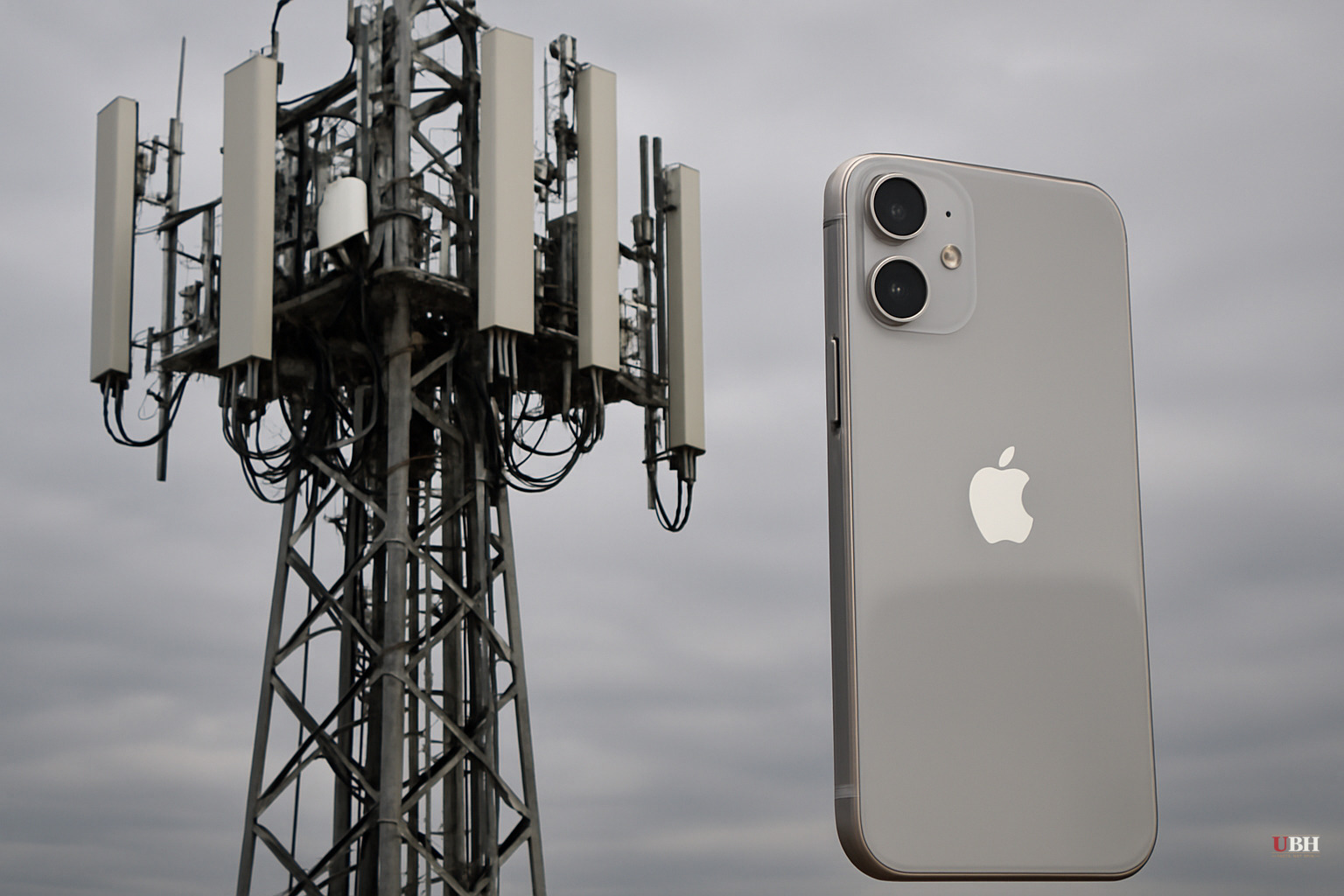
The key methodological hook is Apple's exclusive AT&T deal, which ran from the iPhone's launch until February 2011. Because early iPhone access varied by geography depending on AT&T network coverage, Myers and Hooper could compare birth-rate trends in high-access areas against low-access areas, creating a quasi-experimental comparison that avoids some of the standard confounding problems in observational research. Elise Winland at Zeale News summarized the setup clearly, and the logic is sound: if you can show that areas with earlier, denser iPhone penetration saw steeper fertility declines than otherwise similar areas, you have evidence that goes beyond correlation.
The source for this coverage is a ZeroHedge column by Thaddeus G. McCotter, reprinted from American Greatness. Both outlets sit well to the right. McCotter uses the research to argue a broad civilizational-decline thesis. The underlying NBER paper, however, is an economic study, not a culture-war document. The distinction is worth keeping.
The Pre-Existing Decline Problem
U.S. fertility was already trending downward before the iPhone existed. Rising educational attainment, women entering the workforce in larger numbers, increasing housing costs, delayed marriage — all of these were documented drivers of lower birth rates long before the iPhone launched in June 2007. The researchers themselves acknowledge that the nation's record low birth rate of 53.1 births per 1,000 women ages 15 to 44 cannot be fully explained by common explanations such as the Great Recession, increased access to contraception, rising housing and childcare costs, and delayed marriage.
A reasonable critic would say the iPhone was one variable landing on top of a pre-loaded trend, not the cause. Myers and Hooper's natural experiment is designed to address exactly this objection. Their comparison groups should have shared those underlying trends. Whether the study fully rules out confounding factors that tracked AT&T's coverage footprint independently of smartphone adoption is a question the broader academic community has not yet weighed in on. NBER working papers are circulated for comment before peer-reviewed publication, so this one has not cleared that final bar.
What the Numbers Show
The ZeroHedge/American Greatness piece does not quote all of the study's specific coefficient estimates, but it does reproduce several key figures. Myers and Hooper argue that "the diffusion of the iPhone explains 33–52% of the decline in the general fertility rate among women aged 15–44." They further estimate that "access to the iPhone reduced births by 4.5–8.0% at ages 15–19 and 3.2–6.6% at ages 20–24, with statistically significant but smaller declines among older cohorts."
The researchers cite the overall U.S. birth rate as having dropped by 22 percent since 2007. No single factor explains a decline of that magnitude. Smartphones are, according to Myers and Hooper, plausibly one of several contributing forces — but a substantial one.
Why the Mechanism Matters
The study's value is not in confirming that iPhones directly cause fewer babies. The causal chain is more indirect. According to Myers and Hooper, national-survey evidence on time use and sexual behavior is consistent with the iPhone reducing in-person interactions, increasing pornography use, and reducing sexual frequency. Smartphones restructured how people spend discretionary time and how they form and maintain relationships. It is worth noting, as the researchers do, that the iPhone had a measurable impact on reducing teen pregnancies — but the enduring effects stemming from reduced social interaction raise longer-term concerns about family formation.
The conservative read is that smartphones accelerated atomization and delayed or discouraged family formation. A progressive read would emphasize that smartphone access also expanded access to contraception information, reproductive health services, and economic opportunities for women — outcomes many would frame as positive even if they reduce birth rates. Both observations can be simultaneously true.
What Comes Next
The Myers-Hooper paper is a working paper as of this writing, meaning peer review is still ahead of it. Whether the estimates survive scrutiny, particularly whether the AT&T coverage instrument is truly exogenous to local fertility trends, will determine how much weight policymakers and demographers assign to it. If the findings hold, they add quantitative weight to the argument that screen-time policy, social media regulation, and smartphone design norms are not just cultural preferences but demographic variables with measurable consequences for national population trajectories.
Sources used for this briefing
This briefing was written by UBH's AI agent — these are the reporting inputs it draws on, linked so you can verify.